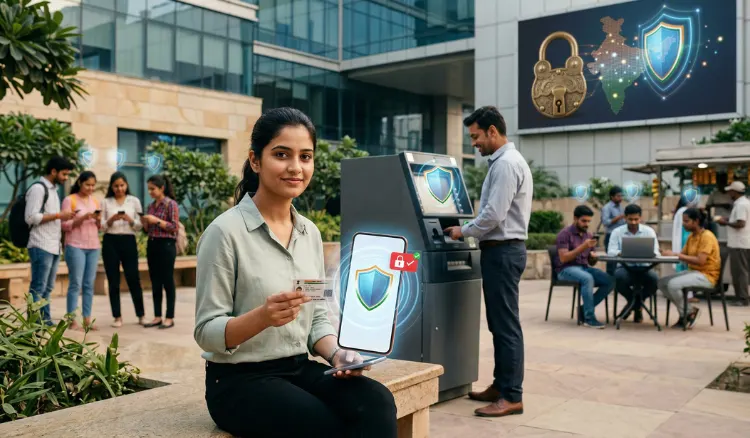
You ever worry about someone breaking into your house? Now swap your front door with your email, bank info, or that social feed you scroll before bed. That's what cyber security islocking up the stuff you care about in the digital world. Most people hear "cyber security basics" and think it's too complicated or not their problem. But hackers don't care how tech-savvy you are; they chase the easy wins. Stick around and you'll learn how to make your digital front door a whole lot tougher to bust openwithout feeling like you need a degree in computer science.
What Are the Basics of Cyber Security?
Let's strip it back. Cyber security basics are the simple things you do to stop people from snooping, stealing, or messing with your stuff online. If you use a computer, phone, or even a smart fridge, this is for you. You're not expected to build a firewall from scratch. The basics are small habits that make a massive difference.
- Use strong, unique passwords for every account
- Turn on two-factor authentication wherever you can
- Keep your software and apps updated
- Don't click weird links or open random attachments
- Double-check privacy settings on social media
Why does this matter? Because bad guys take the path of least resistance. If your stuff's locked up better than the next person's, they'll probably move along.
Why Are Passwords Still So Important?
It's wild, but a lot of people use "123456" or their pet's name for everything. Hackers love this. Your password is basically the key to your online world. Make it easy, and it's like leaving the front door wide open. Keep the key strong and unique, and it's a different story. Use passphrasesthink sentences with symbols and numbersand avoid repeats. A password manager can help juggle them (seriously, no one remembers all of them, not even the pros).
How Can You Spot a Phishing Scam?
Phishing sounds like something you do on the weekend. It's the art of tricking you into giving up info by pretending to be someone you trustbank, boss, even your kid's school. You get an urgent email or text: "Click this link or your account gets locked!" Doesn't matter how smart you are, fear works on everyone. Slow down. If something feels offa weird email address, strange links, or bad grammardon't click. Go straight to the real site or call the real company to check.
Why Do Software Updates Matter for Cyber Security?
Updates are like putting up stronger locks after someone points out weak spots in your door. Software is never perfect. Updates patch holes that hackers could crawl through. Yeah, those pop-ups are annoying, but ignoring them gives cyber criminals more time to sneak in. Schedule updates or turn on auto-update if you can. It's one of the easiest "cyber security tips" you can follow.
What Are Some Good Cyber Security Habits for Everyday Life?
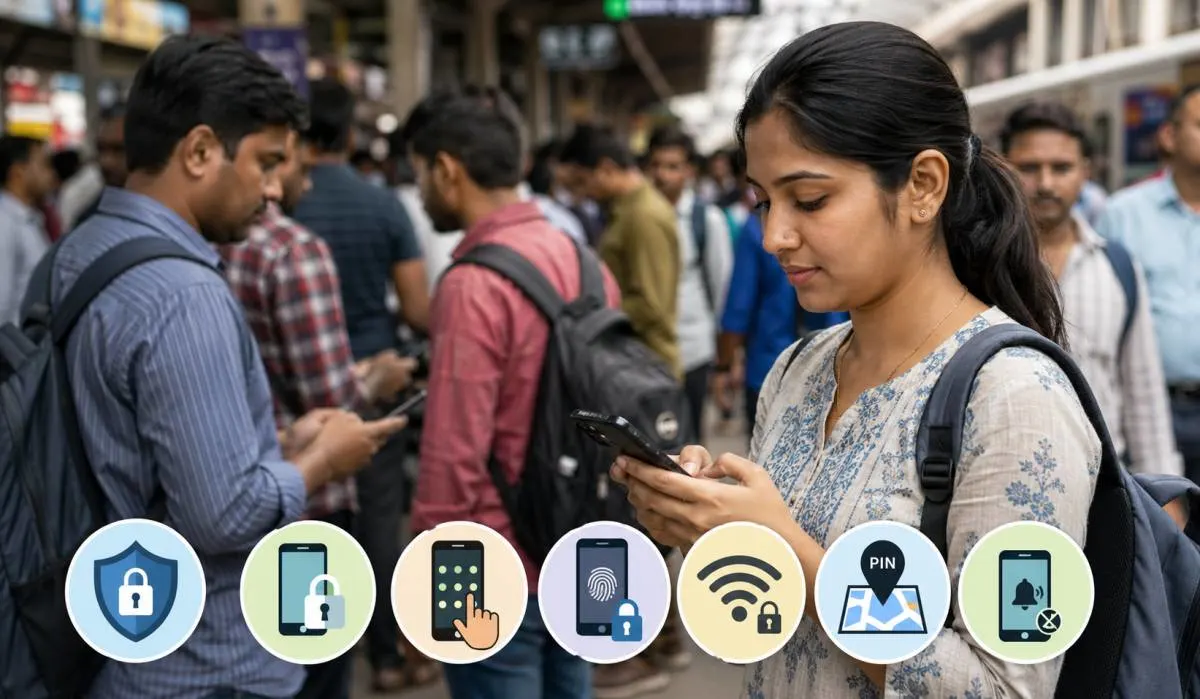
- Lock your phone and devices with a code or biometrics
- Back up your datacloud, hard drive, whatever works for you
- Be picky about public Wi-Fi (don't bank on it or check private stuff)
- Log out of accounts when you're done, especially on shared devices
Like brushing your teeth, these good habits keep you safe long-term. Miss a day? No big deal. Ignore them completely, and you'll pay for it down the line.
Common Mistakes That Make You Easy to Hack
- Using the same password everywhere
- Leaving devices unlocked in public places
- Sharing everything on social media (birthday, pet names, etc.)
- Not checking if a site is real before entering info
- Trusting pop-ups that say you "won" something
We've all done some of these. The key is fixing them as soon as you spot them.
How Do You Protect Your Data When Using Public Wi-Fi?
Coffee shop Wi-Fi is convenient but risky. Anyone on the same network could peek at what you're doing. If you need to use public Wi-Fi, avoid logging into important accounts (like banks or work email). If you must, consider a VPNit's like a tunnel that hides your info. And always turn off file sharing. It's one of those "cyber security best practices" people hear about but rarely actually useuntil something goes wrong.
How to Set Up Two-Factor Authentication (2FA) Easily
2FA sounds fancy, but it's just adding a second lock to your digital doors. Besides your password, you need a one-time code from your phone or an app. Most sites make it easy to turn on in account settings. Yes, it's an extra step. But those five extra seconds are worth it if someone tries to break in.
Why Backups Are Your Secret Weapon for Digital Security
No one thinks about backups until it's too late. Hard drive fails, phone gets lost, or malware erases your photosall gone without a backup. You don't need to do this daily. Once a week, copy important stuff to the cloud or an external drive. That one tip could save your digital life after a disaster.
FAQs About Cyber Security Basics
- What's the easiest way to start improving my cyber security?
Start with your passwords. Change the biggest onesemail, bank, social mediato something strong and unique. That's the fastest win for better online safety. - How do I know if a website is safe?
Look for a padlock symbol near the web address, and see if it starts with "https" (the s means secure). If something feels off or you get weird pop-ups, close the tab. Better to be safe. - Are password managers safe to use?
Yes, they're made to protect your passwords with strong encryption. Pick a well-known one, set a strong master password, and you've taken a big step toward digital security. - What should I do if I think I've been hacked?
Change your passwords right away, especially for email and banking. Check your accounts for anything weird. Let your friends or bank know if you spot anything suspicious. - Is it bad to use public Wi-Fi for shopping or banking?
It's risky. Public Wi-Fi can let others see what you're doing. Try to use your phone's data or wait until you're on a private network. If you must, use a VPN to protect your data. - Should kids learn about cyber security basics?
Absolutely. Teach them not to share personal info, click unknown links, or talk to strangers online. Start with simple rules, and explain why they're important in ways they understand.
Here's the bottom line: You don't need to become a tech genius to keep your online life safe. Start with these basics. Fix one thing todayupdate your passwords, set up 2FA, or finally do that backup. Give yourself some credit for every small step. Your future self (and your data) will thank you for it.