Your phone gets a weird text. Your laptop starts acting up. Or you hear about another huge data breach on the news. If stuff like this freaks you out, you're not alone. Understanding cybersecurity basics can help you sleep better at night. You don't need to be a tech whizjust a few simple habits will lock down your digital life.
What is Cybersecurity, Really?
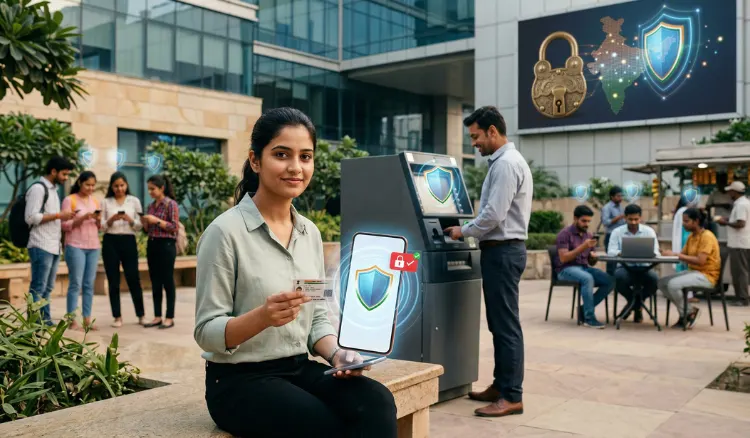
Cybersecurity is all about keeping your information safe from people who shouldn't see it. It's kind of like having locks on your front door, but for your phone, laptop, and online accounts. At its core, it's protecting stuff like passwords, photos, and even your bank info.
- Digital security keeps your devices protected
- Online safety is about safe choices on the internet
- Data security means making sure your stuff stays private
Why does it matter? Because hackers and scammers are getting smarter every day. And honestly, they count on people not paying attention. That's why learning some basics can make you a tough target.
Which Cyber Threats Are Most Common?
If you don't know what to look for, it's easy to get caught up in a scam or click something you shouldn't. Here's what most people run into:
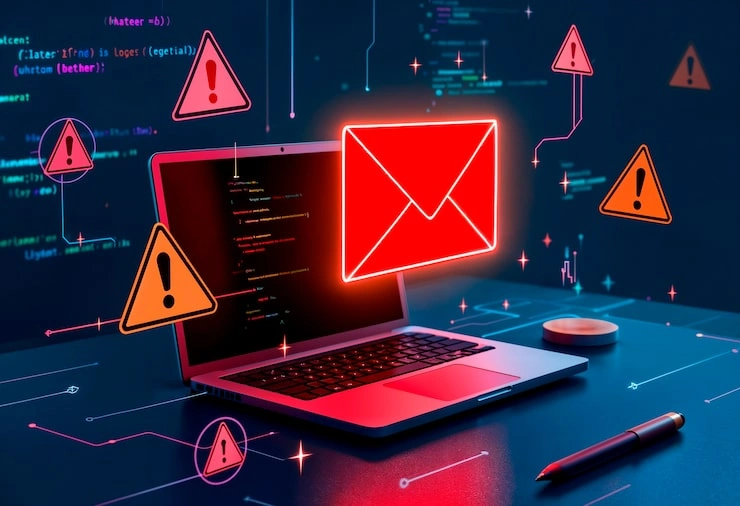
- Phishing: Fake messages that trick you into giving up info
- Malware: Bad software that sneaks onto your device
- Weak passwords: Easy-to-guess logins that leave your stuff open
- Public Wi-Fi dangers: Hackers can snoop if you connect at a coffee shop
The trick is, these things often look harmless at first. A link that looks like it came from your bank. A free app that promises cool features. If something feels off, trust your gut and double-check.
How Can You Build Good Cybersecurity Habits Fast?
Honestly, you can make a huge difference in a week if you tackle the basics. Here are simple moves that build strong cyber defense:
- Create strong passwords: Use sentences or a mix of words and numbersavoid pet names and birthdays
- Turn on two-factor authentication: Add that extra step when you log in (like a code to your phone)
- Update your devices: Keep your phone and computer software up to dateit patches holes hackers look for
- Be suspicious of strange links and attachments: If you're not expecting it, don't click
Each step makes life harder for hackers. Will it be annoying to set up? Sometimes. But it's way less annoying than trying to recover from a cyber attack.
Why Is Public Wi-Fi Risky, and What Can You Do?
Sitting at a coffee shop and connecting to free Wi-Fi feels normal, but it's risky. When you're on public internet, other people nearby can sometimes read what you're sending (like passwords or credit card numbers).
- Stick to websites that start with https (the little lock icon in your browser)
- Don't check your bank account or do online shopping while on public Wi-Fi
- Use your phone's mobile data for anything private if you can
Is it a pain? Yes. But avoiding surprises like hacked accounts is worth it.
What Does a Good Password Look Like?
A good password is like a strong front door. It stops most people before they even try. Here's what works:
- Longer is betteraim for at least 12 characters
- Use random words, numbers, and symbols
- Avoid anything related to your name, pets, or favorite teams
- Don't reuse the same password everywhere
If keeping track of passwords sounds impossible, password manager apps can help. They create and remember tough passwords for you. The first time I tried one, I thought it was too much work. A year later, I can't imagine going back.
How Do You Spot a Scam or Phishing Attempt?
Scammers work hard to make fake messages look real. But there are tells:
- They'll say there's a problem and you have to act fast
- Links are close but not exact (look for weird spellings or extra dots)
- They want personal or banking info right away
- Something feels offtrust your gut
If you get an email that's suspicious, don't click anything. Go straight to the website or app yourself and log in the normal way.
What Mistakes Do People Make Most Often?
Most cyber headaches happen because people skip the boring stuff:
- They use "password123" or reuse the same password for everything
- They don't bother to update devices or apps
- They click random links without checking them
- They think "it won't happen to me"until it does
It's not about being perfect, just paying attention. Start with one new habit this week, then add another.
Why Does Cybersecurity Matter for Families?
Kids and parents both need internet protection. From online games to social media, everyone is a target. Set some family rules:
- Talk about what info should stay privatelike where you live or go to school
- Make it normal to ask for help if something weird pops up
- Remind everyone: not everything online is true or safe
Cybersecurity isn't just for adults. The earlier you start learning, the better protected you'll all be.
Ready to Secure Your Digital Life?
Learning cybersecurity basics isn't about being perfect or turning into a computer genius. It's about small habits that protect what matters. Pick one thing from this article and try it today. Change a password. Set up two-factor authentication. Talk to your family about staying safe. Your future self will be glad you did.
FAQ: All About Cybersecurity Basics
- Q: What's the easiest way to start with cybersecurity basics?
A: Change your most important password first, like your email or bank account. Make it long and unique. Then, turn on two-factor authentication if possible. These quick steps put you ahead of most people. - Q: How often should I update my passwords?
A: Aim to change passwords for important accounts every few months. If you hear about a data breach, update that password right away. Use a password manager so it's not a headache to keep track. - Q: Is antivirus software still important?
A: Yes, antivirus tools help catch bad stuff before it causes trouble. Many devices have free or built-in options that work well. Keep them updated and don't ignore alerts. - Q: Can hackers get my info from social media?
A: They sure can if you overshare. Don't post things like your address, school, or vacation plans. Check your privacy settings so only people you trust can see your info. - Q: What should I teach my kids about online safety?
A: Tell them to never share personal details, click on random links, or talk to strangers online. Encourage questions, and let them know it's safe to ask for help if something weird happens on the internet. - Q: Is it safe to use public Wi-Fi at airports or hotels?
A: It's risky, especially if you're logging into bank accounts or sensitive sites. Use your phone's data if you can, or wait until you have a private, secure connection.