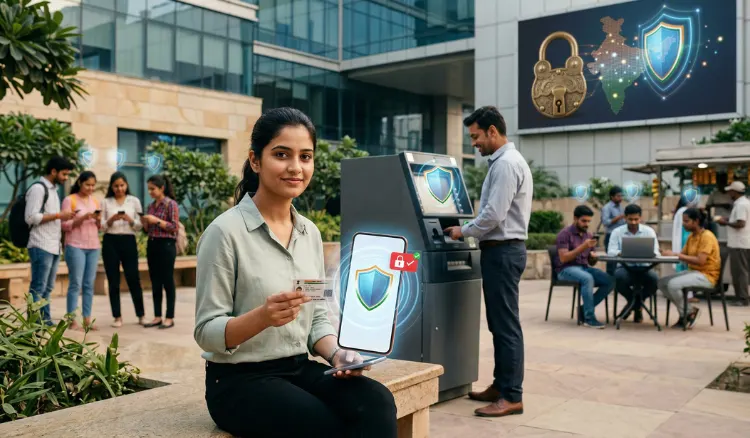
Your phone buzzes. An alert flashes: Suspicious login attempt. It feels like a gut punch, right? Most of us don't think about online securityuntil something weird happens. This cyber security guide is for regular people who don't have time to become tech experts but know it's time to get serious about protecting themselves. You'll pick up smart, simple habits that work. Let's make online safety easier.
How Bad Is the Cyber Threat, Really?
Cyber attacks might seem like something that happens to big companies, but regular people get targeted every day. Think about phishing emails, text scams, or someone hacking your Wi-Fi. Why care? Because one wrong click could cost you cash, your private info, or even your entire identity. Fixing the mess isn't fun or cheap.
- Hackers send billions of scam emails every year
- Weak passwords are like leaving your front door unlocked
- Public Wi-Fi can be a playground for data thieves
Panic isn't the answer. Getting smart is. Next up: What works, and what is just noise.
What Are the Basics Everyone Needs to Know?
You don't need to know every trick in the book. These core cyber security tips help almost everyone:
- Use strong passwords, never your dog's name or "password123"
- Turn on two-factor authentication for important accounts
- Update your softwareoutdated apps are hacker favorites
- Ignore or report weird emails and texts that don't seem right
- Back up your data, so you don't lose stuff if things go sideways
Why bother with updates and two-factor? Both turn a quick hack into hard work that most scammers won't bother with.
What Makes a Password Actually Safe?
A good password is long, makes no sense to anyone, and never gets reused. It's tempting to use birthdays or your pet's name. But that's like hiding your house key under the mat. Use a password manager. It's like a vault: one tough password for the app, and it stores the rest. You don't have to remember every single one.
- Long: 12 characters or more works best
- Mixed: Toss in numbers, symbols, and both upper and lowercase letters
- Dont repeat: One website, one password. Reusing them is risky
Password managers can seem scary at first, but you'll spend less time resetting passwords and worrying about hacks.
Are Smart Devices and Wi-Fi Safe?
Smart speakers, TVs, and cameras make life easy but create more ways for hackers to get in. Your Wi-Fi is the front gate. If it's weak, someone might sneak past without you knowing.
- Change the default Wi-Fi passwordskip what's on the sticker
- Name your Wi-Fi something boring (not your family's last name)
- Update your router's software (yes, it gets updates too!)
- Put smart devices on a "guest" network if you can
Keeping these basics in check will stop most lazy hackers cold. It's worth a few minutes to do it right.
Whats the Smart Way to Use Public Wi-Fi?
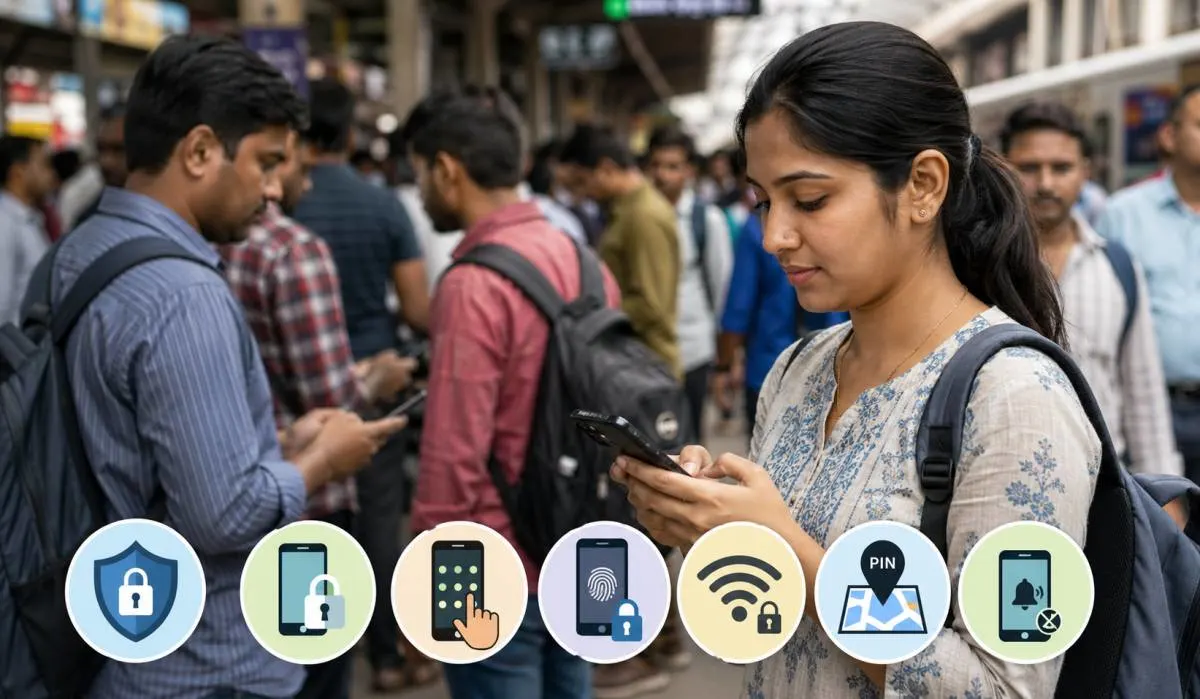
Public Wi-Fi in airports or coffee shops can be an open door for snooping or theft. It's risky, but sometimes you need it. What now? Here's what works:
- Avoid logging into banks or shopping with saved cards on public Wi-Fi
- Use your phone's data instead if you can
- If you have to use public networks, a VPN helps scramble your info
- Log out of accounts when done, and don't save passwords on shared devices
Even if you forget once or twice, doing this most times will save you major headaches.
How Can You Spot a Scam Email or Fake Link?
Scam emails aren't always obvioussome look like they're from your bank or a favorite store. Slow down before you click anything.
- Check email addressesdo they have weird spellings?
- Watch for generic greetings like "Dear user"
- Hover over links before clicking; look for odd or misspelled websites
- If it asks for money or urgent action, double-check directly with the company
It's better to pause and check than regret a click. When in doubt, delete or ask a friend.
How Do You Keep Your Social Media Safe?
Most of us share a lot onlinesometimes a little too much. Social media accounts can be prime targets for hacks and scams. Start by locking down your privacy settings. Set profiles to "friends only" or private, not public. Watch what you share: birthdays, schools, or pet names can be clues for hackers.
- Dont share your main email or phone number on your profile
- Use different passwords for each account
- Turn on login alerts if your app offers them
- Remember to log out on shared computers and phones
A little caution goes a long way in protecting friendsand your own reputationtoo.
What to Do If You Think You've Been Hacked?
If something feels offlike weird posts, new logins, or locked accountsact fast. Heres your action plan:
- Change your password right away, especially for affected accounts
- Turn on two-factor authentication if its not set already
- Scan for malware with trusted software
- Notify your bank if sensitive accounts might be compromised
- Tell your friends so they don't fall for fake messages from you
Panic is normal, but speed helps minimize the damage. Most companies will help you reset or undo hacksjust ask.
FAQs About Simple Cyber Security
- Q: What's the easiest online security move I can do right now?
A: Change your main email and bank account passwords to strong, unique ones. It takes a few minutes and makes things way harder for hackers. Then, add two-factor authentication. Both together block most attacks. - Q: Is antivirus still necessary or is that old advice?
A: Antivirus is still helpful, especially if you download stuff often or aren't sure whats safe. It catches most basic threats. Built-in tools are good, but a separate antivirus program gives a little extra safety for risky clicks or older devices. - Q: How often should I update my devices?
A: Update whenever you get a real promptnot just phones, but computers, tablets, and even smart gadgets. Most updates include important security fixes. Waiting too long gives hackers more chances to sneak in through known holes. - Q: What are the warning signs of a scam or phishing message?
A: Watch for spelling mistakes, pressure to act fast, and links to weird sites. If someone asks for personal info or payment out of the blue, it's usually a scam. Trust your gut, and check with the company another way if youre not sure. - Q: Do kids need their own cyber security plan?
A: Yes! Kids accounts are often easier to hack because they use weak passwords or overshare. Teach them the basics: strong passwords, privacy settings, and checking with an adult before clicking links or sharing details online. - Q: What if Im not techycan I really keep myself safe?
A: Absolutely. Most cyber security is just about smart habits. If you can lock your front door and spot a weird sales call, you can learn to spot digital risks, too. The tools do most of the heavy lifting for you these days.
Getting smart about online safety isn't about being perfect. It's about making a few key changes, staying alert, and not being afraid to ask for help. Set up your tools, check your habits, and move forward with confidence. Your future self will be glad you did.