Ever sat at home, fork in hand, wishing you could get on a plane and just eat your way through Italy? That's how it starts for most people dreaming about Tuscany culinary holidays. One day you're reading about handmade pasta, and suddenly you're booking a trip, hoping to taste something unforgettable. Here's what those holidays are really like—and what you'll actually remember once you're home.
What Makes Tuscany Culinary Holidays Different?
If you're picturing crowds, chain restaurants, or kitschy pizza tours, think again. Tuscany's food scene is all about little family spots hidden in hills, recipes handed down for generations, and meals that go on so long you lose track of time. On these holidays, food isn't a side note. It's the reason you travel in the first place.
- Most trips are small groups or even just you and a local guide. You won't feel lost in a crowd.
- Every meal is built around what grows nearby—think slow food before it was cool.
- You actually meet the people who make your cheese, bread, and wine. Not just snap a photo of their sign.
Tuscany culinary holidays matter because you stop being a tourist and start feeling like a guest. You see why olive oil from one tiny farm tastes like sunshine and why Tuscan bread never has salt (seriously, it doesn't). You don't just learn recipes—you get stories you'll tell forever.
How Do Tuscan Food Tours Really Work?
On a proper Tuscan food tour, you'll walk through picture-perfect towns, but the street snacks and smoky backyard kitchens steal the show. Food tours are about tasting, chatting, and laughing over bites you can't get anywhere else.
- Expect to taste extra virgin olive oil, Pecorino cheese, handmade salumi, and seasonal treats you've never heard of.
- Most guides grew up in these villages. They know which gelato stand is worth a stop (and which one is just for tourists).
- You'll try local specialties you can't order back home, like pici pasta with wild boar or grandma's secret soups.
The best part? No fancy dress code. Wear your walking shoes and bring your appetite. These food tours don't just show you Tuscany—they feed you the real thing.
What Happens in Cooking Classes in Tuscany?
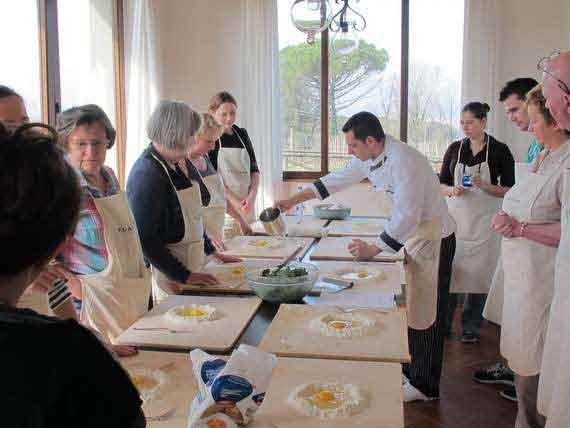
If you've never tried making pasta from scratch, be ready to get messy. Cooking classes in Tuscany go way beyond just following a recipe. You'll knead dough, pick herbs from the garden, and sometimes even chase chickens (don't worry, they're usually for the eggs).
- Classes are usually intimate—think a handful of travelers at a farmhouse kitchen table.
- Most tutors are home cooks, not celebrity chefs. They teach you the simple tricks their families use every day.
- You'll discover why the shape of your pasta matters (and why nonna will notice if you get it wrong).
It's fun, hands-on, and yeah, you get to eat everything you make. The catch? These classes aren't quick. If you're impatient, remind yourself: the messier your hands, the tastier the food.
Are Tuscany Wine Tours Worth It?
Ever heard of Chianti? That's Tuscany's pride and joy. But the region is packed with tiny vineyards most tourists never find. Tuscany wine tours let you sip straight from the source—sometimes with the person who picked the grapes.
- Wine tours range from famous estates to family-run cellars where grandma pours the tastings herself.
- You'll learn why Sangiovese grapes matter—and what makes Brunello so pricey.
- Pairings aren't just wine and cheese. Sometimes you get wild boar stew, honey, or olive oil on the side.
If you're not a wine expert, no worries. You just need to know whether you like the wine or not. Good tours explain things simply, without making you feel clueless. Watch out for overpacked tours that rush through tastings—those rarely leave a lasting memory.
What Should You Know About Local Cuisine in Tuscany?
Tuscan food is rustic. It's about grilling, slow-cooking, and letting fresh ingredients do the talking. Forget fancy sauces—every dish puts the spotlight on what came from the garden that day.
- Bread with no salt? It's a thing. Called pane toscano, locals use it to soak up rich sauces.
- Soup is king. You'll see ribollita (twice-cooked vegetable soup) and pappa al pomodoro (bread and tomato soup) everywhere.
- Meat lovers will find Florentine steak, wild boar, and roast pork. Vegetarians get plenty of love too—Tuscan vegetables are next-level.
If you try to recreate these dishes at home, they never taste the same. Blame it on the air, the oil, or just the magic of eating outside with friends. Either way, local cuisine Tuscany style is best experienced in person, sitting around a real Tuscan table.
What Surprises First-Timers During Tuscany Culinary Holidays?
Here's the truth: you won't eat pizza at every meal. And you'll probably finish your holiday loving something simple, like grilled bread with olive oil, more than any fancy feast.
- Breakfast is light—usually a pastry and coffee, not eggs and bacon.
- Lunch can be the main meal (don't skip it, especially on food tours).
- Dinners start late and can last hours. Slow down and enjoy it.
You might struggle with the language, get lost in winding streets, or spill wine on your only nice shirt. But those tiny mishaps are what you'll laugh about later. The food memories drown out everything else.
How Do You Plan Your Own Authentic Tuscan Culinary Trip?
It can feel overwhelming—so many towns, tours, and choices. Start simple: pick one or two things you have to try. Maybe it's a deep dive into Tuscan food tours or a few relaxed cooking classes in Tuscany. Leave space for exploring, getting lost, and saying yes to anything that smells good.
- Book tours and classes in advance for popular areas, but keep gaps in your plan for surprises.
- Stay in small towns if you want a slower pace and fewer crowds.
- Ask locals for their favorite food spots. You'll find hidden gems, not just what shows up in guidebooks.
Your best bet? Go hungry, stay curious, and try at least one thing every day that sounds a little weird.
FAQ: Your Big Questions on Tuscany Culinary Holidays
- What are the must-try authentic Tuscan dishes on these holidays?
Don't miss ribollita (vegetable and bread soup), pappa al pomodoro, Florentine T-bone steak, handmade pici pasta, and cantucci biscuits. Each one tells you something about Tuscany's history and what locals eat daily. Try them where they're made for the real experience. - Are Tuscany wine tours okay for beginners?
Yes! Most wine tours assume you don't know much. Guides explain what you're tasting and why certain areas are famous. You won't be judged—everyone's there to enjoy good wine and beautiful scenery. Bring your questions, even if they're basic. - Is it hard to book cooking classes in Tuscany?
It's getting easier every year, especially around popular towns. Book ahead if you have a specific date or type of class in mind. Some classes are full-day, others half-day. Pick what fits your travel style, and always check reviews. - What's the best time of year for Tuscany culinary holidays?
April to June and September to early November are great. The weather isn't too hot, fresh produce is everywhere, and the crowds thin out a little. Each season brings different foods—spring for artichokes and peas, fall for truffles and wild mushrooms. - How much should I budget for food tours and experiences?
It varies, but most food tours and cooking classes range from affordable to splurge-worthy. Expect to pay more for small-group or private experiences, especially in popular spots. Set aside some extra cash for spontaneous treats you discover along the way. - Can I do Tuscany culinary holidays even if I don't speak Italian?
Absolutely. Most tours are in English, and people are used to visitors. Learning a few basic phrases helps, but locals appreciate any effort. A smile and enthusiasm for the food go a long way!
Bottom line: Tuscany culinary holidays are about more than great food. They're about feeling at home, finding hidden flavors, and collecting stories with every bite. No two trips are ever the same. That's the real secret to why people keep going back.