Experienced travellers think about travel money calmly. They do not act impulsively or feel as if they must splurge because they are traveling. They eventually develop a sense of understanding that it is not smart to let travel time be marred by concerns about money. They understand how many trips they could ruin with one big splurge. They already know what it is to balance, to spend on what really matters, to skip on wastages, to think before paying.
They develop this thinking as they become more experienced. They take great pleasure from travels because they are not constantly reminded of money concerns. It is this composed thinking attitude which is one of the reasons why they do not overspend.
Planning in advance to save costs on Ttrip
Seasoned travellers plan before embarking on a journey. They do not wait until the very end before traveling. Seasoned travellers have time to compare rates, observe airfares on different dates, analyse hotels that are located in different areas, and learn different modes of transport in the new place. Seasoned travellers avoid unforeseen expenditure, which can cause overspending.
Once they have plans, they will avoid overspending and their anxiety will reduce. Travelers when under stress, have a tendency to overspend regarding expenditure on travel or whatever they were doing.
You may also read :- What Frequent Travelers Know About Managing Travel Costs
Taking a Clear and Truthful Budget
Planning is like having a low-key scope for skilled travellers. Budgets aren’t something that feels hard and limiting. Budgets are something that feels like help. They carve money into easy chunks: travel, accommodation, food, fun stuff, little goodies, and a pinch of emergency fun.
There is no sudden surge of worry. They simply back off if the spending goes too quickly. They make changes gradually, keeping the fun of the trip. A practical budget does not squash fun. It keeps fun. Travelers feel more liberated because they are always aware of their financial position.
Experiential vs. Material Gifts
Experienced travellers cherish experiences over products. They are aware that purchases are not responsible for creating long-lasting experiences. They are on the lookout for experiences that etch themselves inside their hearts—the experience of a silent walk on the streets of a new place, a conversation with locals, or the observation of the sunset at a designated spot.
Very often, these experiences don’t cost much, or they cost nothing at all. When an experience comes at some cost, only after careful consideration are expensive experiences like crowded places ruled out for no-fuss activities that are full of meaning.
Steer Clear of Tourist Traps
Touristy areas mean higher prices. The expert traveller recognizes this easily. They avoid eateries with lots of pictorial menus and vendors located close to popular tourist attractions. Prices decrease a few minutes away. This is where quality may increase as well. Neighbourhood eateries give off a homey atmosphere; everything appears more authentic.
Even the dishes are more authentic too. Customer service appears forthcoming as well. Selecting this option helps turn each day of the trip into a savings experience.
Staying Open to Change on the Road
The advantage of flexibility is that it saves dollars. Experienced travellers don’t close all doors in a rigid fashion. They reserve some room for the unexpected. They realize that if something, such as an event for instance, appears costly, they forgo it. They adjust accordingly if the means of transportation change by opting for the cheaper alternatives. The flexibility prevents undue strain and thus avoids actions that result from impulse and haste.
Eating Smrt Without Losing Enjoyment
Travel is as much a function of food as it is of destinations. Travel can also empty the wallet. Experienced travellers do it all in a balanced way with respect to the consumption of food. Travelers do not treat themselves to fine dining every day of the week and month. Street foods, visits to bakeries, and local restaurants get equal attention. Sometimes it is plain, and at times it is a treat in the true sense of the word.
Local Transportation and Walking More
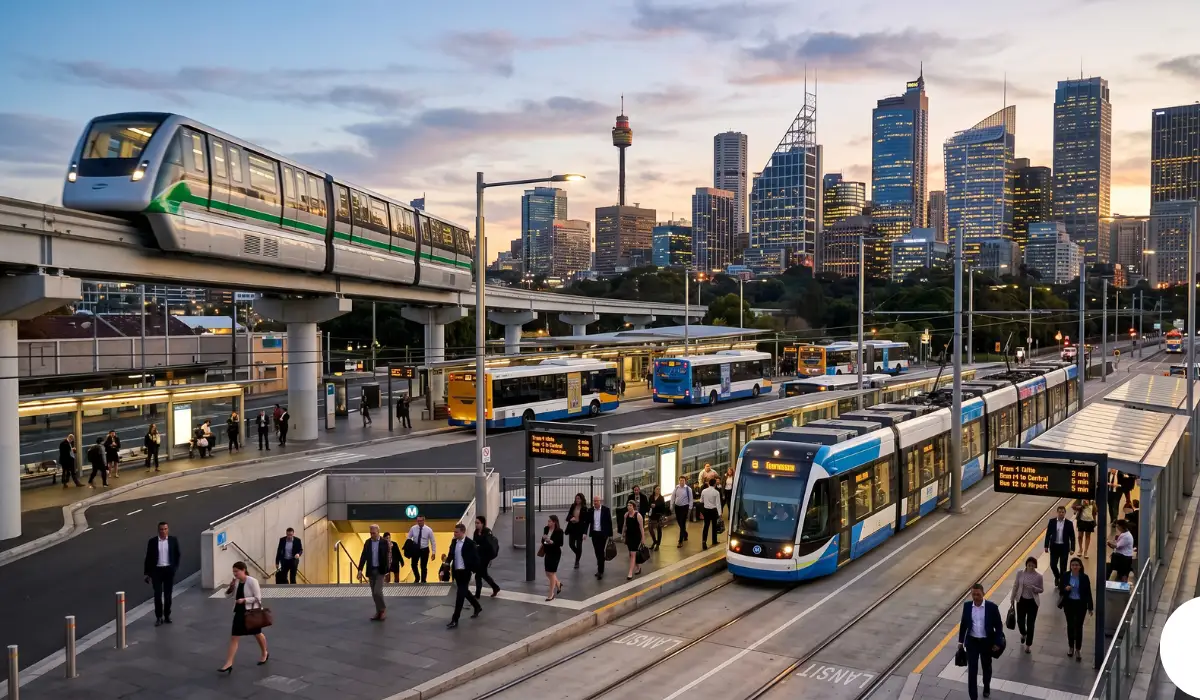
Costs of transport accumulate quickly. Veteran travellers rely on public transport, buses, and trains. It is relatively cheaper than taking taxis. They also walk extensively. Walking cuts costs and adds to the quest of traveling. It inspires slower movement, noticing tiny details, and joins travellers to the land they are go to.
Watching Spending Without Stress
Experienced travellers are always watching their money. They’re not fixated on every penny, but they balance their accounts every day. This helps them make the necessary adjustments. When they notice their spending goes over budget, they begin to travel more frugally in the remaining days. This keeps them safe from nasty surprises in the end. Letting awareness take the place of control keeps the stress levels low.
Saying No to Extra Costs That Do Not Matter
Many traveling expenses are included of tiny raises: "upgrading to seating," enticements to pay for more of what you now are paying for in your roving package. "Take this expensive guided tour you won’t be glad you didn’t." Skilled travellers think about these offers and wonder if they really add to joy.
Learning from Travel Mistakes That Teach
Every traveller has to begin by making some rookie errors. Wastefulness occurs. But over the years, experienced travellers realize their luxury folly and avoid repeating it in the future by remembering the skill in their memory and avoiding those overspending activities. Years go by, and their expenditures become brainier.
Staying Cool When Things Go Wrong
There will always be some sort of hiccup on travel days. Delays, weather issues, mistakes in hotel bookings – the works. Panic nearly always pushes you towards making classy decisions. Expert travellers are the calm in the storm. They take a deep sniff, analyse the state, and come up with easy keys.
Accessing Patter Rewards and Rebates with Care
Skilled travellers rely on reward plans: airline points, hotel posts, travel reward cards. All the benefits add up to minimize expenses in the long run. By taking gain of travel rewards programs, one gets the opportunity to travel often without lavishness. Reward programs include learning how to make the most of them.
Not Treating Travel Like a Competition
A skilled traveller does not make trips based on someone else’s size. Such travellers do not seek status for the drives of taking selfies. They travel for their personal fun. This approach takes away any burden, maintains the cheap in balance, and also infuses ease into traveling. Absent pressure means budgets remain in balance when traveling.
Conclusion
With experience, lavishness of course fades. Planning ahead, being adaptable, and making purposeful spending a habit just turn out to be what you do naturally. The pressure lifts, and each experience of travel underwrites to a healthy budget. The skill of travel just gets easier and more satisfying. Anyone can do this it just requires a certain amount of skill and credit, and smart travel spending becomes a very instinctual behaviour.
FAQs
Why do skilled travellers tend to pay less when wandering?
Because they remain unflappable while staying smart about budgeting. They don’t rush choices, nor do they understand where money usually flows away. Slowly, they learn what really stuffs most when it comes to adding value while roving. They evade the trap of tourist activities when it comes to experience over solid goods purchase. That facts helps money stay as future and enjoyable while staying frugal.
Do experienced travellers have a fixed travel budget?
It’s hard to say that they do. They live on a lithe budget that they are able to guess how much they want to spend on it. They divide it all into just very simple categories including stay, food, and carriage giving it a sense of direction without any pressure.
Explain how early planning reduces travel expenses?
Also, there are more choices to choose from if planning happens in fee. Flights and housings are cheaper if reserved in advance. In adding, it evades trade with stress at the end of training, which can rise costs. When you have info about where you will stay and how you will move about, your choices will be up-to-date.