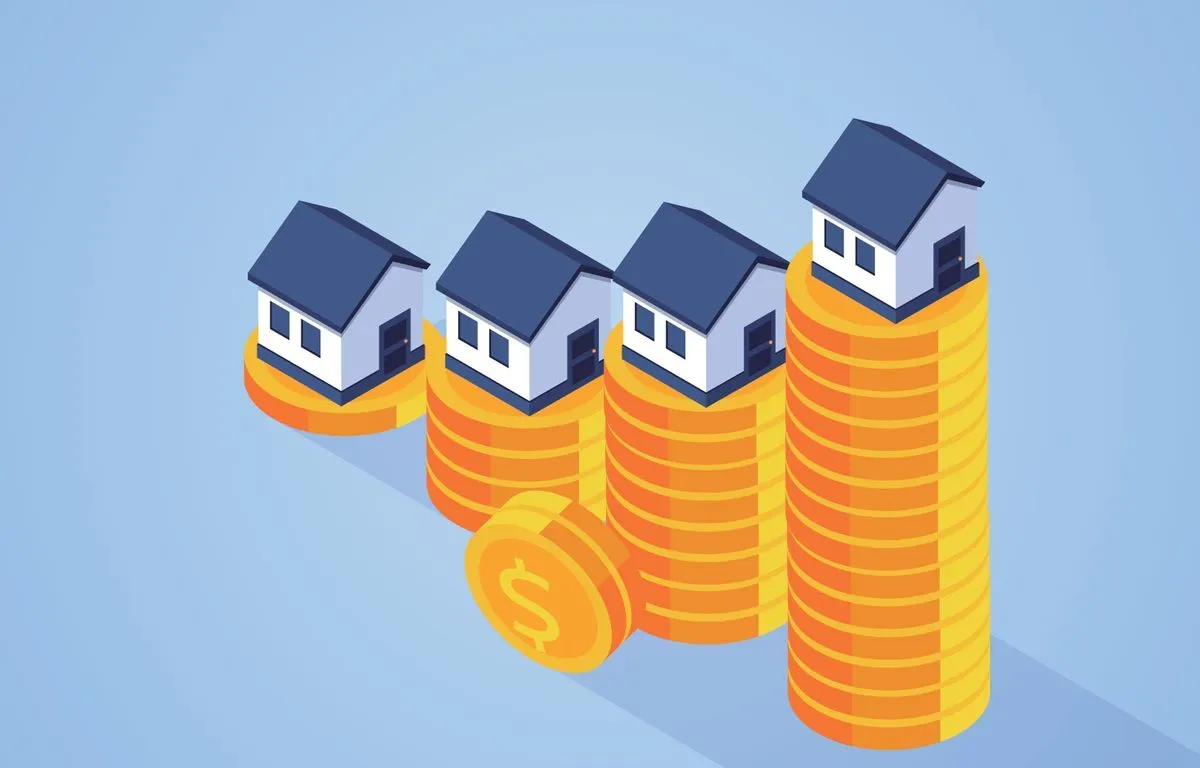
Ever wonder why two people buy land right next to each other, but one gets rich and the other barely breaks even? That's the wild thing about property development profits. It's less about luck and more about knowing the little moves that separate a huge win from a 'meh' result. If you've felt lost, overwhelmed, or just plain frustrated about making real estate work for you, you're not alone. This guide is here to strip away the guesswork and show you how real people build wealth with smart strategies and a little grit.
What Are Property Development Profits, Really?
Let's keep this simple: your profit is what stays in your pocket after all bills and headaches. You buy a piece of land, maybe slap on a building, pay for everything from dirt to taxes, and ('hopefully') sell for way more than you spent. That's the goal. But too many people think it's automatic.
- Purchase price: What you pay for the land or building.
- Build costs: Construction, materials, labor, permits.
- Holding costs: Interest, taxes, insurance while you wait.
- Sales price: What you get when it's all finished and sold.
Why does this matter? If you skip any step, your 'profit' could disappear fast. The difference between planning and winging it is huge.
How Do You Estimate Property Development Profits Before You Start?
If you begin hoping for the best, stop. Success in real estate development means running numbers early. Grab a notepad or a budget app and jot these down:
- Land price: This is your biggest upfront move.
- Development costs: Get quotes, not wishes. Architects, city fees, surprise fixes.
- Sales or rental value: Check what's honestly selling or renting nearby, not what agents 'think.'
- Profit margin: Smart developers want at least 15%-20% over all costs.
One mistake? Ignoring market shifts. If sales prices drop before you finish, you might be stuck. Always build in a buffer for 'what if.'
Which Strategies Actually Boost Real Estate Profitability?
It's not about doing everything. It's about doing the things that make the biggest difference. Here are some real-world property development strategies that just work:
- Buy ugly, sell pretty: Find the homes or lots people ignore. Fix what's broken or outdated before putting it back out.
- Know the zoning: Maybe you can build more units than it looks like. Always ask the town or city what you can legally build.
- Renovate, don't overbuild: Fancy upgrades sound nice, but do people in that area really pay extra for them?
- Tight budgets: Set a top limit and don't budge. Those 'little extras' add up.
Here's the kicker: a friend of mine doubled his money by turning a run-down triplex into condos. But if he'd gone over budget, or the market stalled, he could've lost his shirt. Bold moves, but always with backup plans.
Where Do Most People Lose Money in Property Development?
Even smart people trip up in familiar ways. Knowing the danger zones helps you avoid them:
- Bad timing: Starting right as prices peak means you're exposed if things slow down.
- Lazy research: Never trust a 'hot tip' if you haven't checked it out yourself.
- Poor contractors: Cheapest does not mean best. Shoddy construction costs double to fix later.
- No exit plan: Can't sell? What's your Plan B? Rent it? Cut losses fast.
The first time I took on a project, delays killed my profit. I believed the contractor's timeline. Rookie mistake. Build in delays, always.
How Can You Maximize Development Profit on Every Deal?
You can't control the market, but you can control how you work. Here's how to increase the odds of a fat profit:
- Negotiate hard: Everythingland, materials, servicescan be cheaper if you speak up.
- Design smart: Simple, modern designs sell faster than luxury that doesn't fit the area.
- Speed wins: The longer you hold a property, the more it eats up your gains. Fast, smooth builds win.
- Team up: Know your limits. A solid partner can split risks and bring in skills you don't have.
Even seasoned developers look back and see the deals they almost did. The lesson? Don't chase every opportunity. Wait for the ones that check all your boxes.
Is Property Investment Always Profitable?
Nope. Anyone saying you 'can't lose' is either lucky or lying. You can boost your chances by learning, running real numbers, and expecting some things to go wrong.
- Be honest about risksmarkets shift, costs rise, plans change.
- Talk to others who've done itthey'll tell you what really happens.
- Don't put in money you can't afford to wait for (or lose).
If you go in clear-eyed and stubborn, you won't win every time, but over a few projects you'll likely come out ahead.
What Should Your First Step Be?
If this feels overwhelming, that's normal. Start with one action:
- Research one area you know well. What are homes or commercial buildings selling for?
- Connect with a contractor, realtor, or fellow investor. Trade stories and numbers.
- List your budget honestly. Can you take a hit if things go long?
- Set up a tiny planwhat would it take to try a small deal?
Your future profits start when you stop waiting. Kick off some research this week. Ask a tough question. The sooner you start stacking smart moves, the sooner you'll see results.
Frequently Asked Questions
- How do I calculate property development profits before building?
Start by adding up your total costsbuying the land, building, permits, and holding costs like taxes and interest. Then guess what you can sell or rent the property for when it's finished, using recent deals in the area. Subtract your costs from that number. If there's not at least a 15-20% margin, the deal's probably too tight. - What are common mistakes new real estate developers make?
Many people skip real research, trust the wrong contractors, or spend too much upgrading things buyers don't care about. Others forget to plan for delays or drops in the market. Always make a backup plan and stick to your budget like glue. - Should I invest in renovations or start from scratch?
That depends. Renovating can be cheaper and faster, but only if the bones of the building are good. Starting from scratch gives you more control, but it's usually riskier and more expensive. Weigh the local demand and your comfort with big surprises. - What are some simple ways to make property development more profitable?
Find deals no one else sees (like ugly houses), keep your build simple, negotiate hard, and always compare your numbers to what actually sells. Working with an experienced partner can help you spot hidden problems early. - Can anyone get started in real estate development?
Pretty much, but you'll need money to get going, a strong stomach for surprises, and time to learn before leaping in. Start small, get advice from people who've succeeded (and failed), and never risk money you can't afford to lock away. - What's the fastest way to boost property investment returns?
Speed matters. The less time you hold the project, the less you pay in interest, insurance, and taxes. Use ready designs, stick to a tight schedule, and focus on popular features buyers want, not fancy extras that won't pay off.