Ever feel like everyone else is getting ahead with real estate but you? Your cousin is talking about rental income, your neighbor flips houses, and you're stuck wondering how to even get started. Good news: you don't need a mountain of cash or fancy connections to use beginner real estate strategies and grow your wealth. This guide breaks down exactly what you need to knowno confusing words or empty hype. Here's how to make your first move and start seeing real progress.
What Are Beginner Real Estate Strategies?
These are starter moves anyone can use to get into real estate investing for beginners. They dont require millions, a real estate license, or knowing a ton of rich people. Theyre simple, proven ways regular people start turning their money into more moneysometimes faster than youd think.
- Buying your first home with a low down payment
- Starting with small rental properties
- Partnering with friends or family for joint investments
- Looking into house hacking (living in part, renting out the rest)
These options solve the big problems: getting started when you're not sure where to start, learning without massive risk, and actually making money instead of only reading about it.
Why Bother With Real Estate as a Beginner?
It isnt about getting rich overnight. Its about making smart, steady moves that build up over time. With these strategies, you start building real assetsnot just hoping your paycheck stretches further this month.
- Your homes value may go up while you live there
- Rentals pay you every month (if done right)
- You get tax breaks for owning property
- You learn more by doing than just reading
Real estate has helped regular people grow wealth for decades. If they did it, so can you.
How Do I Start in Real Estate When I Know Nothing?
Start simple. Forget the people showing off ten properties online. Focus on your own first step. Heres how:
- Learn basics: Know what equity, mortgage, and cash flow mean
- Set a budget: How much can you put into a propertyand not panic if things go slow?
- Choose your game: Buy a home to live in, rent a room, or go small on an investment property
- Talk to people: Real estate agents, friends, familyanyone whos done it before
The first time I tried learning, I got lost in YouTube videos. The real breakthrough was talking to someone who bought his own place years agoreal advice, not theory.
Buying Your First Home: Is It a Good Investment?
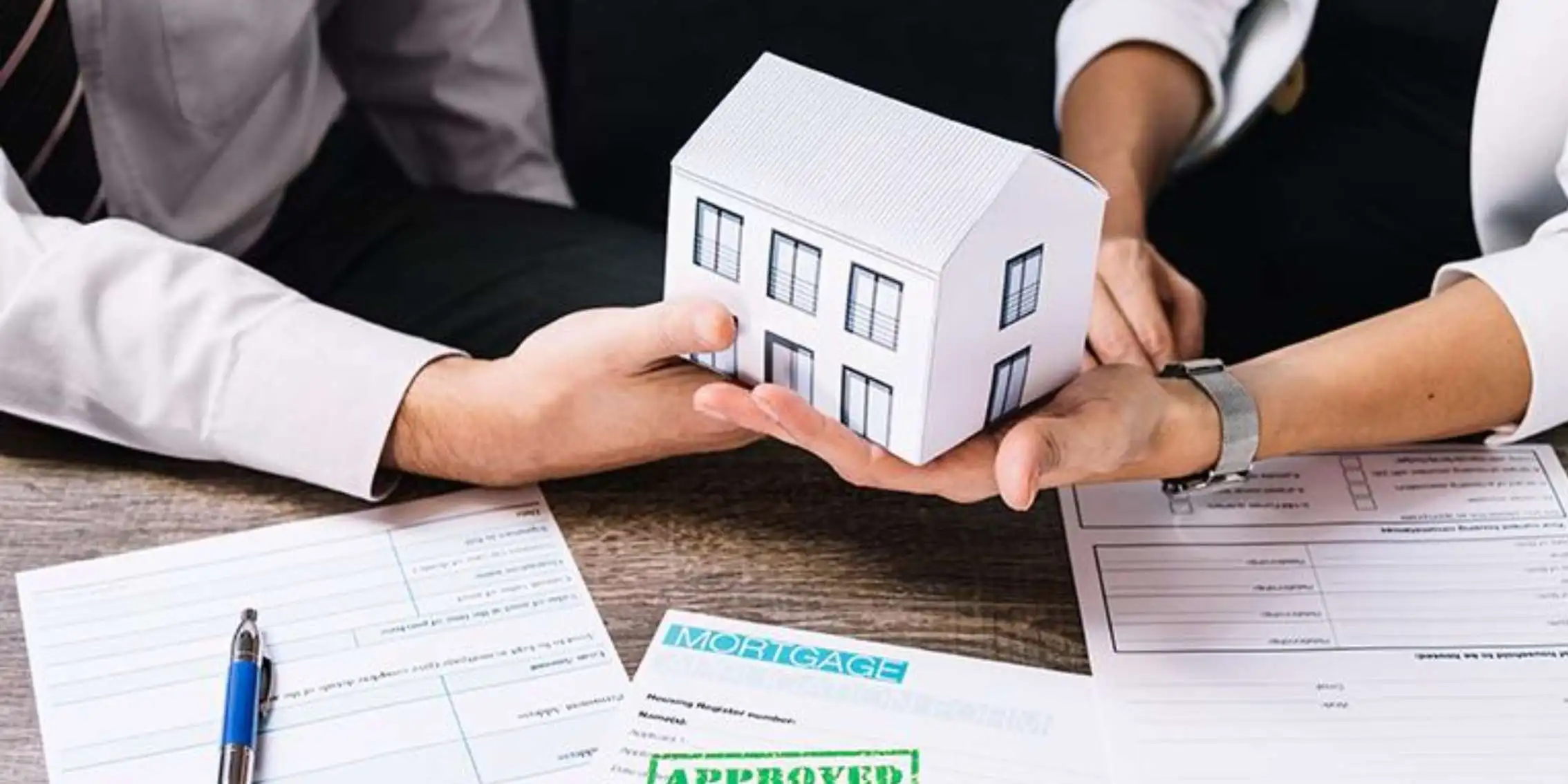
For many, this is the easiest entry point. When you buy a home to live in, you're also investing in your future. Even with a small down payment (some loans need as little as 3%), you can build equity each month.
- Low down payment loans are realbut know what monthly payments will be
- If youre single or have extra space, consider renting a room for extra income
- Repairs and taxes are your job nowbudget for surprises
Owning isnt all upside. Homes need work, markets go up and down, and not every town sees prices rise. But for most, its a steady wealth builder if you stay put for several years.
Whats House Hacking and Why Do Beginners Like It?
House hacking means you live in your own property but rent part of it to someone else. Think: buying a duplex and living in one half, or renting out the basement. It helps you cover your mortgage, sometimes fully.
- Lets you enter real estate investing without a huge budget
- Tenants help pay your billsmajor advantage
- You learn landlord basics with training wheels on
Its not always easybad tenants happen, repairs pop up, and privacy can be tricky. But its a fast-track strategy thats helped tons of beginners get started.
Should You Start With a Rental Property?
Rental properties are popular for a reason: monthly income. Start smallmaybe a single-family home or a tiny condo. Dont buy a 12-unit apartment building yet. Think about:
- Location matterssafe, with jobs nearby
- Screen tenants carefully (late rent is a headache)
- Numbers must make sense: Rent should cover your payments, taxes, insurance, and leave you a cushion for repairs
The first rental wont make you rich right away. But its about getting your foot in the door and learning as you go.
Whats the Fastest Way to Build Your Real Estate Portfolio?
Its tempting to want five properties in a year. Slow down. The fastest way to grow is to avoid major screw-ups. Start with your first, get it running smoothly, then look for the next deal.
- Reinvest profits toward new properties
- Consider partnerships to scale faster (but trust your partners)
- Always save for emergenciesrushing leads to bad deals
- Learn from your mistakes, and from people ahead of you
The best beginner property investment plans balance smart risk with not rushing too fast.
Common Mistakes Beginners Make (So You Can Dodge Them)
- Jumping in without real research (watch a few videos, talk to at least two real investorsit helps)
- Not budgeting for repairs or unexpected costs
- Buying just because its cheap (cheap isnt always a deal)
- Trying to manage too many properties, too soon
- Letting emotions decide the deal (stick to the numbers!)
I made several of these mistakes early. The first house I almost bought looked perfectuntil I found out the roof needed replacing. Dodged a bullet there, and you can too, by staying calm and doing your homework.
How Can You Learn Without Losing Money?
- Start with a super small project or property
- Practice analyzing deals (ask agents for listings, run the numbers for fun)
- Shadow someone a few steps aheadbuy them coffee, ask all the annoying questions
- Read more, but act sooner than later (analysis paralysis kills momentum)
You can make mistakes, but small ones are easier to recover from. Learn, adjust, and keep moving.
Quick Tips for Real Estate Beginners
- Save up an emergency fundthings break
- Focus on cash flow, not wild appreciation guesses
- Look for beginner-friendly marketslow prices, high rental demand
- Dont panic if things go wrong (every landlord has stories)
The best real estate tips for beginners always come down to this: Start. Small. Learn. Repeat.
Frequently Asked Questions
- How much money do I need to start in real estate?
Some loans need as little as 3% down, or even less if you qualify. You also need money for closing costs and an emergency fund, just in case something breaks. Take a good look at your savings and run the numbers before buying. - What's the best beginner property investment?
Many beginners start by buying a home they can live in and rent out a room or part of it. This helps cover the mortgage and teaches you the basics fast. Others start with a small rental property, like a condo or single-family home. - Is real estate investing for beginners risky?
There's always some risk. Property values can drop, and repairs pop up. But if you budget smart and dont overdo it, you can limit your risk and build slowly. The real risk is not learning from mistakes. - How do I build a real estate portfolio as a beginner?
Start with one property, get it working, and learn the ropes. Reinvest profits or savings into your next property. You can speed up by working with trusted partners or looking for properties in cheaper areas. Growth isn't instant, but it's real if you stick with it. - Do I need a real estate agent to get started?
You dont have to, but a good agent makes life a lot easierespecially for beginners. Agens guide you through paperwork, help you spot good deals, and sometimes catch things youd never notice. Always ask about fees and make sure you're comfortable before signing anything. - Whats the biggest mistake new investors make?
Jumping in too fast or too big. Buying a bad property just because it's cheap, or stretching your budget too far, can cause big issues. Move at your own pace and keep learning as you go.
Starting your real estate journey doesnt mean you have to risk it all or become an overnight expert. Pick one step, give it a shot, and adjust as you learn. Over time, these beginner moves stack upand your wealth will, too.