You know that feeling when you walk into an office and it just doesn't fit? Maybe the desks are stuck in place, there's nowhere to brainstorm, or your team feels boxed in. That's where the idea of a multipurpose office space flips the script. It's not about picking a one-size-fits-all layout. It's about building a space that can change right along with youwhether you're holding a formal meeting, sweating through a deadline, or huddling up for a group project.
What's a Multipurpose Office Space and Why Should You Care?
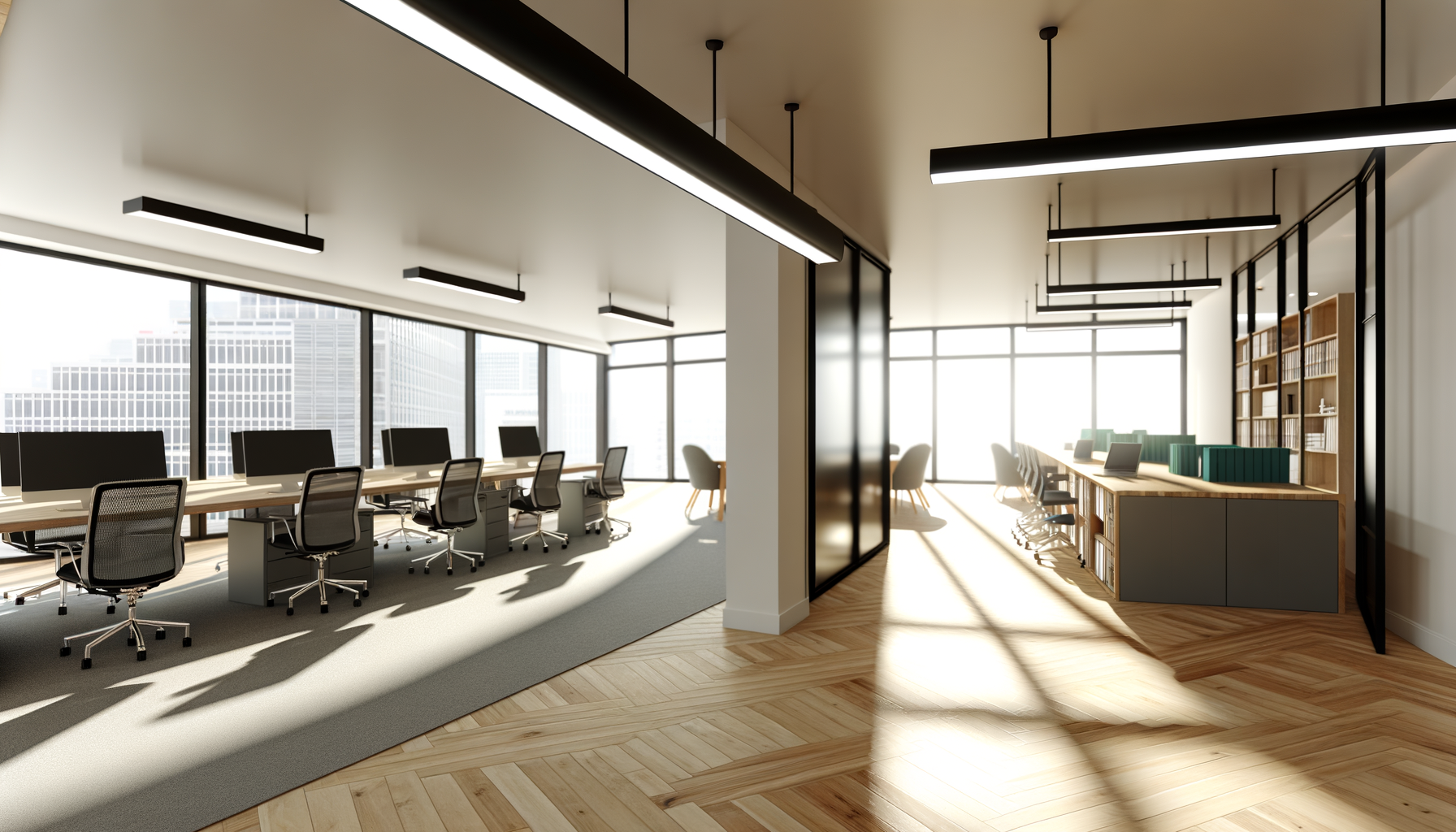
A multipurpose office space is a workspace that bends with your needs. Instead of single-use areas, almost every inch can turn into something differenta shared table becomes a lunch spot, a lounge flips to a meeting room in seconds. It's all about adaptable office solutions.
- Moveable furniture so you can rework your setup anytime
- Quiet nooks for deep focus
- Open tables for quick chats or team huddles
- Tech that supports both in-person and remote work
If you've ever worked in a cramped space, you know the struggle. These flexible setups let you breatheliterally and mentally. They fit any workday, mood, or team size.
What Makes an Office 'Multipurpose' in the First Place?
It all comes down to choices. Instead of forcing everyone into stiff routines, a multipurpose office gives options:
- Quiet rooms for solo work
- Collaborative workspaces for teams
- Spots for creativitythink whiteboards, sticky notes, even space for a quick stretch
It's not about looking trendy. It's about getting more done, your way. Setups change depending on what's needed that day, which means fewer wasted spaces and more energy.
How Do You Actually Build a Flexible Office Space?
Start simple. You don't need to hire a fancy designer. Try some of these:
- Use modular desks and chairsthey move fast
- Add wheels to tables and whiteboards
- Set up a mix of open spots and private zones
- Bring in plants or couch areas for fun breaks
The first time you try to shuffle things, you might make a mess. That's normal. You'll learn what your team likes (and hates) and change it up as you go. The point is, your office shouldn't feel like a school classroom where nothing moves. Mix it up.
Multipurpose Spaces vs. Traditional Offices: What's the Real Difference?
A traditional office locks you into one way of working, with desks all facing the same way and not much room for change. Multipurpose setups are more like a Swiss Army knifethey give you the tool you need right when you need it.
- Traditional: Fixed desks, old-school meeting rooms, zero flexibility
- Multipurpose: Hot desks, breakout zones, spaces you can tweak on the fly
The result? People move around more, bump into new ideas, and don't have to fight for a spot to get work done.
Will Modern Office Design Make Work Actually Feel Better?
Short answer: Yes, if you do it right. Good design doesn't just look cool for Instagram. It lets people choose the kind of workspace that fits their mood and job. Say you need to brainstorm after lunchgrab a comfy chair or snag a whiteboard. Have a surprise client call? Head to a private booth. It's that mix of modern office design and real-life needs.
- Personal controlpick your own spot
- Room to move and reset your mind
- Spaces that don't scream 'corporate'
One coworker might thrive at a big table, while another needs to tuck into a quiet corner. Multipurpose office spaces make room for both.
What's the Catch? Common Mistakes to Dodge
This style sounds great, but it can get tricky. It's easy to go overboardadd too many choices and people just get confused. Or try to cram every trend into one room and end up with a chaotic mess that helps nobody.
- Too much open space (people cant focus)
- Not enough tech (virtual meetings get tough)
- No clear spots for quiet time
- Ignoring how your team actually works
If you skip the listening step, you'll waste time and money. Check in with your team. See what helps (and what annoys them). Fix as you go.
How to Get Your Team On Board With Collaborations
Switching to a new office style can be weird at first. Some people like their routines. Heres how to help everyone get comfy:
- Let the team pick some featuresthey'll feel included
- Show how flexible office spaces make annoying tasks easier
- Move stuff around as a group so everyone sees the options
It wont be perfect on day one. Treat your office space as a draft that gets better every month. Over time, you'll see more honest chats, brighter ideas, and people making the space their own.
Can This Work for Small Businesses and Remote Teams?
Absolutely. You don't need floors of glass and chrome. A small team can use one room for everything by rearranging things as you go. For remote teams, creating a shared office spoteven if it's just a coworking space you meet at once a weekbrings back some of that face-to-face spark.
- Book meeting pods instead of boardrooms
- Set up flexible hours so people don't crowd in
- Share one big table, then break off for focused tasks
Whether you're remote or all in one place, the trick is to avoid getting stuck in one single way of working.
Quick Wins: How to Get More From Your Flexible Office Space Fast
- Rearrange furniture once each season and see what works
- Poll the teamwhats one thing theyd change?
- Try swapping out one old meeting room for a lounge
- Bring in a pop-up whiteboard for group brainstorms
You dont have to change everything overnight. Small tweaks can kickstart a totally new energy at work.
Final Thoughts: Make Your Space Work for You
If your workspace feels stale, dont settle. A multipurpose office space puts control back in your hands. Shake up your setup, listen to what people like, and keep experimenting. Your best workdays probably arent hiding in a cubicletheyre waiting for you to make a change. Start with what youve got, invite your team in, and build from there. Youll be surprised how much a little flexibility can do.
FAQs About Multipurpose Office Space
- What is a multipurpose office space?
It's a workspace you can use for more than one thing. Think of an area where you can have meetings, work alone, and hang out with your teamall in the same spot by moving stuff around. - How does flexible office space help small businesses?
Flexible office space lets small teams do more with less. You can use one room for calls, teamwork, or even lunch breaks. It saves money and keeps things fresh when every day is different. - Is a coworking space the same as a multipurpose office?
Not exactly. Coworking spaces are shared buildings with people from different companies. A multipurpose office is about making your own work area do many different jobs for your team. You can use coworking ideas, though! - Whats the easiest way to make my office more flexible?
Start by adding tables and chairs you can move. Create one quiet corner and one open spot for group chats. Ask your team what they need. Change things up until it feels right. - Why do people like modern office design?
Modern office design is cool because it mixes comfort with smart setups. People can work how they want, whether that's on a couch, at a standing desk, or in a private room. It looks better and works better. - What if my team doesnt like the new setup?
Thats normal. Some people take time to get used to changes. Try small moves first. Let them help pick new features. Keep checking in and tweak things until everyone finds their spot.