You know that feeling when you're halfway through your workday and your shirt feels scratchy or smells weird? Most work clothes aren't made for comfortor for the planet. If you've ever wished your office attire felt as good as your favorite weekend tee, it's time to check out organic workwear. Here's everything you need to know to look sharp, feel great, and stop worrying about what's touching your skin for eight hours every day.
What Makes Workwear 'Organic'And Why Should I Care?
"Organic workwear" might sound fancy, but it's simple: these are clothes made from materials grown without harsh chemicals. Think organic cotton, linen, or bamboo. It's the clothing version of eating cleanbetter for you, better for the earth. Why care? For starters, organic cotton uses way less water than regular cotton. You aren't wearing pesticides. And lots of brands making organic workwear care about the people sewing your clothes too. Win-win-win.
- No itchy, synthetic fabrics
- Less chance of allergies or skin irritation
- You support farms and factories that focus on the planet and fair pay
Bottom line: it's clothing that doesn't make you feel guilty or sweaty.
How Do I Find Good Organic Workwear?
Shopping for new work clothes is annoying enoughthrowing "organic" into the mix can feel even harder. But you don't need to switch out your whole closet overnight. Focus on staples. Think button-downs, chinos, blouses, pencil skirts. Look for "100% organic cotton" on the label. Bonus points for brands that talk about their factories or show third-party certifications.
- Start with pieces you wear the most (shirts, pants, blazers)
- Pick neutralseasy to mix and match
- Check washing instructions (some eco-friendly fabrics prefer a gentler cycle)
Don't fall for greenwashing. If it sounds too good to be true, check reviews or ask questions. And yes, organic workwear does last longer if you care for it right.
Does Eco-Friendly Office Attire Actually Look Stylish?
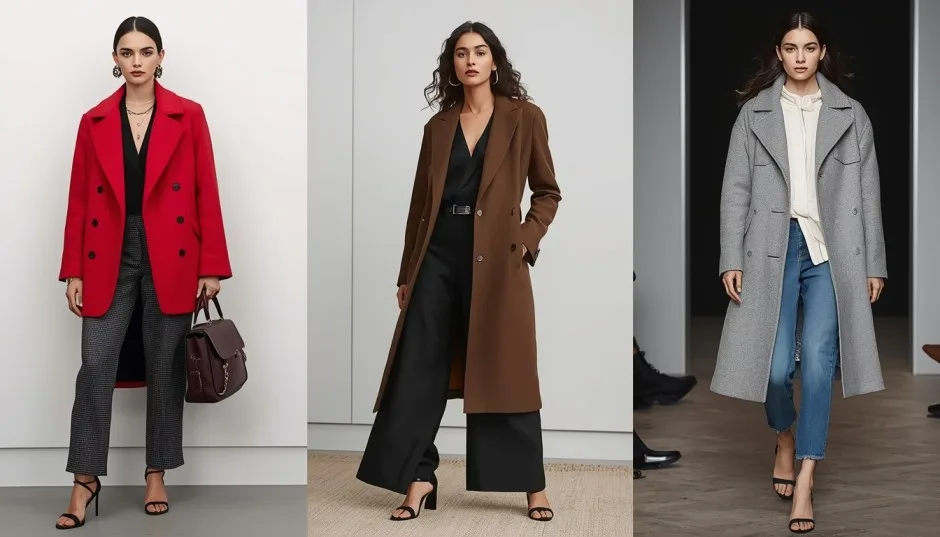
Yeah, you can find stuff that doesn't look like a potato sack. The best sustainable work clothing these days looks just as crisp as anything from a big-box store. Blazers that hold their shape. Dresses with pockets. Polo shirts that don't fade after two washes. In fact, you can get:
- Modern cutsA-line skirts, slim trousers, fitted shirts
- Fun detailscontrast buttons, subtle prints, cute collars
- Lots of sizes, not just "model" bodies
And here's the secret: you'll feel better, so you'll look better. That's not a slogan, it's just what happens when your clothes fit your values and your schedule.
Common Problems With Traditional Workwear (And Fixes from Organic Options)
Let's break down what usually drives people nuts about standard office clothes, and how organic alternatives help.
- Sweating at your desk? Organic fibers breathe way better than polyester.
- Allergic reactions? Ditch the synthetic dyes and mystery fabrics.
- They fall apart fast? Many sustainable brands use tighter weaves and better stitching.
- Feeling boxed in? Natural fibers stretch and move with you.
So next time you have an itchy collar or sweaty back, rememberthere are better options that won't leave you fidgeting through meetings.
Building a Capsule Wardrobe With Ethical Workwear
If you hate staring at your closet in the morning, try a capsule approach. That means fewer, better pieces you can mix and match all week. Ethical workwear is perfect for this because it holds up, washes well, and usually comes in timeless colors.
- Choose 23 neutral shirts, 2 pairs of pants, and one blazer or cardigan
- Add 1-2 "pop" pieces (fun print or bright color)
- Swap in organic cotton work clothes for your basics
You'll waste less time choosing clothes and spend less money replacing stuff that shrinks or fades. Plus, people notice when you repeat clothes (but in a good waythey recognize your style).
What About Cost? Is Organic Workwear Worth It?
Let's get realsometimes sustainable work clothing costs more upfront. But you usually get what you pay for: longer-lasting fabric, stronger seams, and better fits. Plus, you're not throwing shirts in the donation pile every season.
- Pay more for heavy-use pieces (pants, jackets)
- Mix in budget buys (simple tees, tanks found on sale)
- Use sales, and check if your job offers sustainability stipends
In most cases, a $60 organic shirt you wear every week makes more sense than five $20 fast-fashion shirts that fall apart. Quality over quantityand you can always add pieces slowly.
How To Wash and Care For Organic Cotton Work Clothes
Taking care of organic clothes isn't hard. Most wash like regular clothes. But a few tips help them last even longer and keep the "eco" part alive:
- Use cold watersaves energy and your colors
- Air dry when you can
- Avoid heavy bleach or fabric softeners
Quick check: If in doubt, read the label. Some blends need a little extra love, but nothing wild.
Staying Comfy and Professional: Tips for Every Season
Organic workwear isn't just for summer. You can layer for winter, too:
- Light organic cotton or linen undershirts in spring/summer
- Recycled wool or bamboo-blend cardigans in fall/winter
- Organic denim or chinos year-round
Bonus: No more freezing in overzealous office AC, because natural fibers regulate temperature better than polyester.
Where Does Ethical Workwear Come From?
People care more than ever about who made their clothes. The best ethical brands are upfront about their supply chains and factories (not just "made in" labels).
- Check if brands talk about fair wages and safe workplaces
- Research if they have third-party certifications (like GOTS for organic)
- Customer reviews are goldsee if people complain about see-through shirts, fit, or shrinkage
The more open a brand is, the more you can trust their claims about sustainability and ethics.
FAQ: Organic Workwear and Sustainable Office Clothes
- Is organic workwear really better for my skin?
Yes. Organic cotton and bamboo don't use harsh chemicals, so fewer things can irritate your skin. Many people with allergies or eczema notice the difference after switching. - How do I know a brand is truly ethical?
Look for specific info on labor, not just environmental talk. Brands that share photos of their factories or list certifications are usually trustworthy. If you can't find real details, be careful. - Are there affordable options for sustainable work clothing?
Absolutely. You can find basic organic cotton shirts and chinos at reasonable prices, especially during sales. Try starting small and build up as you can. - Does organic fabric wrinkle more?
A little, sometimesbut a quick iron or steamer fixes it. Plus, wrinkle release sprays are safe for most organic fabrics. - What's the best way to get stains out of organic cotton?
Soak it in cold water with some baking soda or a gentle soap. Rub stains gently and air drymost spots come out if you catch them early, no need for fancy cleaners. - Can I still dress up for meetings in eco-friendly office attire?
Definitely. Many brands offer tailored blazers, dress shirts, and even ties or skirts made from organic or recycled materials. You don't have to pick between style and sustainability.
Swapping even a few pieces for organic workwear makes a difference you can feelliterally. Try mixing just one organic shirt or blazer into your weekday lineup. You might never go back. And hey, the planet (and your future laundry self) will thank you.