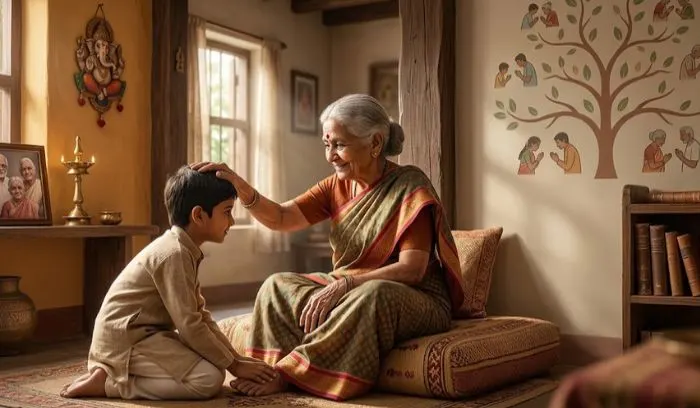
Difference between culture and tradition starts with how one flows through all of daily life while the other sticks to set steps year after year. Culture shapes group ways with food, music, and talk passed down through homes and streets. Tradition holds fixed acts like touching elders' feet or lighting Diwali lamps done the same each time.
Examples make it clear: Delhi chai chats with neighbors mark wide culture, but clay diyas on festival nights stay as steady tradition. Both pull people close in busy city days. This piece breaks them apart with real stories from Indian homes to far doors.
What Is Culture?
Culture pulls in all the daily life that binds folks close. It holds what families count as true, words they swap over tea, songs at weddings, foods like steaming idlis or butter chicken, and habits kids pick up from ma's knee. This quiet thread gives everyone a clear sense of self and colors how they read a nod or a frown on the street. No one gets born with it kids grab it by stirring pots beside grandma or copying how dads greet at the gate. It bends with new buses in town or phones in pockets but keeps the group tight as ever.
Read More: Top Traditional Festivals Of Rajasthan 2026
What Is Tradition?
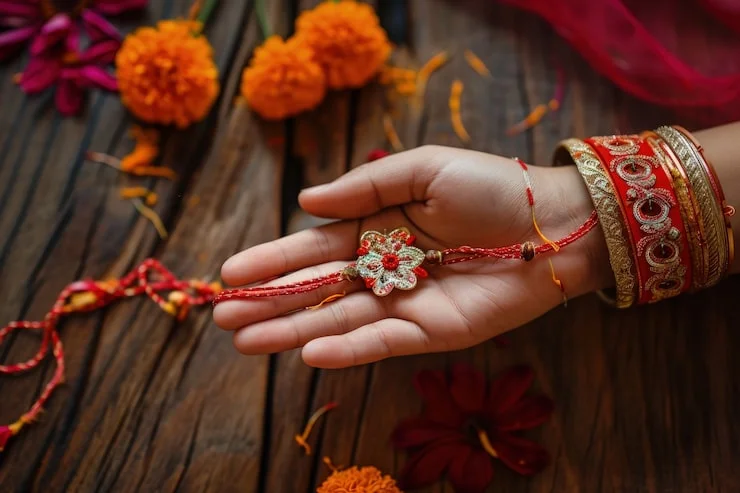
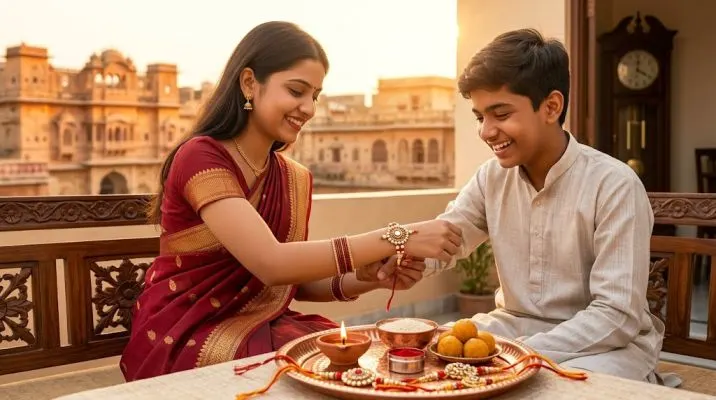
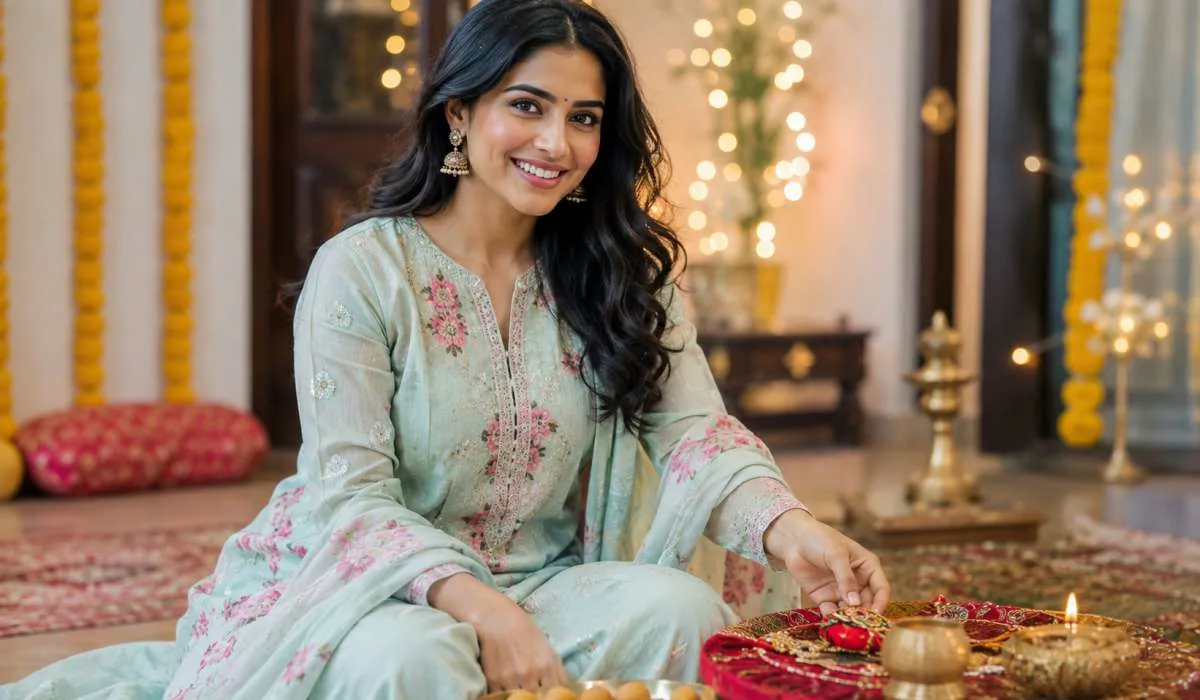
Tradition means those fixed ways folks keep doing things year after year, handed straight from parents to kids without a single change. You see it when ma pulls out the same brass thali to pile high with laddoos for Rakhi, exact same size and shape as her ma did over that smoky chulha back in the village. Or when the whole gali bends low to touch nanaji's feet before puja starts, no one skipping even if the kids grumble about school bus waiting.
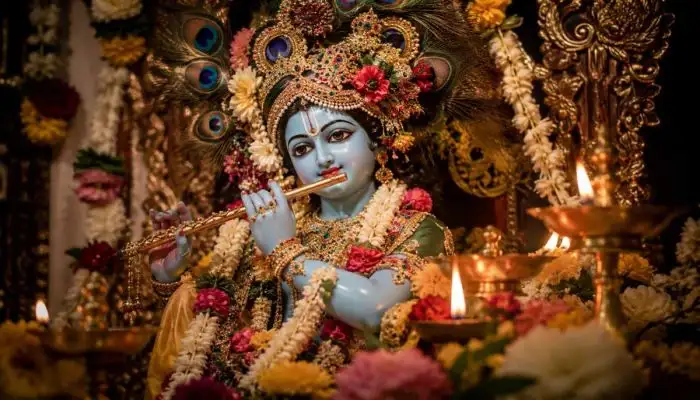
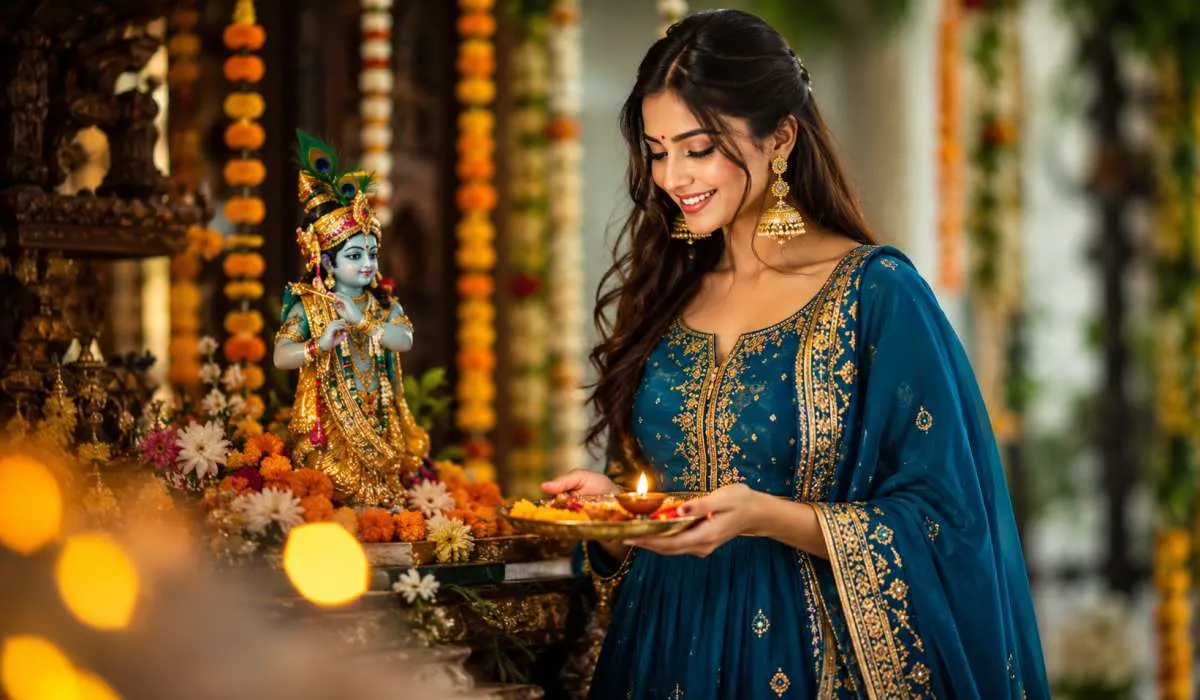
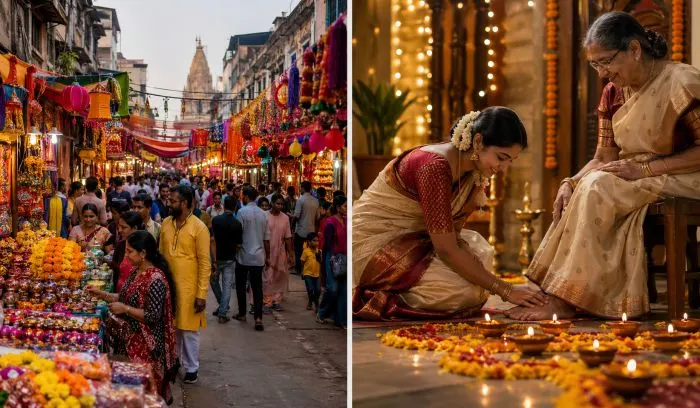
In Delhi homes, it shows up steady as clockwork lighting diyas in a row on Diwali window ledges just how dadi lined them with mustard oil wicks, or breaking fast with kheer from the same clay pot Monday after Monday for Shiva's blessings. No one writes it down; uncles show nephews by doing, hands moving the same path over dirt floors or marble tiles. That's what locks the past tight to today, keeping the family chain unbroken.
Key Differences Explained
Culture and tradition overlap but differ in big ways. Culture spreads wide and shifts with the world. Tradition stays narrow and sticks to old paths.
| Feature | Culture | Tradition |
|---|---|---|
| Scope | Covers all life areas like food, art, rules | Focuses on set actions or events |
| Change | Grows and adds new parts over time | Holds steady for generations |
| How It Spreads | Through schools, friends, TV | From family stories and hands-on |
| Role in Life | Shapes daily choices and views | Marks special times and ties to past |
| Examples | Street food mix in markets | Same recipe for sweets at festivals |
This table shows culture as the wide river that carries many streams. Tradition acts like a strong branch that does not bend easy.
Culture lets groups adapt, like how city kids in Delhi now mix jeans with kurtas. Tradition keeps core acts alive, such as lighting lamps on Diwali night after night. Take a market in Old Delhi. Vendors sell kebabs next to momos from Nepal.
This food mix marks culture's flow. But each stall uses the same spice blend from grandfathers. That blend stands as tradition. I once watched a vendor grind those spices by hand. His father taught him the amounts by feel, not measures.
Culture Examples in Daily Life
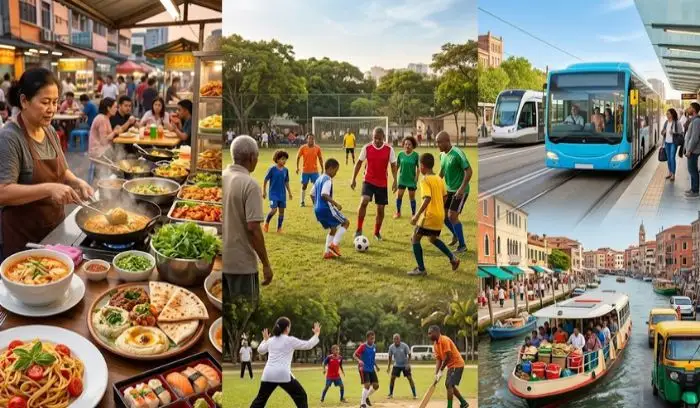
Culture touches every part of the day. Food stands as a strong mark. Italians share pasta with tomato sauce at Sunday lunches. The meal pulls family close and passes simple love through bites. The table fills with talk and second helpings. No one leaves until plates shine clean.
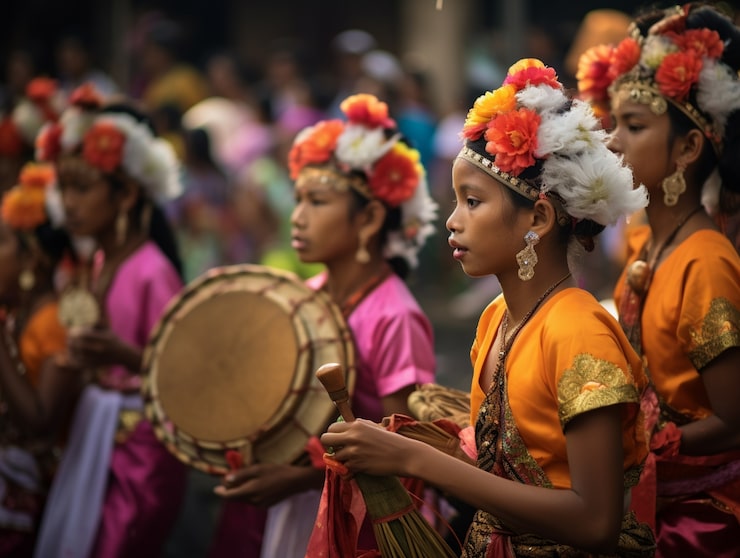
In Bali, women weave small baskets of flowers daily. They place these at temples or doorsteps as thanks. This act roots deep in island life, even for those less religious. The flowers wilt by noon, but new ones go down each morning. The scent hangs in the air like a quiet prayer.
Music flows through culture too. African groups drum rhythms at gatherings that tell stories of heroes and rains. Kids pick up beats early and carry them forward. Hands slap hides in patterns that make feet move on their own.
Walk through a Mumbai train station. Commuters in suits brush past women in saris. Radios play film songs while ads flash on walls. The rush holds a shared energy that no one names. I stood there once during rush hour. The crowd pushed like a wave, but smiles broke through when someone hummed a tune.
In Brazil, soccer fields fill after school. Balls fly as cheers rise under the sun. This love for the game weaves into work breaks and family talks. It defines weekends for millions. Fathers kick balls with sons in backyards, the same way their fathers did.
Tradition Examples Around the World
- Traditions shine in set moments. In South Africa, families fire up a braai grill every weekend. Meat sizzles as stories flow, linking weekends past and present. Smoke rises slow, and plates pass hand to hand.
- China families eat with chopsticks at every meal. This tool from old rice fields now marks meals worldwide for them. It teaches steady hands and shared bowls. Rice sticks lift perfect with practice.
- India lights up Diwali with clay lamps and sweets. Homes glow as kids burst crackers, a night repeated yearly to chase dark away. The lamps flicker on windowsills, casting shadows that dance.
- Japan holds tea ceremonies for guests. Hot matcha pours in quiet rooms with set moves. This slows time and honors the drink's path. Bowls turn twice in hands before the sip.
- My neighbor in Delhi fasts on Mondays for Shiva. She breaks it with fruit at dusk, joined by her sons. This weekly pause started with her mother and holds firm. The fruit tastes sweeter after the wait.
- In Scotland, bagpipes wail at clan gatherings. Kilts swing as steps match the tune. The sound calls back to highland fights long gone. Feet stomp dirt into clouds.
These acts repeat because they feel right. They tie people to roots without words.
How They Work Together?
Culture holds traditions like a big basket. A tradition strengthens culture by keeping history alive. Without traditions, culture loses its deep feel.
In India, Holi festival sprays colors on all. This tradition lives inside Hindu culture's joy and forgiveness. It pulls neighbors into shared fun each spring. Water guns soak shirts as laughter fills streets.
Change tests both. Young folks in cities tweak traditions, like shorter wedding rites. Culture absorbs this, staying fresh while traditions anchor the old. Picture a Punjabi wedding. The baraat arrives on horses, a tradition from Rajput days. Guests dance to dhol drums, part of larger music culture. The night blends old steps with new lights. Horses clip-clop past cars, horns blaring in cheer.
Groups without strong traditions fade fast. Culture needs these steady points to guide growth.
Why They Matter Today?
In a fast world, culture and tradition ground us. They answer who we are amid phones and planes. Families teach them to kids for strength.
Delhi streets buzz with Punjabi beats and South Indian dosas. This culture mix thrives because traditions like festival dances hold firm. Hold your culture close by joining daily acts. Share tradition stories at dinner. They build pride and links that last.
A friend moved from Kerala to Canada. She packs sambar rice for lunch each day. Her kids learn the taste and ask about Onam boats. These threads keep home near. The spice smells fill her kitchen, just like back home.
Conclusion
Culture and tradition weave through our days like threads in a strong cloth. They give life shape and meaning, from morning chai chats to Diwali lamps at night. The difference between culture and tradition lies in how one flows wide with new winds while the other holds firm as an old tree root.
Families pass both down, keeping us tied to those who came first. Next time you touch your elder's feet or share a street food plate, feel that link. It builds the world around you stronger. Hold these close amid fast changes they make every moment richer.
FAQs
What is the main difference between culture and tradition?
Culture means daily group life parathas with achar, cricket shouts over walls, Delhi auto-rickshaw slang. Tradition means fixed repeats jalebis on Rakhi thali like dadi's chulha days, feet to papa's slippers before bus like uncle's mud-road time.
Can you give tradition and culture examples from India?
Culture shows in Delhi street mixes of Punjabi beats and dosa stalls. Tradition shines in lighting clay diyas on Diwali or fasting Mondays for Shiva.
How does difference between culture and tradition with examples help daily life?
It shows why we adapt jeans to kurtas as culture but keep lamp-lighting as tradition. Examples like Holi colors or pasta Sundays make the split clear and useful.
Why do tradition and culture examples matter for kids today?
Kids learn beats from drums or rice from grandma's hand. These examples build pride and roots when phones pull them far.
Does culture change faster than tradition?
Yes, culture adds new foods from markets quick. Tradition holds slow, like the same wedding sweets tray year after year.