The way historical events combine with cultural movements creates the current state of our modern societies. What often captivates us most, however, are the subcultures that deliberately step outside the mainstream to forge their own identities. The groups express their need to stand out through their fashion choices and their choice of uncommon vehicles and their dedication to specialized crafts and their use of rebellious behavior. The different ways people express themselves through their original artistic creations and their different cultural practices show how human creativity exists in many distinct forms.
Hidden Tribes: A Journey to the Fringes of Global Society
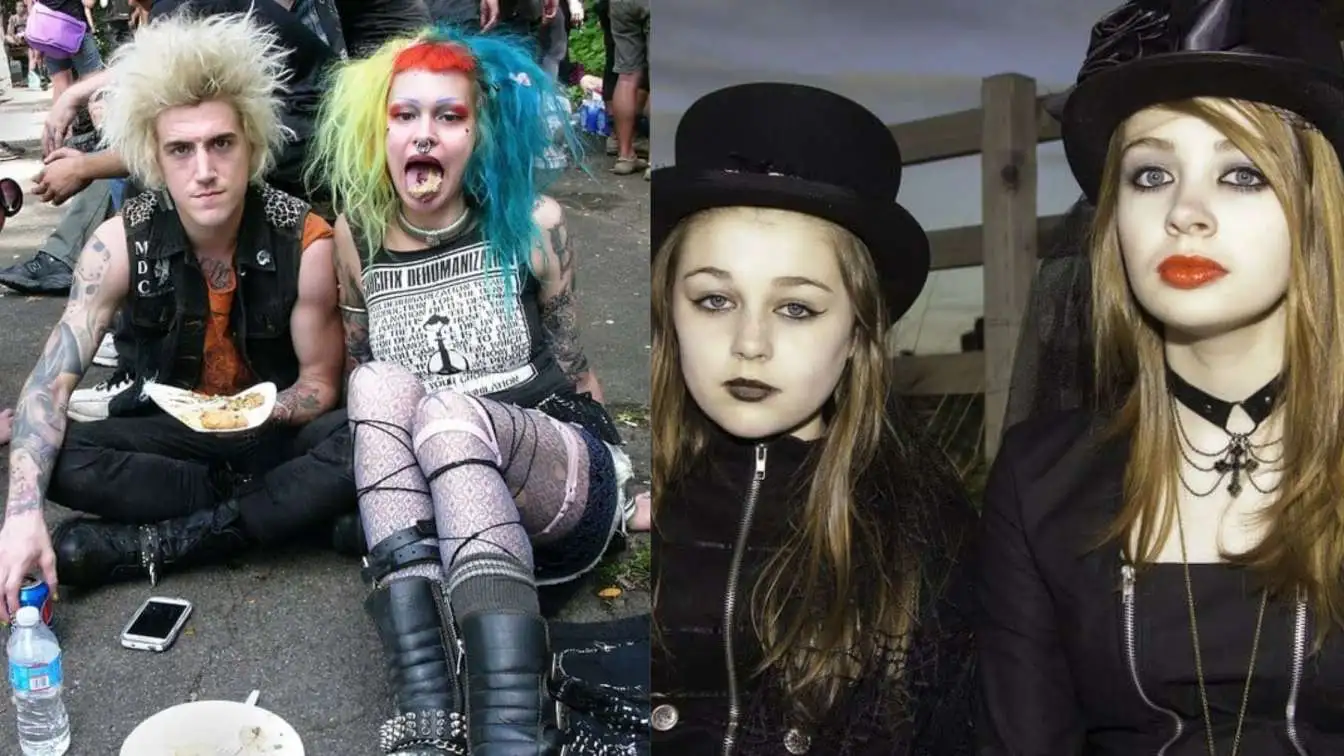
Anarcho-Punk:
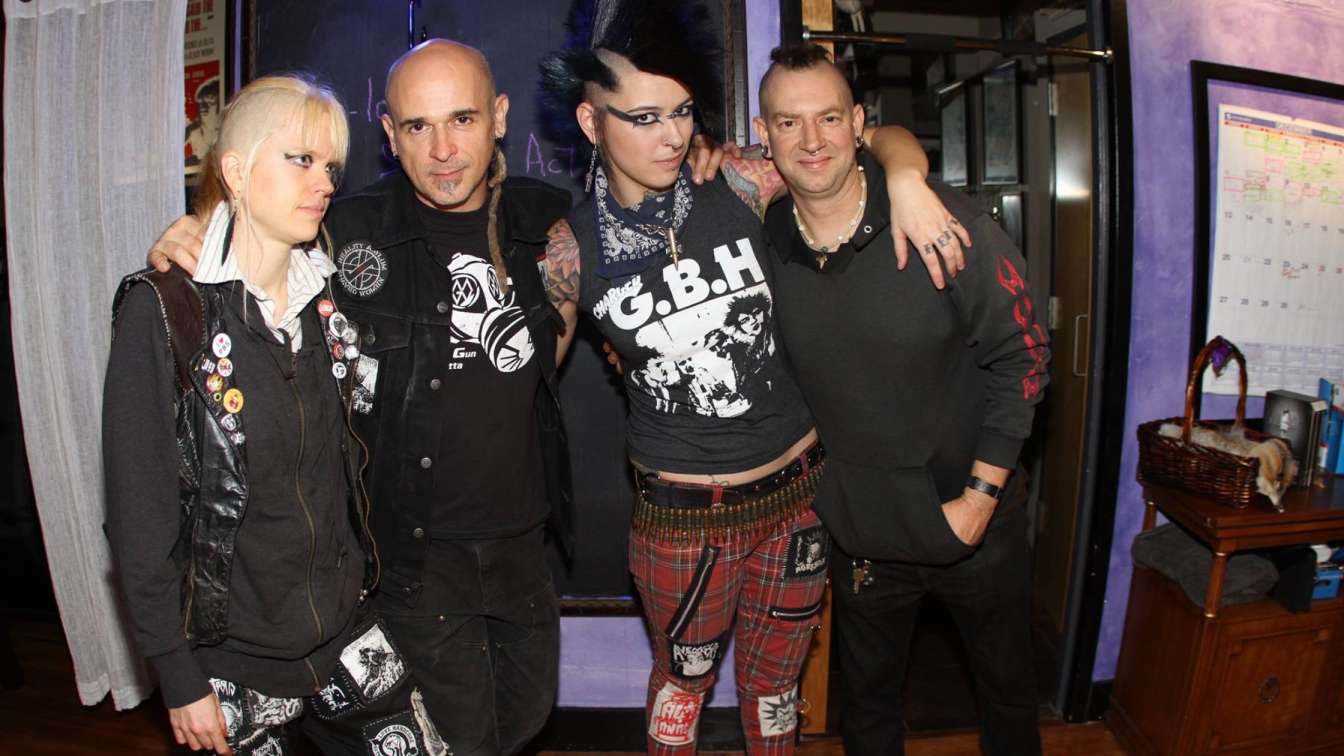
Anarcho-punk movement started in the late 1970s when bands like Crass and Conflict combined punk rock music with extreme anarchist political beliefs. The subculture's rebellious fashion, which consisted of black clothing decorated with handmade patches and band logos and intriguing subcultures, created a visual opposition to mainstream consumer culture.
Read Also: Celebrity New Years Eve Outfit Trends You Need to See
Acid House:
Acid House originated from Chicago's electronic underground scene during the mid-1980s, which created a musical movement that spread to the UK following its initial release. The subculture continues to exist at festivals and squat raves throughout the world because its people maintain their energetic lifestyle through their signature smiley face emblem and neon clothing.
Beatniks:
The 1950s Beatniks who practiced jazz-infused bohemianism found deep appreciation for the literary creations of Jack Kerouac and Allen Ginsberg. The subculture of this movement showed its free-form jazz style through its practice of unplanned and unstructured musical creation which became a way for people to express their individuality and their opposition to mainstream culture.
Bikers:
In post-World War II America, bikers established a subculture which represented both freedom and rebellion. Their heraldry consisted of leather jackets, bandanas, and the rumble of Harley-Davidsons. The biker way of life which values brotherhood and adventure remains today as a symbol of resistance against modern mechanical society.
Cyber Goth:
The subculture exists through its industrial music and neon dance clubs which create a bizarre and dystopian future. The fashion of the style combines synthetic materials and fluorescent colors with sci-fi accessories which include goggles and gas masks to create a post-apocalyptic look.
Casuals:
The British subculture from the late 1970s combined football fan culture with Fila Stone Island and Lacoste sportswear brands. The subculture uses fashion as a secret code for showing loyalty even though it connects to hooliganism.
Grime:
The subculture emerged in the early 2000s in East London, blending UK garage, jungle, and hip-hop. Fashion shows its origins through streetwear essentials which include tracksuits and sneakers and hoodies. Grime music continues to provide a voice for marginalized young people while it explores different aspects of urban life.
Dark Wave:
A subgenre of post-punk and new wave that was shaped by influential bands like Bauhaus and The Cure. The music combines haunting synthesizers with guitars which produce a reverb effect and the lyrics explore themes of romantic love and social isolation. Gothic aesthetics serve as the primary source of inspiration for the fashion choices made by members of the subculture.
Emo, or emocore:
Emo music features intricate guitar melodies and emotionally intense singing which establishes a deep connection with its listeners. The style includes skinny jeans and band t-shirts together with distinctive hair designs. The emo subculture which once existed on society's edges continues to attract alternative music fans in the present day.
Freak scene:
The Freak Scene of the 1960s and 1970s thrived on avant-garde rock and a countercultural ethos. The movement developed its unique sound through influences from Beat Generation artists and surrealist artists and experimental rock music and psychedelic music and abstract art and experimental films and underground comics.
Hardcore punk:
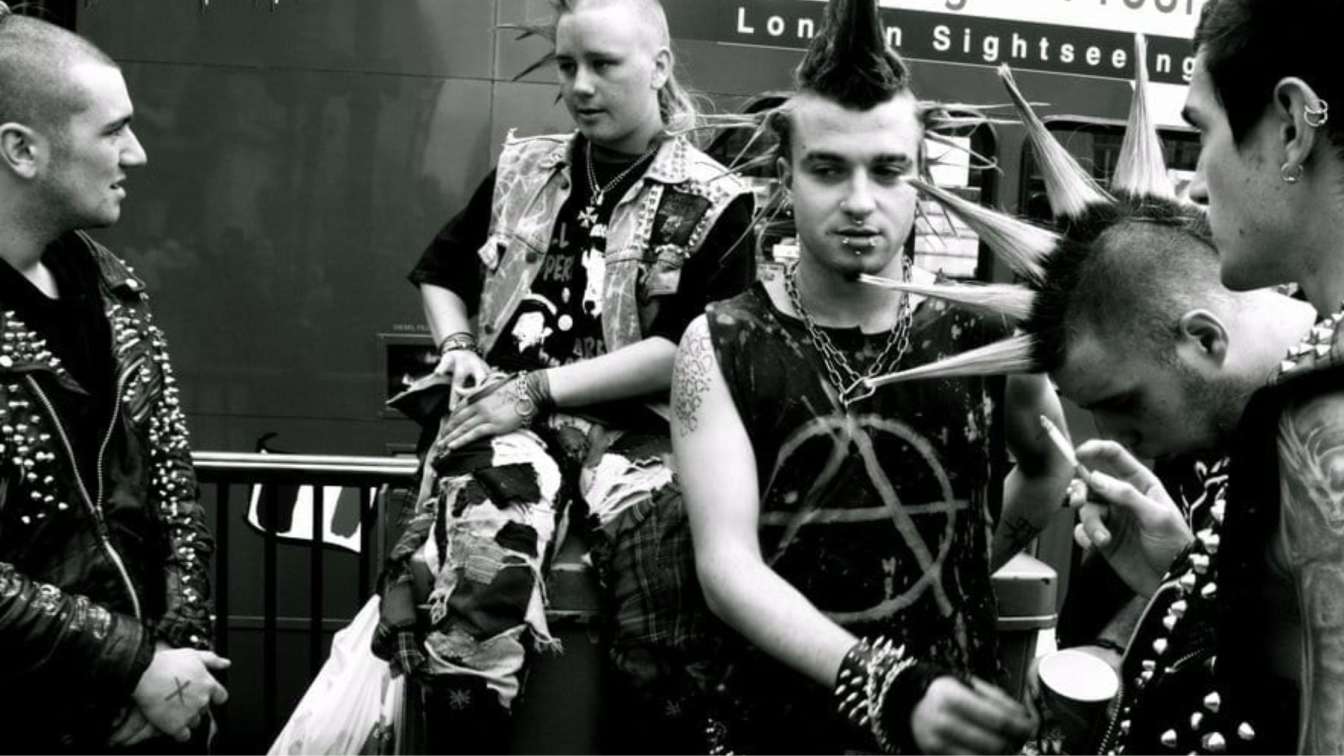
The late 1970s introduced hardcore punk music which combined high energy performances with its unrefined vocal style and minimalistic instrumental sound. Black Flag and Minor Threat led the first wave of punk artists who fought against the music genre's commercialization. Hardcore punk music continues to explore social and political issues while expressing its anti-establishment beliefs.
You May Also Like: The ultimate wardrobe guide clothes every woman should own
Rude Boys (and girls):
The subculture which began in Kingston dance halls during the 1960s developed through its connection to ska and rocksteady music while its dancers wore tailored suits and thin ties and pork pie hats and polished shoes. Rude Boys served as the perfect example of rebellious youth who fought back against economic difficulties and intriguing subcultures.
Mods:
The 1960s British rebels embodied the youthful trendy appearance of their time. The mods rejected post-war conservative standards by adopting Italian scooters and listening to Small Faces and The Who while wearing custom-fitted suits. Their sharp aesthetic still resonates today in fashion and music scenes.