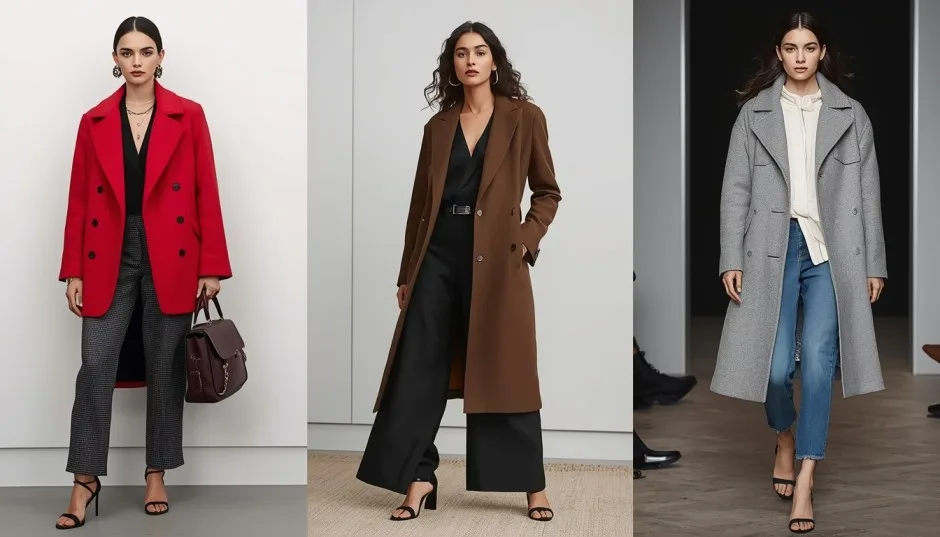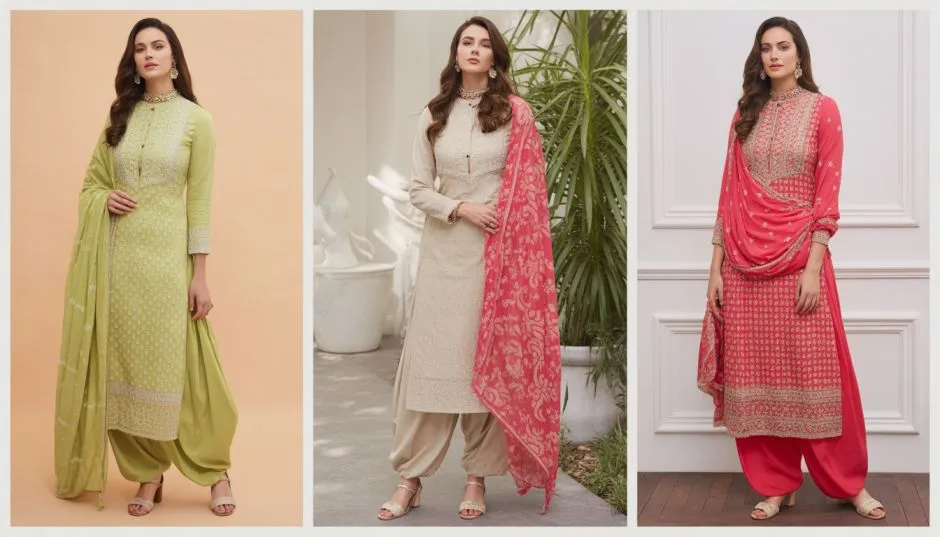
If you always dread picking out work clothes, you're not alone. There's that weird blend of wanting to look sharp, feel comfortable, and not feel guilty about what your outfit did to the planet. That's where organic workwear comes in. It's comfy, good-looking, and lets you feel better about what you wear to work every day. In this guide, you'll get straight talk about what makes organic workwear special, how to make it work for your life, and the sneaky mistakes most people make when going sustainable.
What Counts as Organic Workwear, Really?
Let's clear something up. "Organic" doesn't just mean "feels soft" or "has a leafy tag." True organic workwear is made with materials grown without harmful chemicals. We're talking organic cotton, bamboo, maybe even hemp. Labels like GOTS or OEKO-TEX give you a clue the brand means business about being natural and kind to the planet.
- Organic cotton work shirts
- Hemp-blend office trousers
- Bamboo-fiber blouses and tees
- Low-impact plant-dyed jackets
Why does that matter? Because sustainable work clothing isn't just a trendit's about keeping chemicals out of your closet and out of the soil. It's also usually built to last longer and is softer on your skin.
Is Organic Workwear Stylish or Kind of Boring?
Some people picture beige potato sacks when they hear "eco-friendly office attire." Not true. Today's luxury organic fashion brands focus on clean shapes, bold colors, and actual fit. Think of it like upgrading from fast food to a sit-down mealyou didn't know what you were missing.
- Soft organic fabrics that drape, not sag
- Blazers with strong lines but extra stretch
- Tailored pants with deep pockets (honestly, who doesn't want that?)
- Unexpected colors and printsbecause "green" doesn't mean only green
If you work in a creative office, swap in a statement piece. If your job is buttoned-up, go for classic cuts in organic cotton or bamboo blends. It's about mixing things that feel like "you" with clothes that won't itch by lunch.
How Do You Start a Sustainable Work Clothing Routine?
It seems overwhelming at first. The key is starting with one change, not tossing your whole closet. Here's how to ease in:
- Pick a daily staple (like shirts or pants) and swap for an organic version when it's time to replace
- Mix your best-loved basics with one new eco-friendly office piece
- Use what you own until it truly wears outsustainability is also about not wasting
I tried replacing everything at once and my bank account cried. Take it slow. Slip in new pieces as you go. Soon, the scratchy, sweat-inducing clothes will end up at the back of your closet without a guilt trip.
How Can You Tell If It's Ethical or Just Greenwashing?
The toughest thing is sorting the real stuff from the hype. Some brands slap "organic" or "sustainable" labels on anything. Here's what works when figuring out if organic workwear is actually what it claims:
- Look for clear certifications: GOTS, OEKO-TEX, Fair Trade. If you can't find any info beyond "eco-chic!"be skeptical.
- Check the brand's transparency: Do they say where their clothes are made and by whom? If it's a mystery, that's a red flag.
- Watch for green buzzwords that don't mean much: "All-natural," "conscious," without real proof means nothing.
Sometimes, ethical workwear costs a bit more up front. But pieces last longer and feel better, so you swap out less often. It's like buying one great coffee mug instead of ten cheap ones you toss after a month.
What Could Go Wrong With Organic Workwear?
All change takes a little work, and that includes your wardrobe.
- Fit can be different: Some organic materials shrink a touch or fit oddly. Always check size charts (and reviews) before you buy.
- Colors can fade faster: Fewer chemicals means sometimes the bold hue isn't as bold after ten washes. Wash cold and hang dry when you can.
- Sticker surprise: High-quality, ethical workwear costs more up front. But if you only need to buy it once, it's cheaper in the long run.
Here's the upside: once you figure out your brands and your best fits, shopping gets way easier. You know your favorites, and you love putting them on each morning.
Does Luxury Organic Fashion Really Feel Different?
Honestly, yes. There's something about organic fabricsthe breathability, the softnessthat gives regular office clothes a run for their money. Think of it like swapping scratchy towels for plush ones. Your skin notices the difference, especially on long days or hot commutes.
- Better for sensitive skinno harsh dyes
- No weird smell from chemical finishes
- Feels cooler in the summer, warmer in winter (yep, natural fibers do that)
The other win? You feel good knowing you're not supporting questionable practices or pollution. Clothes can mean something more than just things to wear.
Can You Dress Up or Down in Organic Workwear?
Absolutely. Organic doesn't mean "fancy only" or "super casual." The best brands make everything from structured blazers to easy tees and soft chinos.
- Pair an organic cotton button-up with your favorite jeans for "casual Friday"
- Layer a bamboo-fiber shell under a blazer for meetings
- Switch in an eco-friendly midi skirt on days you want comfort and style
Aim for pieces you can mix and match. The more swaps you make, the closer you get to a closet that always feels fresh (without a closet full of regret purchases).
Quick Tips to Make the Most of Your Organic Workwear
- Wash with carecold water, gentle cycle, and air dry if possible
- Choose clothes that can handle repeat wear instead of delicate, "dry clean only" pieces
- When you're done, donate or recycle to keep the cycle going
You don't have to toss your entire wardrobe and start from scratch. Change one thing at a time. Eventually, your closet will work harder for you (and for the planet).
FAQs
- What makes organic workwear different from regular office clothes?
Organic workwear uses materials grown without chemicals or artificial dyes. That means less irritation for sensitive skin and less pollution for the planet. Plus, these clothes usually breathe better and last longer than fast fashion. - Is organic workwear really worth the price?
It can feel pricey at first, but most people find the pieces last much longer than standard clothes. You're not paying for fancy labelsyou're paying for quality and fewer chemicals. Over time, you buy less, so you save money. - How do I spot greenwashing when shopping for sustainable work clothing?
Check for trusted labels like GOTS or Fair Trade. If a brand's not clear about how they make their clothes or what "eco-friendly" means, skip them. Real brands tell you exactly what they're doing and where materials come from. - Can organic workwear handle tough workdays?
Yes! Most organic cotton and bamboo blends are tough, comfy, and wash well. They're meant for daily wear. If you work in a rough environment, check fabric types and reviews for extra durability. - Are there stylish options for eco-friendly office attire?
Definitely. More brands offer sleek cuts, unique colors, and everything from business suits to casual teesall made with sustainable fabrics. You don't have to sacrifice style for sustainability. - What's the best way to care for luxury organic fashion pieces?
Stick to cold water washes and hang things to dry. Skip harsh detergents and bleach. This helps colors last longer and keeps the fabric soft. Treat your clothes gently and they'll stay looking new.
You don't have to turn into a "perfect eco-warrior." Start small, pick pieces you love, and wea them well. Sustainable work clothing means you look good, feel good, and do a little good every single day.