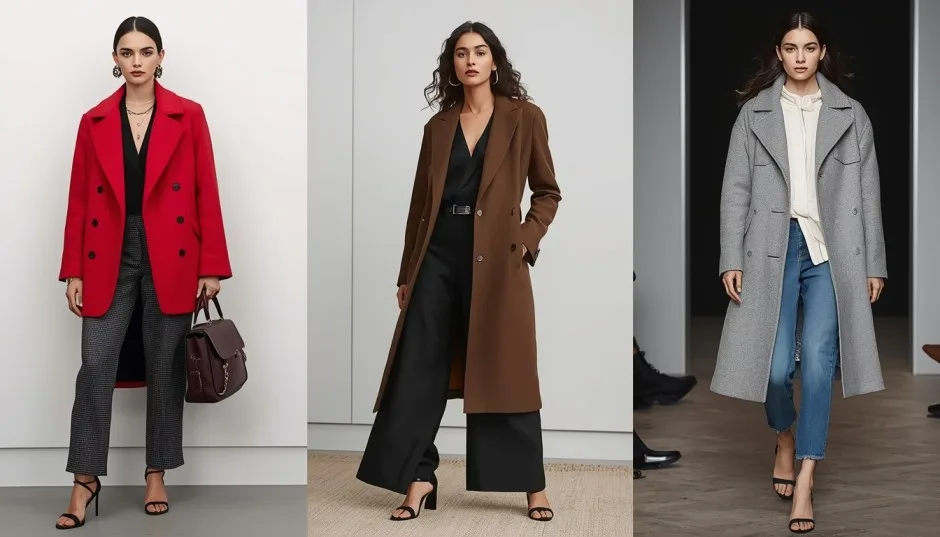
You know that sticky feeling when your shirt clings to your back all day or those itchy seams that make you squirm in your chair during meetings? Turns out, its not you being picky. Its your clothes. Most workwear is made from scratchy, stiff stuff that was never meant for eight-hour days at a desk or on your feet. Thats where organic workwear steps in.
What Is Organic Workwear (And Why Should You Care)?
Organic workwear is clothing made from natural fibers grown without chemicals. Think soft cotton, linen, or even bamboosourced from farms that skip pesticides and toxic dyes. It covers everything you wear to work: shirts, pants, dresses, even suits. Its not just about comfort, either.
- Better for your skin: No chemical residue means less irritation.
- Strong but comfy: Organic fibers dont break down as fast as cheap synthetics.
- Looks sharp: Colors from plant dyes stay vibrant without looking shiny or fake.
If you care about your morning coffee being fair trade, this is the clothing version. Ethical work apparel makes sure the people growing and sewing your stuff are treated decently, too.
How Does Organic Workwear Cut Down on Waste?
Fast fashion churns out work clothes that barely last a year. You buy, you wash a few times, and thentheres a hole or weird pilling or a button pops off for good. Sustainable work clothing is different. Brands focus on:
- Stronger stitching and better seams
- Timeless styles you wont get tired of next quarter
- Fabrics made to last through real life (not just a runway)
Eco-friendly workwear also means less microplastic shedding into the wash every weeka sneaky way synthetic clothes add to ocean pollution. Organic fabrics wont leave little plastic bits in your laundry or landfill.
What Makes Organic Office Outfits Actually Stylish?
Heard the myth that sustainable clothes are drab or shapeless? Heres the deal: organic workwear brands have stepped up. You can find:
- Crisp button-downs that hold their shape
- Pants that feel like pajamas but look fit for a boardroom
- Dresses that actually breathe (no sticking or awkward sweat marks)
There are even blazers with hidden stretch and machine-washable fabrics, so you can skip the dry cleaner. Think fewer outfit malfunctions, more confidence.
Is Ethical Work Apparel Worth the Price Tag?
Yes, the sticker price might make you flinch at first. But heres what youre buying into:
- Real cost per wear drops (fewer replacements saves money in the long run)
- You support brands that pay fair wages and are safer for the planet
- Less money on dry cleaning, stain removers, or constant wardrobe updates
The first time you pull on a shirt thats soft all day and gets comfier with every wash, youll get it. This stuffs durable, so youre not shopping for the same black pants every six months.
Can You Build a Whole Work Wardrobe with Organic Workwear?
Totally. Start with the basics:
- Two or three organic cotton shirts (white, blue, or classic patterns)
- A pair of tailored pants in a neutral (think navy or black)
- Layering pieces, like a cardigan or blazer in soft wool or organic cotton
- One versatile dress or jumpsuit
- Comfortable shoes made with natural or recycled materials
Add on slowly. Replace old pieces as they wear out. This isnt all-or-nothing. Youll be surprised how swapping just one or two items changes how you feel at work.
What Could Trip You Up When Switching to Organic Workwear?
Honestly, a few things can feel tricky at first:
- Price shock: Its higher up front, but makes up for it over time.
- Limited selection: Not every style or size is available yet, but its improving fast.
- Care instructions: Some items want a gentle washno tossing everything in hot water.
The real mistake? Expecting everything to look or fit exactly like fast fashion. Organic fabrics might drape differently. The upside: they get softer, not flimsier, with every wear.
How Do You Spot the Real Organic Workwear from the Fakes?
Sadly, greenwashing is a thinglabels slap eco or organic on stuff that isnt. To make sure youre not getting scammed, check for:
- Certifications like GOTS (Global Organic Textile Standard) or OEKO-TEX
- Brands that share where and how things are made
- Fabrics listed as 100% organic or certified organic blends
If a company wont tell you their process, move on. True ethical work apparel will show you whats different, not just tell you.
Why Are More People Switching To Organic Workwear?
Theres a reason searches for sustainable work clothing are blowing up. People are tired of itchy, ugly, one-season clothes. And they want something that matches their valueswithout giving up personal style or comfort. Plus, knowing your outfit didnt trash the planet or hurt anyone? Thats a win.
- Better for youfewer skin problems and all-day comfort
- Smarter for your walletlasts longer, needs less care
- Nicer for the earthfewer chemicals, less trash in landfills
The switch is happening slowly, but its real. You dont have to overhaul your closet tonight. Try swapping in one piece and notice the difference.
FAQs About Organic Workwear
- What counts as organic workwear?
Anything you wear to work made mostly from organically grown fibers. That means shirts, pants, blazers, and even socks, as long as they skip harsh chemicals and pesticides in the making. Check the tag or the brands website to be sure. - Are organic office outfits good for sensitive skin?
Yes, theyre usually much better. Without leftover chemicals from farming or dying, most people notice less itching or weird rashes. If synthetic stuff makes you break out, organics worth a try. - Does eco-friendly workwear last as long as regular clothes?
Many times it lasts longer. Organic cotton and similar fibers tend to be stronger and handled with care during sewing. They might feel extra soft, but they hold up really well if you follow wash directions. - Can I find stylish options in sustainable work clothing?
Absolutely! You can find modern cuts and on-trend colors for every job, from tech to teaching. Lots of brands now make ethical work apparel in both professional and relaxed fits. Its not all loose and boxy anymore. - Is it hard to take care of organic workwear?
Nope! Most items just need a cool or gentle cyclesometimes line drying. Skip harsh bleach or crazy high heat. Take care of them like you would anything nice, and theyll stick around for years. - Why bother with organic if its pricier?
You get what you pay for. Higher-quality materials, longer-lasting color, and the knowledge youre not wearing harsh stuff on your skin. Plus, you buy less over time, which ends up saving money.
If youve been frustrated by sagging collars, itchy seams, or fast-fading colors, its probably not youits your work clothes. Start with one swap to organic workwear and see how quickly your mornings (and your comfort) change. Your skin, your wallet, and maybe even your mood will thank you. One better outfit at a timegive it a shot.