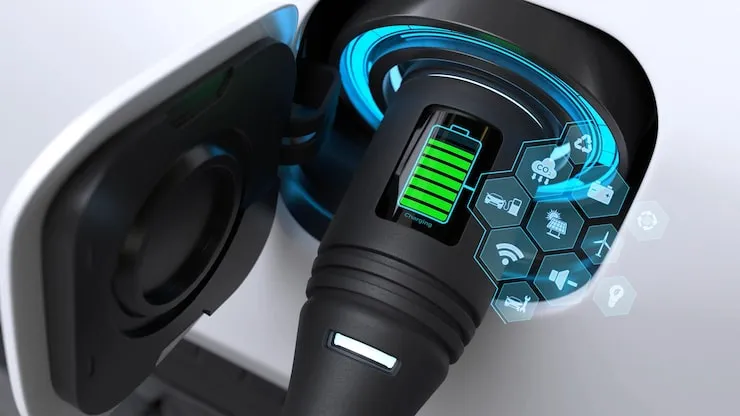
Ever wonder what makes an electric car zoom down the road without a single drop of gasoline? The secret is underneath the floor, and it’s not a gas tank. It’s a powerful, high-tech battery pack. This guide will explain the amazing world inside every electric vehicle.
Think of an EV battery as a giant, rechargeable power bank for a car. It stores electricity and sends it to an electric motor, which turns the wheels. This simple change from burning fuel to using stored electricity is changing how we drive.
An EV Battery Technology Guide: The Heart of the Electric Car
The battery is the most important part of an electric vehicle. It determines how far you can drive, how fast you can charge, and even how sporty the car feels. Modern electric car batteries are marvels of engineering.
Most EVs today use a type of battery called lithium-ion. You might have these in your laptop or smartphone, but an EV battery is much bigger and smarter. These batteries are popular because they store a lot of energy for their size and weight.
Battery capacity is measured in kilowatt-hours (kWh). Think of it like the size of a fuel tank. A bigger kWh number means the battery can hold more energy, which usually means a longer driving range. For example, a small city car might have a 40 kWh battery, while a long-range SUV could have a battery pack over 100 kWh.
How Does an EV Battery Pack Actually Work?
Let's break down what happens inside. A single lithium-ion cell is the basic building block. It has three key parts:
-
A positive electrode (cathode)
-
A negative electrode (anode)
-
A liquid electrolyte
When you charge the battery, lithium ions move from the cathode to the anode and stay there, storing energy. When you drive, those ions move back to the cathode. This movement creates a flow of electricity to power the motor. It's a clean, silent, and efficient dance happening thousands of times.
An entire EV battery pack contains thousands of these individual cells grouped into modules. A sophisticated Battery Management System (BMS) acts like the brain. It watches over every cell, making sure they are all at the right temperature and charging evenly. This keeps the battery safe, healthy, and lasting for years.
Key Features of Modern Battery Systems
Today's battery technology for electric vehicles is focused on three big goals: go farther, charge faster, and last longer.
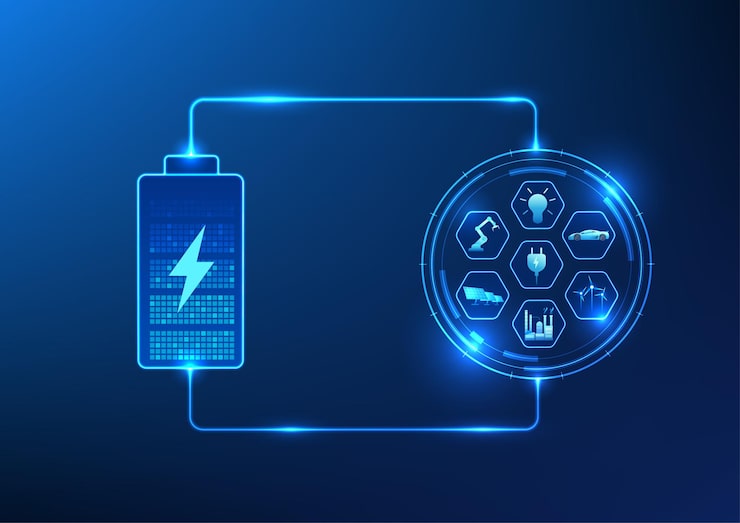
Energy density is a super important term. It means how much energy a battery can hold compared to its size or weight. Higher energy density is like having a bigger fuel tank that doesn't take up extra space. Engineers are always working to improve this through advanced battery chemistry.
Then there's charging speed. Nobody wants to wait hours to "fill up." Fast-charging capabilities depend on the battery's design and the power of the charging station. A DC fast charger can add hundreds of miles of range in 30-40 minutes, while a home charger might take overnight.
Finally, battery longevity is crucial. A good EV battery is designed to last the life of the car. Manufacturers often offer warranties for 8 years or 100,000 miles. The Battery Management System is the hero here, carefully managing charge cycles to reduce battery degradation.
Different Types of Batteries in Electric Cars
While lithium-ion is the star today, scientists are working on the next generation. The cathode chemistry—what it's made of—is a big area of research.
-
NMC Batteries: These use Nickel, Manganese, and Cobalt. They offer a great balance of energy density, power, and lifespan. Many current EVs use this type.
-
LFP Batteries (Lithium Iron Phosphate): These are becoming very popular. They don't use cobalt or nickel, which makes them cheaper and very long-lasting. They are extremely safe and can handle more full charge cycles. Their energy density is a bit lower, but improvements are being made fast.
Looking ahead, solid-state batteries are the big promise. They replace the liquid electrolyte with a solid material. This could lead to batteries that are safer, hold even more energy, and charge incredibly fast. You'll hear more about this future battery innovation in the coming years.
Keeping Your EV Battery Healthy: A Simple Guide
Taking care of an EV battery is easy, but a few good habits help it last longer.
-
Avoid Extreme States of Charge: It's best not to constantly charge to 100% or let it drop to 0%. For daily use, setting a charge limit of 80-90% is a great practice. The car's system usually lets you set this easily.
-
Use Fast Charging Wisely: DC fast charging is incredibly convenient for road trips. For daily charging, using a slower Level 2 home charger is gentler on the battery long-term.
-
Mind the Temperature: Extreme heat and cold are a battery's biggest challenge. Parking in a garage in winter or in the shade in summer helps. The car's thermal management system will work to heat or cool the battery, but giving it a little help is smart.
What Happens to Batteries After the Car's Life?
A common question is about battery recycling. The good news is that EV batteries are very recyclable. Companies are building large facilities to recover valuable materials like lithium, cobalt, and nickel.
Even before recycling, batteries can get a second life. After 10-15 years in a car, a battery might still have 70-80% of its capacity. That's not enough for a car, but it's perfect for stationary energy storage—like storing solar power for a home or business. This extends their useful life for many more years.
Expert Insights on the Road Ahead
The future of EV battery technology is bright. Dr. Elena Rivers, a materials scientist specializing in energy storage, recently shared her perspective:
"The pace of improvement is remarkable. We're seeing incremental gains in lithium-ion chemistry every year, making batteries better and cheaper. The real game-changer on the horizon is solid-state technology. It's not just an upgrade; it represents a fundamental shift that could address nearly every current limitation—range, charge time, cost, and safety."
This constant innovation means the electric cars of tomorrow will go farther, charge quicker, and be more affordable than ever before.
Frequently Asked Questions (FAQs)
How long does an EV battery last?
Most EV batteries are designed to last the lifetime of the vehicle—often 15-20 years. Manufacturers typically warranty them for 8 years or 100,000 miles, guaranteeing they will still hold a significant amount of charge (like 70%) at that point.
How much does it cost to replace an EV battery?
Battery replacement is expensive, but it's rarely needed. Costs can range from $5,000 to $20,000, depending on the size of the pack. However, with long warranties and improving durability, most owners will never need to replace the main battery.
Are electric car batteries safe?
Yes, they are designed with multiple layers of safety. The Battery Management System constantly monitors for issues. Rigorous testing ensures they are safe in crashes. Lithium iron phosphate (LFP) batteries are especially known for their thermal stability and safety.
What is the environmental impact of making these batteries?
Making batteries does have an environmental footprint, primarily from mining materials. However, studies show that over the total life of the vehicle—from making it, charging it, and driving it—an electric car has a much lower carbon footprint than a gasoline car. Ongoing work to improve battery recycling processes and use cleaner energy in factories is reducing this impact further every year.
Can an EV battery be charged in the rain?
Absolutely. Charging equipment is fully waterproof and safe to use in all weather conditions. Engineers have tested it thoroughly for rain, snow, and splashes.
The world of EV battery technology is exciting and always moving forward. These powerful batteries are more than just parts; they are the key to cleaner, quieter, and smarter transportation. With every new discovery in battery chemistry and energy storage solutions, the future of driving looks more electric than ever.