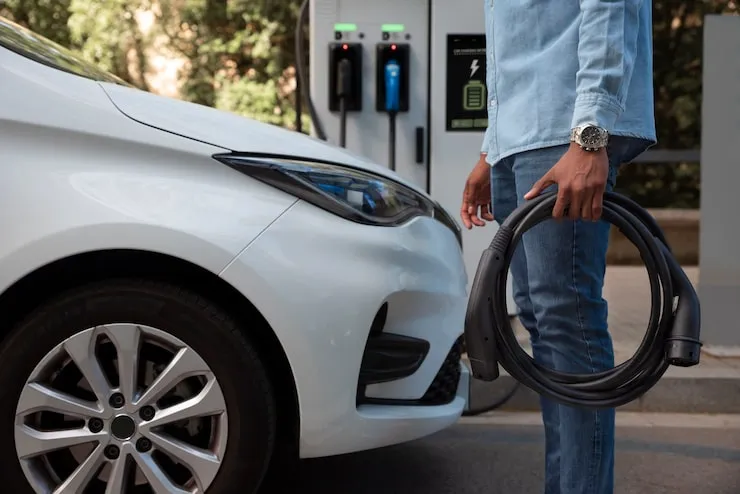
Fast charging appears to be the most convenient option for fast life. We are all very busy, and time passes quickly; we wait for everything. Who wouldn’t feel liberated and feel happy and comfortable ideally in just a couple of minutes while getting charged? This approach makes people switch from gas-powered vehicles to electric ones; it makes life much simpler and easier for many people. However, life can sometimes not turn out the way people expect it to. Indeed, fast charging saves time; however, people have to pay much more for such convenience. This might look quite cheap in the beginning and simple and fast; however, the bills will speak for themselves in some cases. This text explains in simple words and in short sentences why fast charging might turn out costly for people.
How the lure initially works?
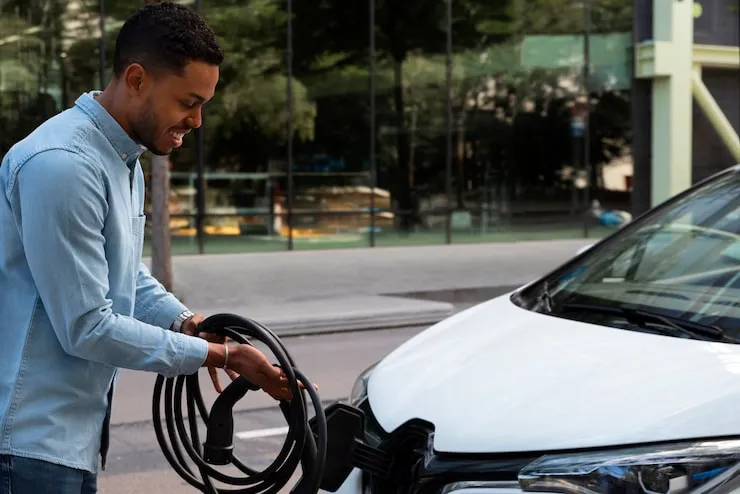
The mention of fast charging is something people look forward to. Thirty minutes of charging is something to be thrilled about. It is like filling petrol in the tank but even quicker. This is something people easily relate to. This is where marketing becomes smooth. The pictures in adverts are of happy car owners, brief interruptions, and road trips without hiccups. New car owners live this vision. They know charging will never hold them back. The attraction of quick charging asper the price is something people are even less interested in. They just want it quick. Price or whatsoever becomes nothing in comparison to fast charging cost.
Read Also: SUV With the Most Front Legroom According to Experts
The Real Cost Gap: Slow vs. Fast EV Charging
Bottom line: slow charging is cheaper, fast charging is expensive, and the difference makes a world of a difference. Fast charging infrastructure uses heavy-duty charging systems, and as such, it’s more expensive to set up as well as maintain. This gets billed to the consumer, further increasing the costs per unit. Some charging points will charge based on time as well, making it all the more complex. Once the battery charge gets close to full, the charging rate slows down, but time keeps ticking, and costs continue accumulating. Typically, a consumer will not understand the value of slow charging over fast charging until the end of the transaction, and at that point, it’s very infuriating for a car buyer.
Fast Charging and road trips
One area where fast charging appears is when you travel. Travel expenses are already part of the consideration – food, hotel, gas – and then fast charging being pricey makes the journey even more costly. Higher highway charging points will add to this, and in hotspots, you might have to shell out even more. Nothing came up much against the convenience factor. Everyone thought range-related issues for EVs will make road trips cheaper, but no, it’s not quite so. One fast charge session will surprise you, and multiple sessions will catch you off guard.
Time-Based Pricing Makes Cost Feel Unfair
The charging systems in some quick charging stations charge customers per minute rather than per unit of energy. This is where the customer feels ripped off. They expect to pay in terms of energy. Instead, customers are actually required to pay in terms of time. This is unfair. The costs rise quietly in the background until customers realize. The cost mechanism is also opaque.
Idle Fees Add Unexpected Cost
Fast charging services are impatient to see their clients move on, so they charge them idleness charges. The clock begins ticking the moment a car is fully charged. People walk away. These charges can become rather steep sometimes. They can even exceed the cost of the actual fast car charging. This is what many consumers have learned the hard way.
Membership Plans Do Not Always Save Money
Many of these networks also offer membership deals where you save on prices; there are monthly fees in these memberships. These are fees you pay when you buy; some people end up saving money. However, in many instances, when you don’t utilize the fast-charging services regularly, you may end up paying more in monthly fees than you save per year. Many people cancel the membership without realizing the impact of the annual fees. They only see the monthly fee without understanding the larger picture.
Electricity Price Volatility Causes Electricity Charges to Alter
Electricity prices vary, and fast charging prices vary with electricity prices. Peak times and peak days are charged more. Some charging points vary their costs from day to day. It can be puzzling to pay different amounts every day. It might be cheap one day and expensive another. Such unreliability is where most people expect consistency, but they lack it. Consistency in costs, which fast charging lacks, helps reduce stress.
Rapid Charging Doesn't Always Mean Rapid
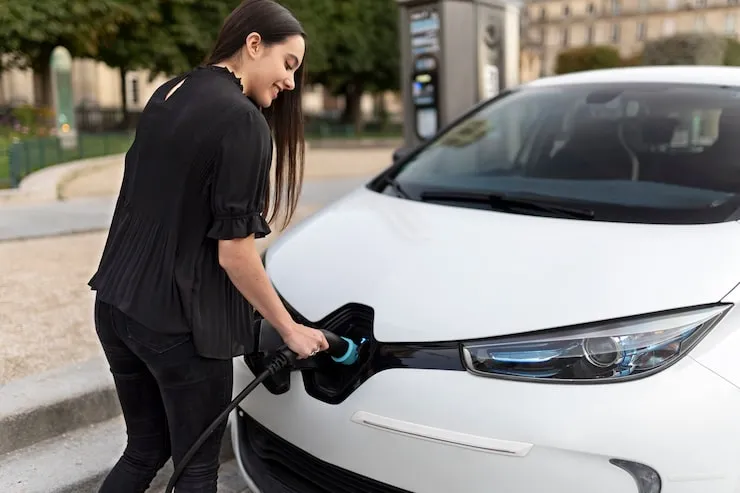
It’s not a sure thing that your charger will make your battery charge quickly. Your clock can wind up slowing down as the battery possibly gets hot, the weather isn’t cooperating, or the charger isn’t all it could be. When the rate of charge slows down, that means you are waiting longer, which means that in the case of per-minute charges as well as per-time charges, your bill increases. It all comes back on the charger—it seems unjust that charging stations are expected to provide fast fill-ups as well as low prices but what they wind up delivering is longer wait times and steeper bills.
Urban Fast Charging Can Be Very Expensive
In urban areas, fast charging comes with an added cost. Space is limited, and there is always demand for the service, which translates to high prices being charged. Urban residents rely on public charging points more and feel the sting of high charges associated with such points. The process of fast charging on a daily basis becomes costly, leaning on the belief that EVs will cost less after all.
You May Also Like: The Car Connection’s Best SUV for Safety Ratings
Fast Charging Vs. Home Charging: Mood Swapper
Home charging is consistent, almost peaceful. It is slow, yet it is budget-friendly. Fast charging is quick, yes, quick, yet it is expensive. Home charging is based on fixed rates and doesn’t give you headaches over standby charges; fast charging services often do, and that is added to what you pay. This is where disappointment comes into plain view. Those with access to home charging services would be content; those relying on fast charging services feel pinched. This is where understanding discrepancies comes into play.
Marketing Focuses on Speed, Not Cost
The advertising for fast charging focuses on speed. It offers fast cutaways, smiling drivers, and no mention of cost. The cost angle plays a background role. Consumers have big dreams, but dreams get destroyed by reality. Consumers deserve to make informed decisions with their eyes open. It is easy for purchasers to have their confidence derailed by a speedy deal with no cost info included. Consumers were not given honest info to make informed decisions with their fast charging cost.
Planning Can Reduce Fast Charging Cost

A little bit of planning does a lot in cutting expenses. Opting for charging during off-peak periods is a big help. Not charging to full capacity saves on expenses. Watching the downtime is important. If possible, charging slower will also help. Planning may have its efforts involved, but the rewards are substantial. The buyer will have reduced stress if he plans. Education teaches faster than experience; planning teaches even faster.
Feelings associated with high charges for fast charging
When fast-charging prices are high, there are feelings. Regrets, confusions, and disappointments creep into the satisfaction. Clarified expectations eliminate the emotional burden. When expectations are known early, it boosts confidence. Acceptance facilitates the experience. It becomes easy to own when the cost is understood.
Future usage of fast charging
However, over time, consumers adapt. Consumers begin to recognize patterns and find other routes at cheaper rates. Fast charging is expensive, but it becomes tolerable. Experience is the most significant teacher; the sooner education begins to accept it, the better it is.
Conclusion
Fast charging is very convenient. However, it is also rather expensive. This is the price you pay when you go for both convenience and the quick charging time. This is why understanding this is very important. It helps make wise decisions. Fast charging should be done in a wise manner. The cost of charging your car at home is the least.