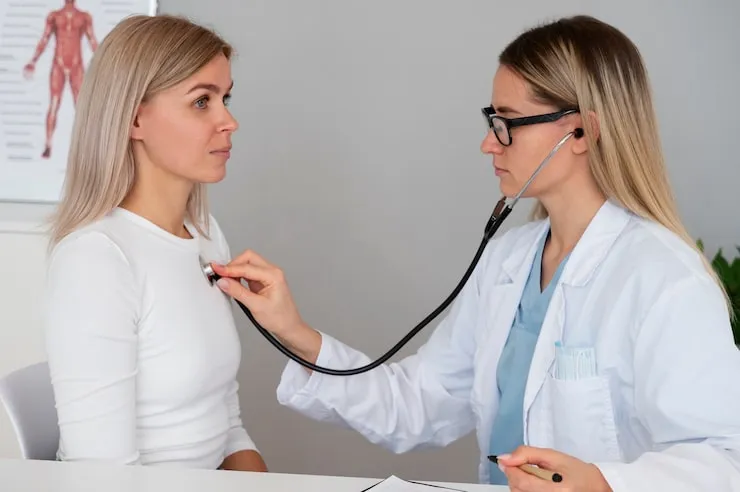
When Maria skipped her annual checkup, she thought, “I feel fine, why bother?” Fast forward a few months, and a female medical test caught a small issue early enough to prevent it from turning serious. That’s the real power of timely health screenings.
These tests aren’t just for the worried—they’re for anyone who wants to stay on top of their health. By the end of this article, you’ll know which tests matter most, why they can save your life, and how to make checkups simple and stress-free.
What is a Female Medical Test?
A female medical test is any health screening specifically designed for women. It goes beyond basic blood work. Think of it as a tailored report card for your body.
Common Tests That Matter
-
Pap smear: Screens for cervical cancer
-
Mammogram: Checks breast tissue for early signs of cancer
-
Bone density scan: Monitors for osteoporosis
-
Blood tests: Hormones, cholesterol, and sugar levels
-
STD screenings: Protect reproductive health
Why it matters: These tests can detect problems before symptoms appear. Early detection often means easier, cheaper, and more effective treatment.
Mini takeaway: Don’t wait for symptoms—tests are your early warning system.
How Regular Checkups Protect Women’s Health
You might think checkups are boring or uncomfortable. Here’s why they’re worth it:
-
Prevent major illness: Detect risks before they escalate.
-
Track hormone changes: Menstrual, fertility, and menopausal transitions are easier to manage with data.
-
Personalized advice: Doctors give lifestyle tips based on your unique results.
-
Peace of mind: Nothing beats knowing you’re in good shape.
Story: I remember a friend ignoring routine tests for years. A simple blood test caught an early thyroid issue that could’ve led to bigger complications.
How to Make Medical Tests Less Stressful
-
Schedule ahead: Book appointments during convenient times.
-
Ask questions: Doctors expect questions—don’t hold back.
-
Bring records: Past results help doctors spot trends.
-
Know what’s covered: Insurance can make tests affordable.
Think of it like a car checkup. You don’t wait for the engine to fail—you schedule oil changes and inspections to avoid breakdowns. Same idea for your body.
Common Female Health Tests You Shouldn’t Skip
-
Pap Smear & HPV Test: Every 3 years after 21
-
Mammogram: Starting at 40, or earlier if high-risk
-
Cholesterol & Blood Sugar Checks: Every 1–3 years
-
Bone Density Scan: Usually after 50, earlier if risk factors exist
-
STI Screening: Periodically if sexually active
Mini takeaway: Timely screenings = fewer emergencies, less stress, and better long-term health.
How to Use Test Results Effectively
-
Track trends: Compare results year to year
-
Act fast: Follow up on any abnormalities immediately
-
Lifestyle adjustments: Diet, exercise, sleep, and stress management
-
Share with your doctor: Honest communication is key
Real talk: Tests aren’t magic. They guide action. Ignoring results is the biggest mistake anyone makes.
FAQs
Q1: How often should women get a medical checkup?
Every 1–3 years for most adults. High-risk individuals may need annual or more frequent screenings.
Q2: Are female medical tests painful?
Some tests are mildly uncomfortable, like a Pap smear, but most are simple blood draws or imaging scans.
Q3: Can tests detect problems early?
Yes. Screening tests are designed to catch issues before symptoms appear, improving treatment outcomes.
Q4: Do I need insurance to get tested?
No, but insurance can make tests cheaper. Community clinics and women’s health centers also offer affordable options.
Q5: What if I’m scared of test results?
It’s normal. Remember, early detection is empowering. Facing results lets you act before problems worsen.
Q6: Can lifestyle affect test outcomes?
Absolutely. Exercise, diet, stress, and sleep all influence blood work, hormone levels, and overall health markers.