Why Preventive Care Matters More Than You Think
Most people go to the doctor when they're already sick. But what if making small changes today could help sidestep huge medical problems later? Preventive care is all about catching things early and building habits now, before they turn into big headaches (or hospital visits) down the line.
Think of it like taking your car for regular oil changes. You don't wait for the engine to seize upyou keep it running smoothly. Your body's the same. And trust me, a little effort here pays off in a big way later.
What Exactly Is Preventive Care?
Preventive care means doing thingscheckups, tests, good habitsthat spot or stop sickness before it gets serious. It's everything from getting vaccines to making sure your heart, blood, and other basics get checked on a schedule.
- Regular health screenings (like cholesterol or diabetes tests)
- Routine checkups with your doctor
- Staying up to date on vaccines (think flu shot, shingles, and more)
- Talking about your family health history
- Starting small habits (like using sunscreen or walking every day)
It's not just for older folks, either. The earlier you start, the better life usually goes. If you're wondering if it's worth itask someone who's caught a health issue early. Most will say yes, a hundred times over.
How to Build Your Own Preventive Care Routine
What should actually be on your health to-do list?
No one likes being bossed around by a checklist. But a handful of smart moves make a real difference. Here's a basic plan most people can use:
- See a doctor once a year (even if you feel fine)
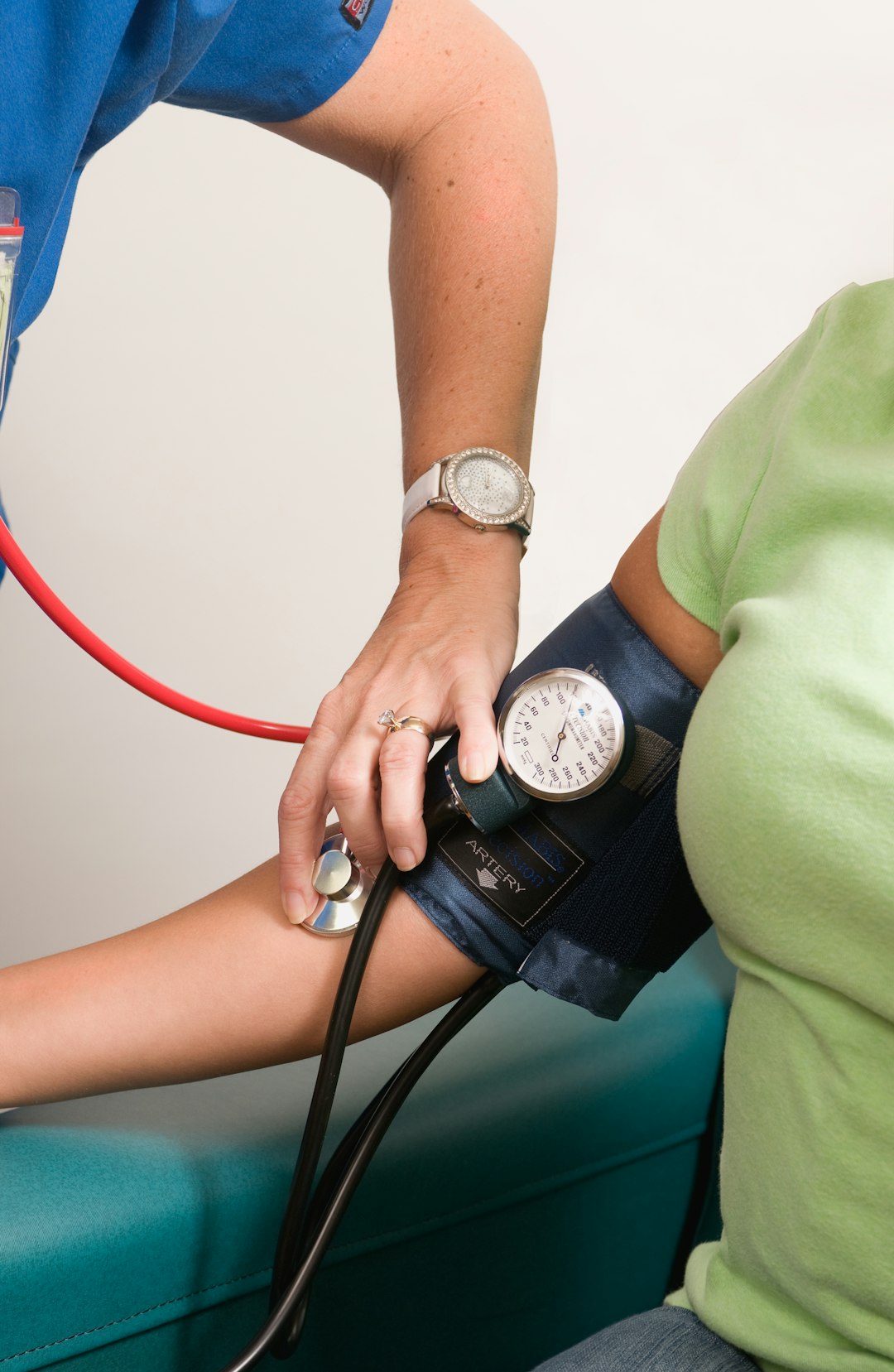
- Get your blood pressure checked regularly
- Ask if you need labs done, like cholesterol or blood sugar
- Get screenings for cancer (the right ones for your age and gender)
- Stay on top of vision and dental appointments
Can't remember it all? Set a calendar reminder. Or just ask your doctor, "What should I check this year?"
How can you make healthy habits stick?
Let's be realstarting something new is tough. Want wellness strategies that work?
- Start small: Pick one habit at a time. Walk after dinner for 10 minutes. Swap soda for water at lunch.
- Pair it with something you already do: Brush your teeth? Floss right after. Watch TV? Stretch during ads.
- Celebrate wins: Mark off days you keep your promise. Brag to a friend. Little rewards help.
No one gets it perfect. Miss a day? You haven't failed. Try again tomorrow.
Understanding Health Screenings and Checks
Which screenings actually matter?
This depends on your age, gender, and family history. But here are common ones most adults need:
- Blood pressure check (at least once a year)
- Cholesterol test (age 20+ every few years)
- Blood sugar test for diabetes (especially if overweight or family history)
- Colon cancer screen (age 45+ or sooner if risk is higher)
- Breast cancer screen (mammogram for women, age varies)
- Cervical cancer screen (Pap smear, every 3-5 years for women, ages 21-65)
- Prostate cancer advice (talk to your doctor if you're 50+ or have family risk)
Screenings might sound scary, but most are quick or simple. They're way easier than treating a problem that got missed for years.
What if you don't have insurance or hate the doctor?
It's a real problem for tons of people. Look for community clinics or sliding-scale programslots offer basic health screenings. Some pharmacy chains also do free blood pressure or glucose checks.
And if doctor's offices make you anxious? Bring a friend, write down what you want to ask, and focus on small steps. Even showing up is a win.
Common Mistakes With Preventive Health
No one does this perfectly. Watch for these honest slip-ups:
- Skipping checkups because you "feel fine" (serious problems often hide at first)
- Not finishing a series of vaccines
- Waiting until you feel sick to call a doctor
- Missing follow-ups after a screening shows something weird
- Thinking healthy living has to be all-or-nothing
One bad meal won't ruin your health, and one missed checkup isn't the end of the world. But don't make skipping it a habit.
Real-Life Ways to Work Preventive Care Into Your Week
I get itlife is busy. Between work, family, and everything else, sticking to a preventive care routine feels impossible. Try these real-life hacks:
- Set all your checkups for the same month each year (it's easier to remember and plan)
- Keep a basic health log on your phone (note test dates or medications)
- Ask your doctor for a "roadmap" at your annual visit so you know what to tackle next
- Rope in a friend or family memberbook checkups together or share reminders
- Make it part of something fun (grab lunch after your appointment or walk in the park before a lab visit)
Do what works for you. There's no right or wrong way, as long as you stick with it.
Big Wins That Come With Preventive Health
You might wonder, "Is all this really worth it?" Here's what you get out of sticking with preventive health and wellness strategies:
- Catch problems earlysmaller issue, easier fix
- Save money (emergencies usually cost way more than prevention)
- Feel better day to dayenergy, mood, and even sleep can improve
- Peace of mind (you know you're on top of things)
- Set an examplekids and friends see what you do and follow
I've seen people finally take their blood pressure pill, start short walks, and skip a whole season of colds they usually get. Small, steady changes add up faster than you'd think.
Recap: How to Make Preventive Care a Habit
Don't wait for a scare to make health changes. Choose one thing to do this weekcall for a checkup or add five minutes of movement a day. Add a new habit when you're comfortable. If you fall behind, that's normaljust keep trying. A healthier, longer, and easier life often starts with one small step.
Frequently Asked Questions About Preventive Care
- What is preventive care and why is it important?
Preventive care means going to the doctor, getting tests, and making small lifestyle changes before you get sick. It matters because it can stop serious health problems and saves you money and stress in the long run. - How do I know which screenings I need?
Ask your doctorthey'll look at your age, gender, and family health history. Most people need blood pressure, cholesterol, and certain cancer tests. Every person is a little different, so don't copy someone else's checklist. - Can I practice preventive health if I don't have insurance?
Yes. Look for walk-in clinics, health fairs, or local programs. Pharmacies sometimes do blood pressure and glucose checks for free. Even low-cost clinics offer basic screenings. Doing something is better than skipping everything. - What are some easy wellness strategies I can start now?
Try going for a short walk each day, eating more veggies, using sunscreen, washing your hands, and getting enough sleep. These habits don't cost much and make a real difference over time. - How often should I get routine checkups?
Most adults should see a doctor once a year for a general checkup. If you have a chronic condition or take medications, you might need to go more often. Always ask your doctor what makes sense for you. - What should I do if I'm nervous about seeing the doctor?
It's normal to feel nervous. Bring a list of questions, ask a friend to go with you, or talk about your worries with the doctor. The important thing is to go, even if it feels weird at first. Over time, it gets easier.