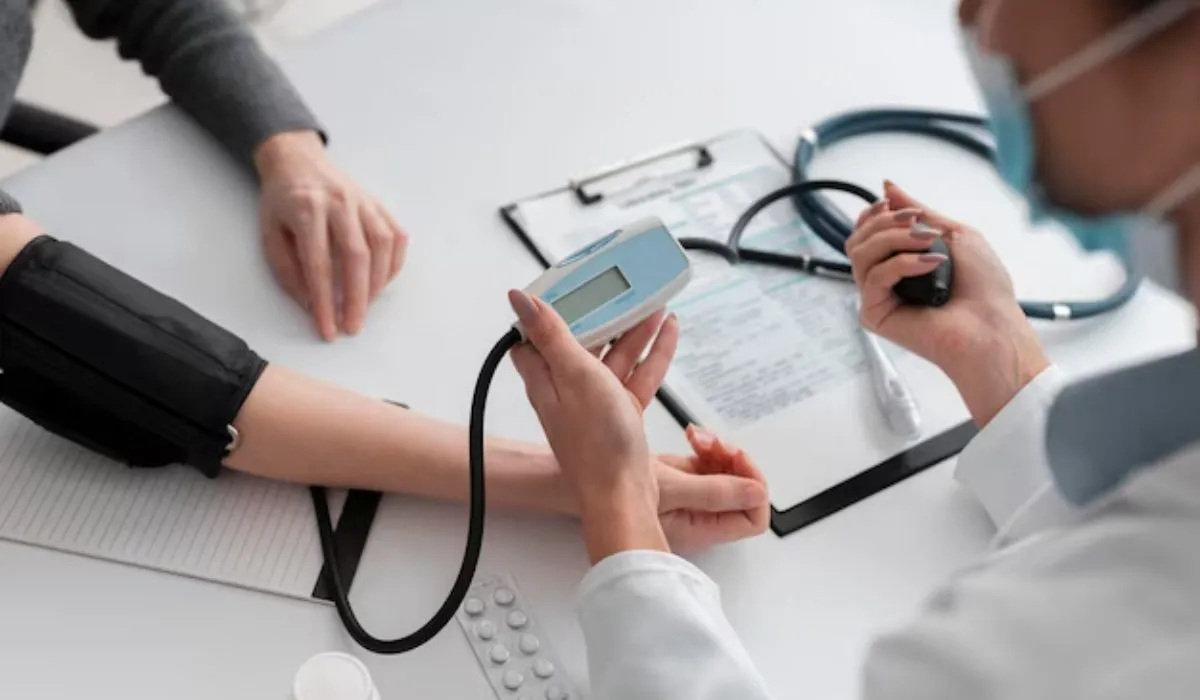
Think of your body like a amazing, high-tech car. You wouldn’t wait for the engine to smoke before you put oil in it, right? You get regular check-ups to keep it running smoothly for years. Our bodies are the same. Preventive health screenings are like those regular check-ups. They are simple tests and exams that help find potential health issues early, often before you even feel sick.
Finding a problem early usually means it’s easier to treat and manage. These screenings are a key part of taking charge of your well-being. This guide will explain what they are, why they are so important, and which ones might be right for different stages of life.
What Are Preventive Health Screenings?

Preventive health screenings are not for when you have a symptom like a cough or a pain. They are for when you feel perfectly fine. The goal is to look for hidden risks or early signs of common diseases.
Imagine a security system for your house. It doesn’t wait for a robber to break in; it looks for suspicious activity to stop a problem before it starts. Screenings work in a similar way for your health. They can include blood tests, physical exams, scans, and questionnaires.
These routine medical check-ups are a cornerstone of proactive health management. They move the focus from treating illness to maintaining wellness.
Also read :- Health Insurance Planning: How to Choose the Right Coverage for Your Needs?
Why Early Detection Through Screenings is a Game Changer
Why go to the doctor when you feel healthy? The answer is simple: early detection saves lives. Many serious conditions are much more treatable in their initial stages.
For example, finding high blood pressure early through a simple blood pressure check can prevent heart disease or a stroke later. Catching certain cancers at a very early, localized stage dramatically increases the success rate of treatment. These health check-ups for early disease detection provide a powerful advantage.
They also give you peace of mind. Knowing your numbers—like cholesterol and blood sugar—helps you make informed choices. It’s the foundation of long-term wellness strategies.
Your Personalized Screening Timeline: What to Get and When
Not everyone needs the same screenings at the same time. Your recommended health tests by age depend on your age, sex, family history, and personal health habits. Here is a general timeline based on age-specific health screening guidelines.
Screenings in Your 20s and 30s: Building a Healthy Baseline
This is the time to establish a baseline. Your body is resilient, but building good habits is key.
-
Blood Pressure: Checked at least every 2 years if normal.
-
Cholesterol: A baseline test is often recommended in your 20s.
-
Skin Check: An annual dermatological examination for skin cancer is smart, especially if you have a family history or spent time in the sun.
-
Cervical Cancer Screening (Pap Test): For women, this begins at age 21.
Preventive Health Screenings in Your 40s and 50s: Staying Proactive
This is a crucial decade for midlife health assessments. Several important screenings begin or become more frequent.
-
Colorectal Cancer Screening: This usually starts at age 45. A colonoscopy for colon cancer prevention is a common and highly effective method.
-
Diabetes Screening: Testing blood sugar for type 2 diabetes risk assessment becomes more important, especially if you have risk factors.
-
Breast Cancer Screening: For women, mammograms for breast cancer detection typically start around age 40 or 50, depending on guidelines and personal risk.
-
Prostate Cancer Screening: For men, discussions about PSA tests for prostate health often begin in their 50s.
Essential Health Exams in Your 60s and Beyond
Continued vigilance supports healthy aging.
-
Bone Density Scan: For women, this test for osteoporosis is recommended around age 65.
-
Abdominal Aortic Aneurysm Screening: A one-time ultrasound for men aged 65-75 who have ever smoked.
-
Hearing and Vision Tests: These become part of regular senior health screening protocols.
-
Annual Wellness Visits: These Medicare-covered visits focus entirely on preventive care and health maintenance.
Beyond the Basics: Screenings Based on Your Family History
Your family’s health history is a powerful clue. If close relatives had heart disease, diabetes, or certain cancers, you may need earlier or more frequent screenings. This is called family history-based preventive care.
For instance, if a parent had colon cancer at 45, you might need your first colonoscopy for colon cancer prevention ten years earlier than their diagnosis age. Always share your detailed family history with your doctor.
How to Make Screenings Part of Your Life
The idea of tests can feel overwhelming. Here’s how to make it simple:
-
Start with a Conversation: Talk to your doctor at your next routine medical check-up about which screenings you are due for.
-
Schedule Them: Put them on your calendar like any other important appointment.
-
Understand Your Insurance: Most insurance plans cover recommended preventive services at 100%—meaning no cost to you. Check with your provider.
-
Prepare for Your Visit: Follow any instructions, like fasting before a blood test, for accurate results.
Taking the Next Step for Your Health
Your health is your most valuable asset. Preventive health screenings are a simple, powerful tool to protect it. They are an act of self-care that empowers you with knowledge.
Don’t wait. Talk to your healthcare provider at your next visit and ask, “Based on my age and history, what preventive screenings am I due for?” Taking this step is a positive, powerful move toward a longer, healthier, and more vibrant life.
Your Questions Answered: Preventive Screening
Q: I feel great. Do I really need these screenings?
A: Yes! Many conditions, like high blood pressure or high cholesterol, have no symptoms in the early stages. Screenings find these “silent” issues so you can address them before they cause problems.
Q: Are screenings scary or painful?
A: Most are very simple and cause little discomfort. A blood draw is a quick pinch. A mammogram involves brief pressure. The small, temporary discomfort is far outweighed by the potential benefit of catching a serious issue early.
Q: How often do I need to get screened?
A: It depends on the test and your personal health. Some are yearly, like a flu shot. Others, like a colonoscopy, might be every 10 years if results are normal. Your doctor will give you a personalized schedule.
Q: What’s the difference between a screening and a diagnostic test?
A: A screening is done when you have no symptoms, to look for potential problems. A diagnostic test is done because you have a symptom, to figure out what’s causing it.