You know the saying, what you don't know can't hurt you? That's not true when it comes to your health. Tons of people walk around feeling fine while something's brewing insidemaybe high blood pressure, high cholesterol, or even early diabetes. These things usually don't come with warning signs until they're a real problem. That's why health screenings matter so much. They catch what's hiding before it causes trouble. And yes, some screenings work so fast that you get answers instantly.
What Are Health Screenings Anyway?
Think of health screenings as check-ins for your body. They're tests or exams you doeven when you feel perfectly fineto spot things early. Instead of waiting for something to go wrong, you're looking out for your future self. Early detection tests work for stuff like heart disease, diabetes, cancers, and more.
- Blood pressure measurement
- Cholesterol tests
- Blood sugar checks
- Eye exams
- Cancer screenings (like mammograms or colonoscopies)
The whole point? Spot hidden health issues before they turn serious. That way, you can handle them sooner and avoid bigger headaches later.
Why Bother With Health Screenings If You Feel Fine?
Most problems don't start with a big red warning light. Heart attacks, strokes, and some cancers build up quietly. By the time symptoms pop up, things might already be bad. Getting a preventive health checkup is like checking your car's oilyou'd rather find problems early before your engine blows up.
Lots of people avoid screenings because they're busy, worried about the cost, or think nothing could be wrong. Here's the thing: skipping out now can make everything harder and pricier later. A quick screening can add years to your life (and save you money down the road).
Which Health Screenings Are Total Game-Changers?
Some tests are classics for a reason. They're fast, easy, and can change your life if they find something early. A few you shouldn't skip:
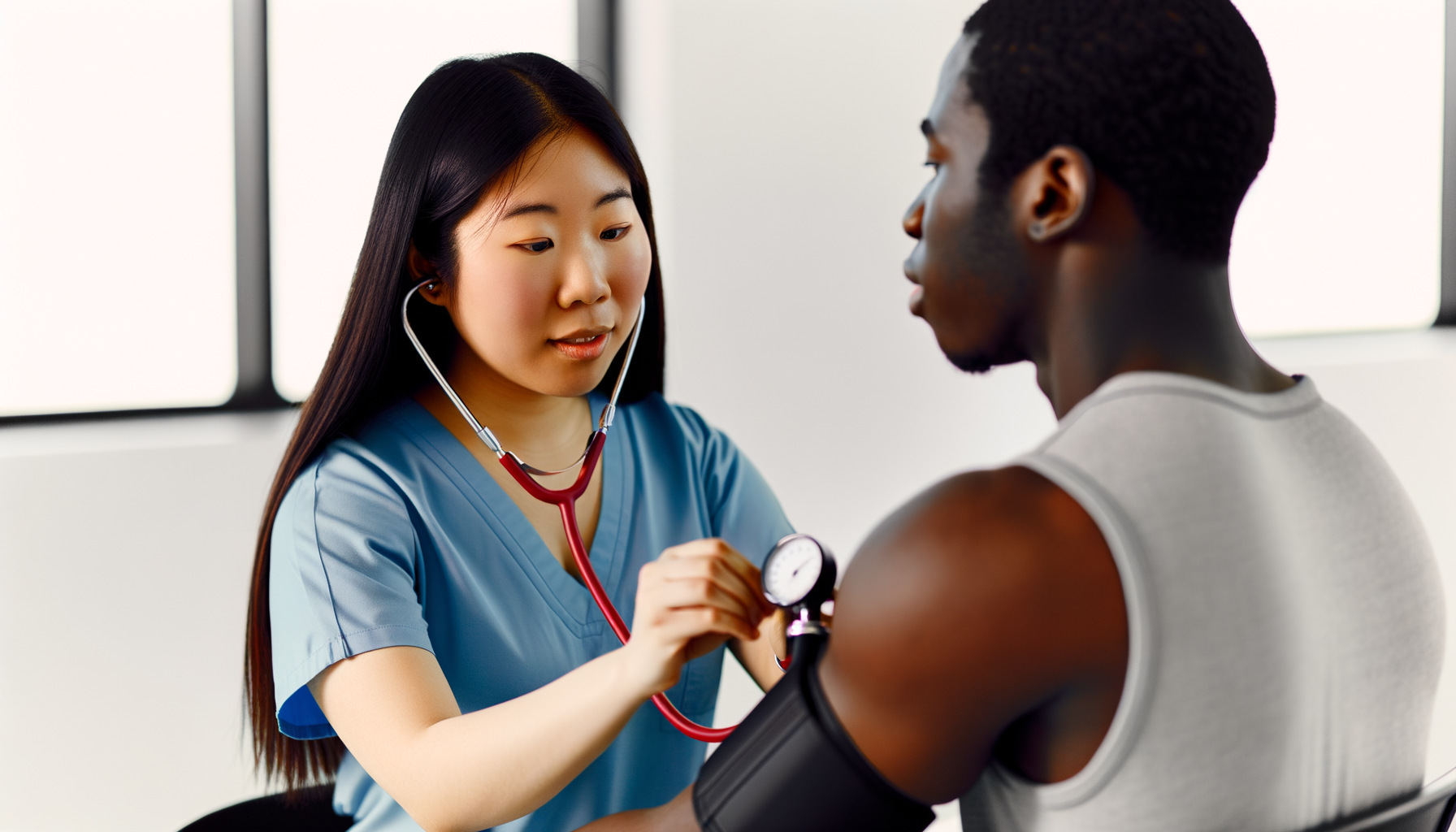
- Blood pressure test Takes one minute in a pharmacy or doctor's office.
- Blood sugar test (glucose) Just a tiny finger prick, and you instantly learn if you might have diabetes.
- Cholesterol check A small blood draw, results in minutes with some machines.
- Skin checks Can spot weird moles or signs of skin cancer, often during a regular doctor visit.
- Vision and hearing tests Quick and non-scary, can catch problems you didn't know about.
Then there are the early detection tests that catch things super early: mammograms for breast cancer, colonoscopies for colon cancer, and bone scans for osteoporosis.
How Fast Can Screenings Really Detect Something?
Some medical screening tests are so quick you get answers while you're still in the office. Others take a bit longer because labs need to do more work. Here's what you can usually expect:
- Instant tests: Blood pressure, finger-prick blood sugar, rapid cholesterol, vision checks
- Short wait (a few hours or a day): Most detailed blood tests, urine samples
- Longer but still worth it: Mammograms, colonoscopies, or scans (could take a day or two for results)
Don't put off a test just because you think you'll wait forever. A little time beats getting caught off guard by something big later.
What Are the Most Commonly Missed Health Problems?
Hidden health issues don't always show up with symptoms you notice. These are some that sneak by a lot of people:
- High blood pressure (the "silent killer")
- Type 2 diabetes
- High cholesterol
- Kidney problems
- Vision loss
- Colon or breast canceruntil very late
Most of these sit tight with zero signs at first. That's why screening is your secret weapon. One quick test could be the reason you avoid a crisis down the line.
What Could Go Wrong With Health Screenings?
No test is perfect. Sometimes you get a "false positive" (test says you might have something, but you really don't) or a "false negative" (test misses something that's there). That can be stressful or confusing. Also, not every screening fits everyone. Talk with a doctor you trust about which tests make sense for your age, gender, family history, and any weird symptoms.
The worst mistake? Ignoring something a doctor finds in a screening or putting off follow-up appointments just because you feel fine.
How To Make Health Screenings Part of Your Regular Life
Getting checked doesn't have to be a big deal. You can:
- Schedule annual checkups and ask what screenings are right for you
- Use pharmacy walk-in clinics for things like blood pressure or glucose checks
- Check if your company, school, or insurance offers free health fairs or screening days
- Set reminders on your phone for yearly exams
Think of it as routine self-carelike brushing your teeth or changing your car's oil.
What Happens If A Screening Finds Something?
First, don't panic. A positive result doesn't always mean you have something serious. Your next steps might be:
- Get a follow-up exam or more detailed testing
- Talk with your doctor about what it means
- Sometimes, it's as simple as changing diet, exercising more, or watching things at home
- If it is serious, catching it early usually means more treatment options and a better shot at beating it
The goal isn't to freak you outit's to give you the facts so you can stay in control.
Do At-Home Health Screening Kits Work?
There are more at-home tests than ever: for cholesterol, blood sugar, even some cancer risks. Most are pretty reliable, but they're not magic. If you use one and spot an issue, check with your doctorthey can fill in the blanks and guide you on what to do next. Home kits are a good start, but shouldn't replace regular checkups.
Bottom Line: Take The Guesswork Out of Your Health
Skipping health screenings is like driving with your eyes closed. Most problems you catch early are easier and cheaper to fix. Pick one test, book it this week, and make it a habit. Your future self will thank you for not rolling the dice.
FAQs About Health Screenings
- Q: Which health screenings should I get and when?
A: Most people need basic checks every year: blood pressure, cholesterol, blood sugar, and cancer screenings based on age. Your doctor can help you make a list that's right for you. Starting in your 20s or 30s is smart, and some tests (like mammograms or colonoscopies) start a bit later. - Q: Are early detection tests really that important?
A: Yes! Early detection tests catch problems long before you feel sick. Finding things like diabetes or high blood pressure early means you can fix them before they cause bigger trouble. - Q: Can health screenings find hidden health issues even if I feel fine?
A: Absolutely. That's exactly why they're important. Most hidden health issues have no symptoms at first, so screenings are the only way to spot them before they get dangerous. - Q: Are at-home health kits safe to use?
A: Most reliable brands are safe and easy, but they're not a total replacement for office tests. Use them as a backup or for peace of mind, and follow up with a doctor if you spot something odd. - Q: How much do medical screening tests usually cost?
A: Costs depend on the test and where you live. Many basic screenings are free with insurance or at health fairs. Always check with your doctor or local clinicthere could be affordable options you didn't know about. - Q: What happens if a screening test flags a possible problem?
A: First stepdon't panic. Lots of results need more follow-up to know for sure. Your doctor will explain what the result means, if you need more tests, and what he next steps should be.