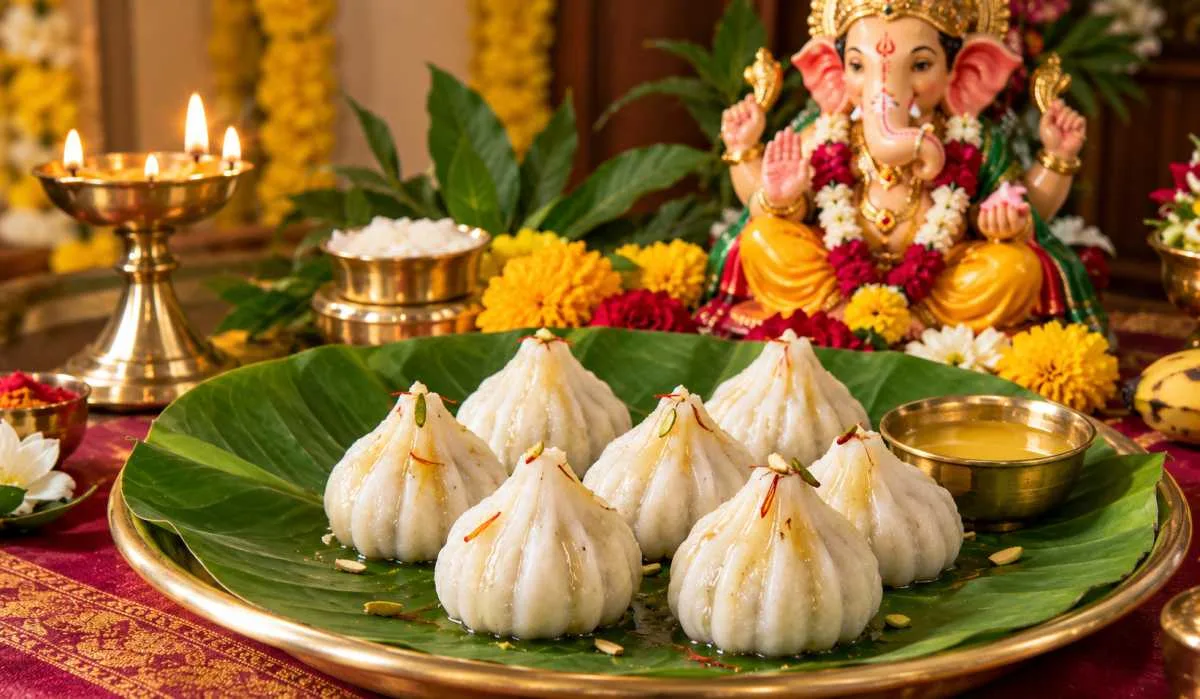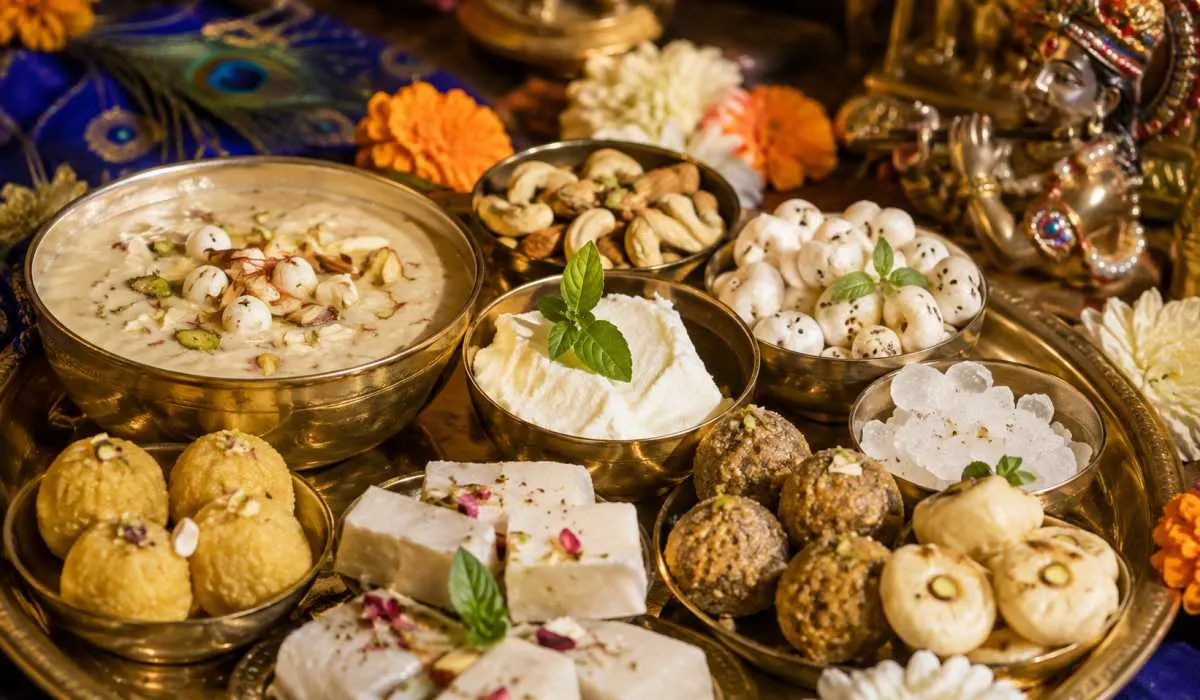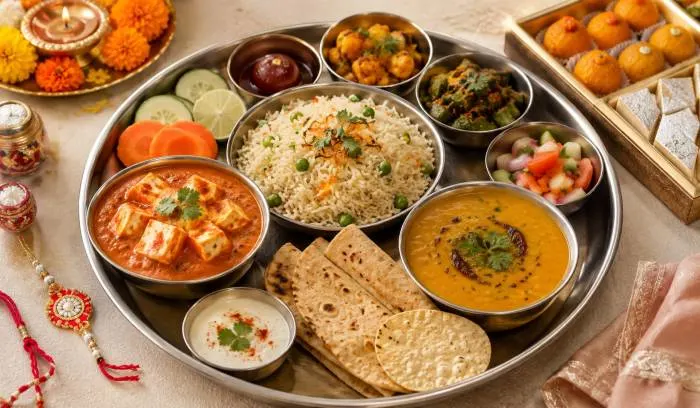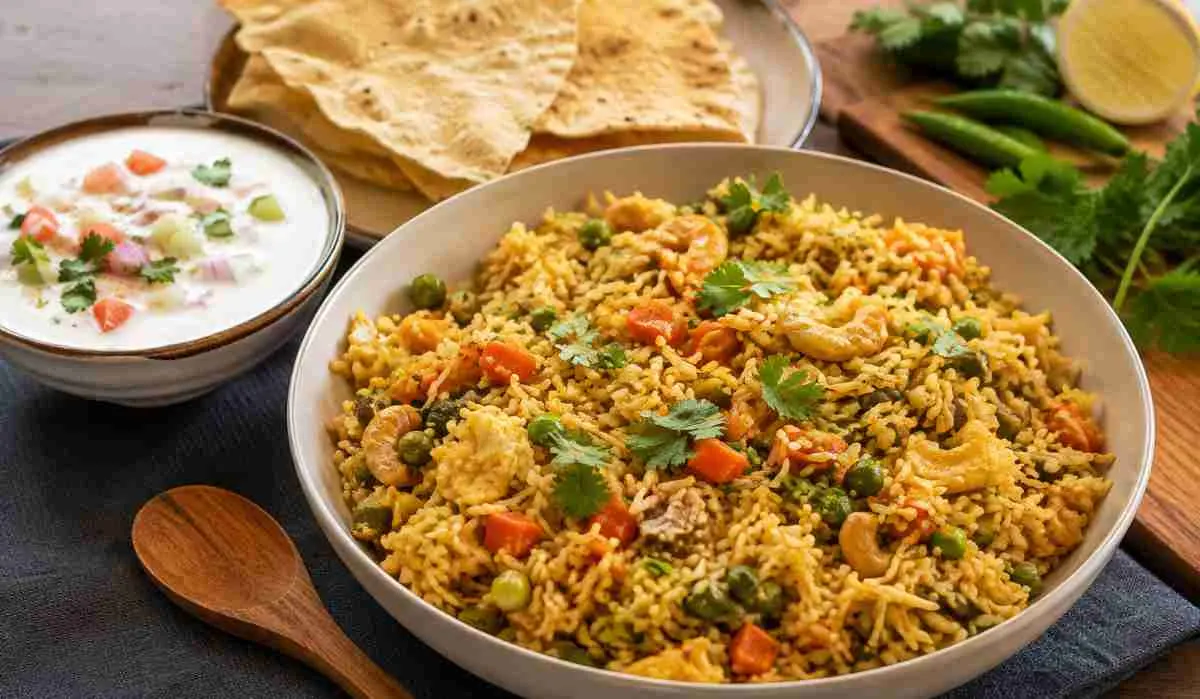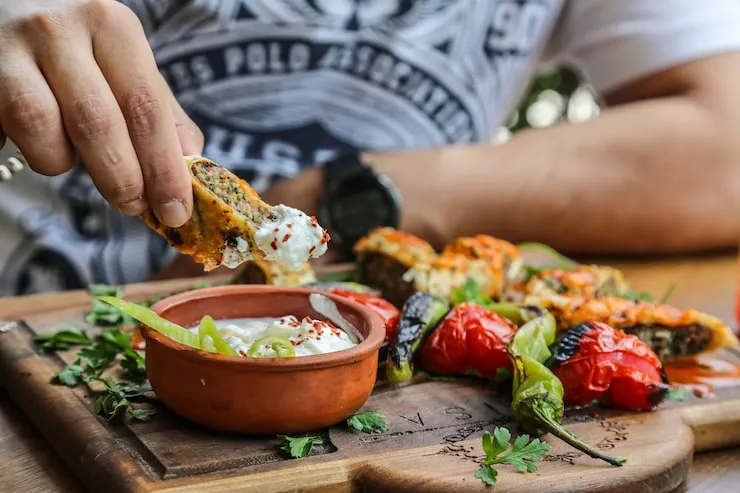
A few years back, travelling meant beaches, museum, long checklist and selfies landmarks, but in 2025, something has shifted – quite but strongly. People are not just booking flights for views anymore. They are travelling for flavours. This whole wave of culinary tourism has changed how we pick destinations , how we spend money and even how we remember trips. And honestly? It makes sense. Think about your last trip. You probably remember one special meal from vividly a monument. Maybe a bowl of Ramen in Tokyo at 2 AM. Hot chocolate in Paris on a rainy Day or Street tacos eaten standing on a corner in Mexico City. Food sticks with us. Literally and emotionally. That is why culinary tourism in 2025 has taken over travel in a new way. People are itching for experiences that feel real – meals cooked by locals, food tours in hidden neighbourhood, markets, buzzing with life and dishes used simply cannot recreate at home. Let us walk through how this trend in shaping modern travel.
Food is becoming the reason to travel – not just a bonus
Earlier people travelled first and figured out food later. Now it is the opposite. Folks pick places because of what they want to eat. A couple might say, let’s go to Osaka because we want to real Tokyo Yaki. Or a group of friend might choose Italy because someone saw a viral pasta video at 2 AM. And honestly, no one is judging. Food gives you a sense of culture faster than any tour.
What’s driving the shift?
– Social media food content exploding
– Travellers want taste based itineraries
– Younger tourist want immersive experiences
– People trust local flavours, more than global chain
Food is the new landmark.
Local experiences are finally winning
In 2025, tourists are not satisfied with the tourist person of a dish anymore. They want the real thing – the messy, flavourful, grandmother style version. So instant of restaurant near hotel, they are heading to,
– neighbourhood, food charts
– Hidden cafe
– Street market
– Family shops
– Cooking cheese in actual homes
Travelers want to eat, like locals, not like tourist. A lot of destinations have even started adding food districts or culinary walking roads because that is the what people ask for now.
Food tours are becoming a must do activity
Earlier, guided tour history or architecture. Now? The most booked tours or travel apps are food tours. In 2025, food tours look like,
– Night market travels
– street food like bike tours
– Breakfast only city tour
– Desert trials
– Farm to table countryside trip
– Wine and cheesy picnic led by local
People are not embarrassed to plan their either trip around eating. They are proud of it.
Cooking classes are the new souvenirs shops?
This might be the cutest trend. Instant of buying keychain, magnetic, random marks travelers in 2025 are returning home with recipes and cooking skills from the places they visited. It is a huge right now,
– Pasta making in Italy
– Sushi rolling in Japan
– Curry blinding in India
– Pastry workshop in France
– Taco making in Mexico
Learning how to cook the food becomes part of the travel memory, and honestly it is the something you can show off forever.
Culinary tourism is helping a small business boom
This is one of the nicest things about the trend. Restaurant that never used to be and tourist maps – simple mom and pop shops, tiny stores, local Bakers and certainly have visitor lining up outside.
Why?
Because food lovers talk. And they review. And they post online.
A street vendor with a 10 second viral video can gain customers from five different countries in one week. Culinary tourism is lifting money from Hu Chain and travellers get authentic food in return. Everybody win.
Travelers want a story based food in 2025
This is big one. People want dishes that means something. Travellers now ask things like,
– Who taught you this recipe?
– Why is this – important to the region?
– How old is this restaurant?
– What is the story behind this spice?
People do not want to eat – they want to connect. If our restaurant has a grandmother cooking in the bag, using a decades, old recipe, that place becomes a must visit instantly.
Food seasons are becoming travel seasons
Earlier travel season are based on weather. Now? Four season are taking over. People travel for ,
– Cherry blossom treats in Japan
– Truffle season in Italy
– Winter markets in Germany
– Mango season in India
– Wine harvest in France
– Seafood season in Portugal
Instant of summer vacation, people are say things like we are going to Spain during Olive harvest season
This is the new normal
Travel planning apps are adding food tool
Travel platforms in 2025, now include,
– Maps
– Allergy friendly restaurant for suggestions
– Local chef recommendations
– Popular food influencers list
– Culture food adequate guidelines
– Vegetarian, vegan, gluten free guides
Food has officially become part of the planning, not an after thought.
Wellness with food tourism is rising
People do not only travel to indulge, they also travel to heal and food plays a huge part. In 2025 wellness travel often includes,
- – Plants based retreats
- – Organic farm stays
- – Ayurvedic and detox programs
- – Fermentation workshops
- – Healthy cooking sessions
- – Tea and cacao ceremonies
Travelers want Nourishment for both body and mind.
Fusion cuisine is encouraging travel, crossovers
As chefs experiment, globally, travellers are curious. They want to see how culture blend’s flavours. For example,
- – Korean tacos in Los Angeles
- – Japanese Peruvian food in Lima
- – French Vietnamese blend in Hanoi
- – Indian British pubs in London
- – Middle eastern Mediterranean bowls in Dubai
This fusion fever makes travellers hope between countries to experience new combinations.
People travel to fix cravings, they cannot satisfy at home
One funny, but very real reason forthis boom, Sometimes you crave something, your city simply does not offer. You want,
- – Real nepotism pizza
- – Proper French pastries
- – Hong Kong egg waffle
- – New York bagels
- – Lebanese Shawarma
- – Thai boo noodles
You just go. Food cravings have become travel triggers.
Culinary tourism makes travel more personal
In 2025, travellers want trips that feel meaningful and shared meals naturally become the most emotionally charged moment. food builds connection.
- – Couples bond over winetasting
- – Families laugh together during cooking classes
- – Friends share, silly food moments
- – Solo travellers, find comfort in street food stalls
You travel hungry, and come back with stories.
Frequently asked questions
– Is culinary tourism, expensive?
It depends. Street food cities like Bangkok or Hanoi are super affordable. Find dining destinations like Paris will cost more.
– Do I need a foodie to enjoy food based travel?
Not at all. If you enjoy trying something new, you will love it.
– Our food tours worth it?
Yes – especially night tours or local market tours. You learn way more than you expect.
– What if I have dietary restrictions?
Most destinations now have guides for vegan, gluten-free, Halaala or allergy friendly travellers. 2025 is much better for food safety.
– Culinary tourism work for families?
Absolutely. Kids, especially love, desert tours, chocolate moose, and cooking workshop.
Conclusion
Culinary tourism is not site trend anymore – in 2025, it has become one of the biggest tree people travel. Food brings comfort, curiosity, and nostalgia with excitement all at once. It connects traveller with locals, support, small businesses and turns journey into flavourful stories. Whether it is a bowl of noodles and a noisy street or a fancy tasting menu in a quiet restaurant, food experiences, stay in your memory long after the trip, and and that is why more travellers today choose with their stomach and their hearts.