Tuscany — a land of rolling hills, vineyards, olives, and ancient stone farmhouses — is one of the culinary capitals of the world. Its food reflects centuries of tradition, a profound respect for seasonal produce, and a deep connection to both land and community. Imagine spending two unforgettable days immersed in this culture, learning hands-on from expert chefs, mastering Italian culinary techniques, and discovering the secrets behind traditional Tuscan fare. That’s the promise of the Transform MasterChef in 2 Day Cooking Classes in Tuscany — an immersive experience designed for food lovers, aspiring chefs, and adventurous travelers alike.
In this blog, we’ll take you through what makes these classes extraordinary, what you can expect from your time in Tuscany, how the experience can transform your culinary skills, and why this journey is so much more than just learning to cook.
A Culinary Journey in the Heart of Italy
Tuscany is a region where food is life. From the humble ribollita (a hearty vegetable and bread soup) to the refined simplicity of pici pasta drizzled with garlic and olive oil, every dish tells a story. These cooking classes are set against the backdrop of rolling emerald hills, cypress-lined roads, and sun-drenched vineyards — a setting that inspires creativity and evokes a deep appreciation for the authentic Italian lifestyle.
Whether it’s your first time cooking Italian food or you’re a seasoned home cook looking to elevate your skills, this two-day course offers something for everyone. Experienced instructors lead each session, blending hands-on learning with cultural insights, personal stories, and plenty of laughter.
Day 1: Discovering Tuscan Fundamentals
Morning: Welcome and Market Visit
The experience begins with an authentic Italian morning ritual — a visit to a local farmers’ market. Here, you’ll stroll among vibrant stalls overflowing with seasonal produce: plump heirloom tomatoes, fragrant herbs, crisp artichokes, earthy porcini mushrooms, and wheels of pecorino and parmigiano-reggiano.
Your chef-instructor will guide you through selecting the freshest ingredients — a vital lesson in Italian cooking. You’ll learn how to choose produce based on color, texture, and aroma, and discover how to forge a connection with the farmers who cultivate these treasures. This interaction with local producers is a highlight in itself and offers a glimpse into the food culture that has sustained Tuscan families for generations.
Late Morning: Introduction to Kitchen Techniques
Once back at the farmhouse kitchen — often a rustic yet elegant space with terracotta tiles, long wooden tables, and views of vineyards — the class begins in earnest.
You’ll start by learning foundational techniques:
-
Making fresh pasta dough by hand
-
Kneading and shaping dough
-
Preparing classic Italian sauces
-
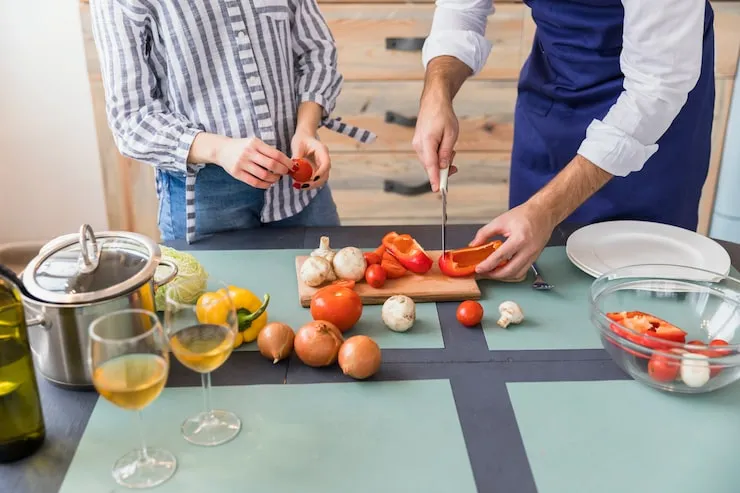
Knife skills and vegetable preparation
The instructor emphasizes simplicity and respect for ingredients, encouraging you to feel the texture of the dough, smell the herbs, and taste as you go.
Afternoon: Hands-On Cooking
With the basics covered, it’s time to cook. Day one dishes are typically Tuscan staples that showcase both tradition and technique. Examples include:
-
Hand-made pasta such as pici, tagliatelle, or ravioli, paired with a rich ragu or vibrant pesto
-
Bruschetta with heirloom tomatoes and basil
-
Crostini with chicken liver pâté — a Tuscan specialty
-
Classic insalata mista made with freshly picked greens
Each participant gets their own station and is guided through every step, ensuring that you not only follow recipes but understand the reasoning behind every technique.
Evening: Shared Feast and Wine Pairing
After hours in the kitchen, you’ll sit down to enjoy the fruits of your labor. This meal — often enjoyed family-style around a long table — isn’t just dinner; it’s a celebration of learning, collaboration, and newfound friendships.
To complement the food, local Tuscan wines such as Chianti or Vernaccia di San Gimignano are served. Your instructor will explain how to pair wines with dishes, deepening your understanding of Italian dining culture.
Day 2: Advanced Techniques and Farm-to-Table Philosophy
Morning: Foraging and Olive Oil Tasting
Day two often begins with a foraging walk or an olive oil tasting session. Tuscany’s landscape offers more than vineyards; wild herbs, mushrooms, and greens thrive along paths and fields. An expert guide helps you identify edible plants, teaching you how to incorporate them into your cooking.
The olive oil tasting is also enlightening. You’ll learn how to taste oil like a sommelier — identifying fruity, bitter, and peppery notes — and understand why Tuscan olive oil is prized around the world.
Late Morning: Second Round of Cooking Classes
The cooking on day two focuses on more advanced techniques and dishes. You might prepare:
-
Homemade filled pastas, such as cappelletti or tortelli
-
Risotto with seasonal ingredients, mastered through precise timing and stirring technique
-
Slow-cooked meats, such as braised beef or porchetta
-
Traditional Tuscan desserts, like cantucci with Vin Santo
As always, expert instructors work closely with you, offering tips and tricks that elevate your cooking beyond the basics.
Afternoon: Plating, Presentation, and Italian Dining Etiquette
Great food deserves great presentation. On the final afternoon, you’ll learn plating techniques that make your dishes not only taste amazing but look beautiful too. You’ll also be introduced to Italian dining etiquette — from how to elegantly use a fork and knife, to the correct sequence of courses in a traditional Italian meal.
This session transforms your culinary knowledge into a complete dining experience — honoring not just flavors, but tradition, grace, and conviviality.
Final Feast and Certificate Ceremony
The experience culminates in a final meal, where you showcase the dishes you’ve created. Family members, friends, or fellow travellers gather to enjoy this feast alongside you. There’s laughter, toasts, and a sense of accomplishment in every bite.
At the end of the meal, you’ll receive a certificate of completion — a testament to your culinary transformation in just two days. It’s a memorable keepsake, and for many, the beginning of a lifelong passion for Tuscan cooking.
What Makes This Experience Transformative?
1. Hands-On Immersion
Rather than watching demonstrations or following along passively, you cook every dish yourself. This immersive approach accelerates learning and builds confidence in your skills.
2. Expert Guidance
Classes are led by experienced chefs and food artisans who bring tradition, technique, and personal stories to each lesson. You’re not just learning recipes — you’re learning the why behind techniques.
3. Cultural Context
This isn’t just a cooking class — it’s a cultural immersion. From market visits and foraging walks to olive oil tastings and shared meals, you experience the Tuscan way of life.
4. Farm-to-Table Philosophy
The emphasis on fresh, local ingredients cultivates a deep respect for where food comes from. You begin to understand why simplicity — letting ingredients shine — is at the heart of Italian cuisine.
5. Lasting Skills
By the end of the two days, you won’t just have cooked a few dishes — you’ll have learned techniques and principles you can carry home. Many past participants report that these classes have reshaped how they cook forever.
Who Should Take These Classes?
These cooking classes are perfect for:
-
Food lovers who want to experience authentic Italian cuisine
-
Aspiring chefs looking to build foundational skills
-
Home cooks seeking to expand their repertoire
-
Travelers craving cultural immersion, not just sightseeing
-
Couples or friends looking for an unforgettable shared experience
No previous cooking experience is required — just curiosity, enthusiasm, and a love for good food.
Practical Tips for Participants
What to Bring
-
Comfortable clothing and non-slip shoes
-
Notebook or phone to jot down recipes and tips
-
Appetite (and a sense of adventure!)
Seasonal Considerations
Tuscany changes with the seasons. In spring and summer, markets overflow with fresh produce, while autumn brings mushrooms, truffles, and harvest festivals. Winter offers hearty dishes and cozy kitchen moments — each season delivering unique flavors.
A Word on Dietary Restrictions
Most programs can accommodate vegetarian, gluten-free, or other dietary needs — just communicate your requirements in advance.
Final Thoughts
Two days in Tuscany might seem short — but when they’re spent immersed in hands-on cooking, exploring markets, tasting exquisite wines, and learning from passionate chefs, those 48 hours can transform the way you approach food forever.
More than just cooking classes, this experience connects you to a culture that celebrates life through food, seasonality, and community. You’ll return home not just with recipes, but with memories, skills, and a deeper appreciation for the art of Italian cuisine.
So if you’ve ever dreamed of making fresh pasta in the heart of Tuscany, pairing your dishes with local wine, and learning from the best, the Transform MasterChef in 2 Day Cooking Classes Tuscany might just be the culinary adventure of a lifetime.