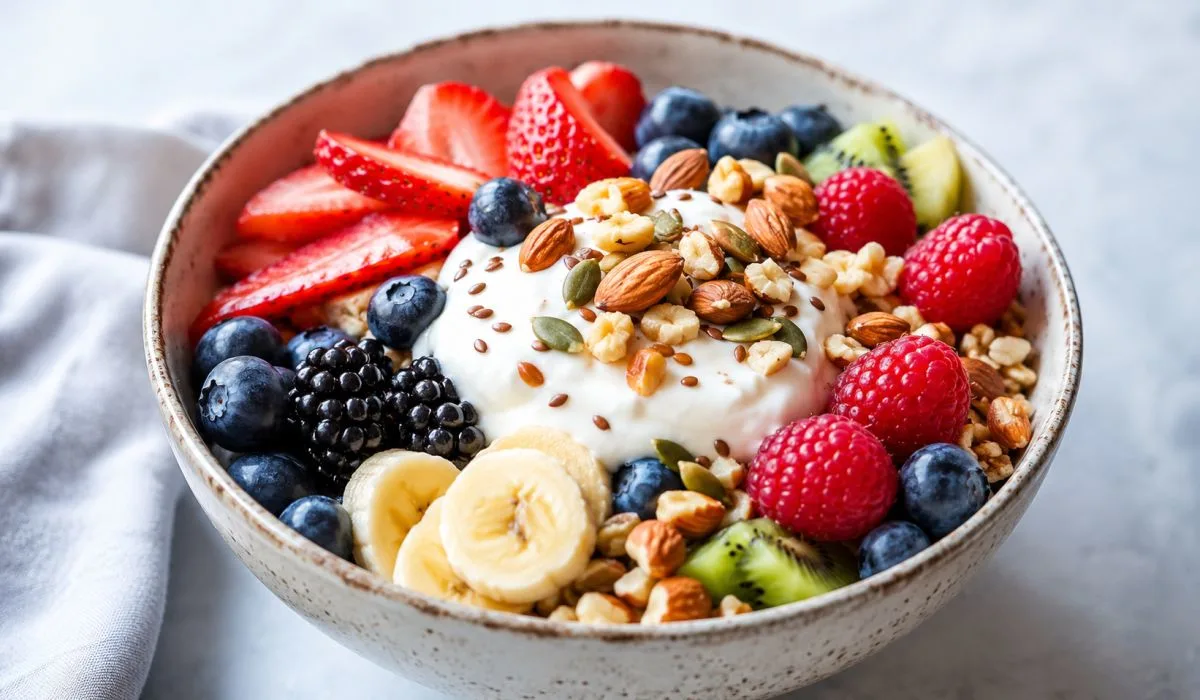
You know the feeling: You want to eat better and help the planet, but it all sounds expensive or impossible. The truth? Small changes in how you shop, cook, and eat make a huge difference for both your health and the environment. These sustainable food tips aren't about perfection or buying a bunch of fancy products. It's about smart, doable choices that add up over time. If you want your meals to matter, this is where to start.
What does "sustainable food" even mean?
Sustainable food is about more than salads or skipping the plastic bag at the store. It means choosing foods that are healthy for your body and produced in ways that don't trash the planet. Think less waste, fewer chemicals, and more real flavor. At its core, it's eating in a way that helps both you and the environment.
- Eating what's grown nearby
- Choosing food made with less energy and water
- Wasting lessuse what you buy
- Picking foods that are good for your health (and the earth)
This isn't a hipster trendit's a real way to eat well and feel better.
How can I make meals more eco-friendly?
Eco-friendly cooking isn't about specialty gadgets or expensive ingredients. Most of the time, it's about using what you have, making smart swaps, and not letting food go to waste. Here's how:
- Buy local produce: Support nearby farmers, get fresher veggies, and skip the shipping costs (and carbon footprint)
- Use less meat: Try a "meatless Monday" or swap half the meat in casserole for beans or lentils
- Cook in batches: Saves time, power, and money (plus, less temptation to order out)
Even one of these changes has an impact over a week or month. Try each one for a week and see what sticks.
What are easy sustainable meal ideas?
If you hear "sustainable" and picture sad salads, think again. Green eating habits start with meals you actually want to eat. Here are a handful of ideas even picky eaters or busy cooks will enjoy:
- Veggie stir-fry: Slice up whatever's left in your fridge, toss it in a pan, add soy sauce, maybe some leftover ricewe're talking dinner in 15 minutes
- One-pot soups: Lentils, carrots, whatever herbs you've gotthis works with almost any combo and freezes well
- Sheet-pan dinners: Mix chopped veggies and chickpeas with olive oil and spices, roast, done
- Breakfast for dinner: Make oatmeal with fresh fruit and nuts, or cook your favorite egg dish with toast and greens
The key is using up what's already in your kitchen and keeping flavors you actually crave. Not every meal needs to be Instagram-worthyjust tasty and practical.
How do I build green eating habits?
Sustainable food tips aren't magicthey're habits. And the best habits are the ones you don't even think about. Here are a few ways to make green eating easier:
- Meal plan (a little): Write down a few dinner ideas. It helps you shop smart and waste less.
- Freeze extras: When you have leftovers or half-used veggies, freeze them for later. No more fuzzy stuff in the crisper.
- Use everything you buy: Make a veggie "scrap" soup or toss carrot tops in pesto. Challenge yourself to throw less out each week.
- Keep it real: If you slip up and throw out food or eat takeout, that's okay. It's about improving over time, not being perfect.
Small steps add updon't underestimate the power of a habit shift.
What mistakes should I avoid with sustainable eating?
It's easy to fall into a few traps that make sustainable eating harder (or way more expensive than it needs to be).
- Buying "green" products you don't need: Focus on food, not kitchen gadgets bragging about eco-friendly magic
- Thinking everything organic is better: Local, seasonal food often "beats" imported organics for taste, cost, and impact
- Trying to change everything at once: Start with one change (maybe using all your food for a week), then build from there
- Throwing out what you have now: Use up what you've got, then make the switch where it makes sense
Don't let guilt or overwhelm stall you. Even one step toward sustainable eating matters.
Can sustainable food still taste amazing?
Yes! Healthy sustainable recipes aren't blandthey're loaded with flavor. Sometimes, food that's closer to how nature made it tastes even better. Think about summer strawberries from your local farmstand or soup made from scratch at home.
- Fresh herbs and spices jazz up basic dishes
- Try new grainsquinoa, bulgur, or farro make bowls more interesting
- Don't skip healthy fatsolive oil, nuts, and avocados add richness
- Mix up cuisinesMediterranean, Latin, Asian dishes often highlight plant ingredients and pack a punch
The surprise? Your food gets tastier as you cut out the processed stuff and try new combos.
How do I keep sustainable eating realistic?
There's no trophy for eating perfectly green. Aim to do better than before, not "win" at sustainability. Here are cheat codes that actually work:
- Shop the bulk bins for grains, nuts, and spicesless packaging, less cost
- Eat what's in seasonit tastes better, costs less, and was grown closer to home
- Keep quick, healthy ingredients on hand (frozen veggies, canned beans, eggs, greens)
- Remember that one messy meal or food fail doesn't erase your progress
If you mess up, welcome to the club. Your next meal is another shot, not the end of the world.
FAQ: Real Answers to Sustainable Food Questions
- Q: What is the easiest sustainable food tip to start with?
A: Start with using up all the food you buy. Before you throw out wilted veggies or leftovers, think of one way to use them up. Making the most of what you have fights food waste and saves you money. - Q: Does eating less meat actually help the planet?
A: Yes, even a small cut back helps. Animal farming uses more water and energy than plants. Swapping in beans, tofu, or even a veggie meal once a week cuts your carbon footprint and usually lowers your food bills. - Q: Are local foods always more sustainable?
A: Most of the time, yes. Local foods skip the energy-guzzling travel miles and often use less packaging. The fresher your food, the less waste and the better the taste. But don't stress if you can't buy local every timeit all counts. - Q: How can I find healthy sustainable recipes that aren't boring?
A: Check out cookbooks from the library or search for recipes that use the veggies you already have. Swap in new spices or try a different cuisine. Even a simple stir-fry or soup can be exciting if you change up the flavors. - Q: Do eco-friendly cooking methods make a big difference?
A: Yes, little swaps add up. Covering pots while cooking, using the right pan size, or prepping in batches saves energy and money. Try to cook several things at once, or make a habit of unplugging the oven when it's not in use. - Q: What if no one in my house wants to eat sustainable meals?
A: Start smalladd one tasty new veggie side or meatless recipe a week. Get family or roommates involved in picking new meals. People often change their minds once they taste something good and realize it's not "weird," just different.
Every bite is a chance to do a little better. Choose one sustainable food tip and run with it. Your mealsand the planetwill thank you.