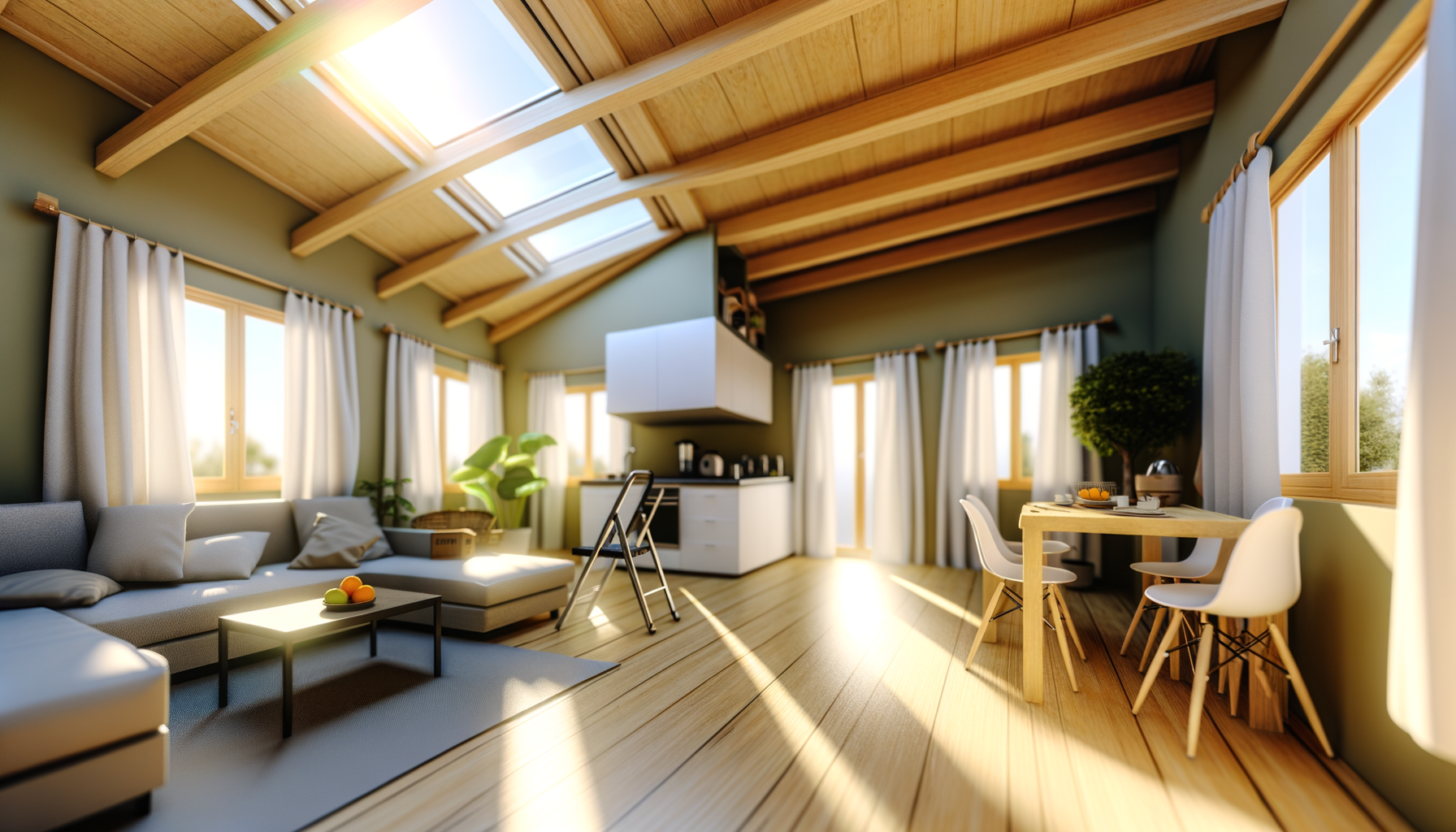
Living in a tiny home isn't only about downsizingit's finding ways to make every corner work harder for you. Ever trip over your own shoes because there's nowhere to put them? Or feel like no matter how much you organize, things spill into your living space? That's where space-saving floor plans for tiny homes come in. With the right layout, even the smallest space can feel roomy, organized, and way less stressful. Stick around and you'll pick up real tips on how to squeeze more living out of less square footage, plus some honest advice about what actually works (and what doesn't).
What Makes a Floor Plan 'Space-Saving' in a Tiny Home?
Not every layout is built equal. A space-saving floor plan is one that prioritizes how you'll use your spacenot just how it looks on paper. Think built-in storage, smart zoning, and multi-purpose areas that swap jobs depending on your needs. A good floor plan should answer: Where do I eat? Where do I work? Where do I relax? If you've got clear answers and nothing feels crammed, that's a solid start.
- Beds that tuck away or double as couches
- Stairs with storage drawers underneath
- Sliding doors instead of swing doors
- Kitchen islands that roll out or fold up
- Loft spaces used for sleep or storage
The key benefit? You get more usable space, less clutter, and, honestly, a little more sanity.
Common Space-Wasters (And Easy Fixes)
First time moving small? It's easy to pick a floor plan that looks cute but forgets about real life. Here are mistakes that eat up spaceplus fixes:
- Big, clunky furniture: Choose pieces that fit the room, not ones that dominate it.
- Long, wasted hallways: Go with open layouts or use hall space for built-in storage.
- Awkward door swings: Switch to sliding or pocket doorsseriously, it makes a difference.
- Unreachable lofts: Add stairs or ladders with storage, not just for show.
- Unused corners: Try shelves, corner desks, or seating nooks.
Small changeslike swapping out a door or adding a shelfcan give you extra inches that stack up over time.
How to Pick the Best Tiny Home Floor Plan for Your Life
Your ideal tiny home floor plan depends on how you live, not just how much stuff you own. Ask yourself:
- Do I need a separate work space, or is a fold-up desk enough?
- Will I cook often, or is a small kitchen okay?
- Do I want open space to stretch out, or do I love cozy corners?
- Am I okay with a loft bed, or do I need a main-floor bedroom?
It's all about honest trade-offs. If you're a night owl who works late, put your sleeping space away from the living zone. Love having friends over? Make room for a couch that converts. The more your layout fits your daily life, the less cramped you'll feel.
Brilliant Storage Ideas That Make a Massive Difference
Storage isn't just closetsit's every gap, nook, and cranny. Here are some favorite tricks from folks who've lived small and stayed organized:
- Shelves that go all the way up to the ceiling
- Benches with hidden storage inside
- Under-bed bins (on wheels is even better)
- Hooks everywheredoors, walls, even the backs of cabinets
- Fold-down tables that vanish when not in use
Be honest: you'll probably have to pare down your stuff a bit, but the right efficient tiny house layouts make what you keep easy to find and use.
How Compact Home Design Ideas Help You Do More With Less
Efficient design isn't just about storageit's about flow. If you have to shuffle sideways to get to your bathroom, or can't open your fridge all the way, it's time to rethink your layout. The best compact home design ideas borrow tricks from boats, campers, and older apartments, where every square foot matters.
- Movable partitions to create privacy without closing stuff off
- Windows that line up for good light and airflow
- Opening up parts of the house with glass or open shelving so it doesn't feel boxed in
- Flexible spaceslike a dining table that doubles as your desk or craft area
It's not about how much space you have, but how well you use it. A better layout can make your home feel twice as big, even when the square footage says otherwise.
What Could Go Wrong? (And How to Avoid It)
Dreaming of efficient tiny house layouts is one thingliving with a bad one is another. Common pitfalls:
- Choosing style over comfort (like a ladder instead of stairs, until you need to pee at 2am)
- Too few windowslight is everything in a small space
- Ignoring what's underfoot: platforms and rugs can trip you up if not well planned
- Not leaving room for guests or hobbies
Test your floor plan before you build, even if you're just walking through with cardboard boxes on the floor. It's way easier to fix mistakes in your head than with a saw.
FAQ: Your Tiny Home Floor Plan Questions, Answered
- What's the best way to maximize space in a small home?
Start by making sure every item has its own spot, and use furniture that serves more than one purpose. Built-in storage, lofted beds, and folding tables work wonders. The less floor clutter you have, the more open your home will feel. - How do I pick an efficient floor plan for my tiny house?
List your must-haves (like a real kitchen or a comfy work space), then look for layout options that fit those needs. Walk through your daily routine in your head. If something feels cramped or awkward, thats a sign to tweak the design. - Are lofts a good option for saving space?
Lofts are great for sleeping or extra storage since they free up main floor space. But think about how youll get up and downstairs are safer and easier than a ladder, especially when youre tired. Also, make sure there's enough headroom so you don't feel boxed in. - Can I use regular furniture in a tiny home?
You can, but regular furniture can make a small space feel tight. Choose pieces made for small spaceslike couches with built-in drawers or tables that fold away. If you really love a piece, measure carefully to make sure it fits and doesn't block movement. - What's a compact home design idea most people miss?
Pocket doors. They dont swing into the room, so you save a lot of space. Also, think vertical. Add shelving up high and hang storage racksthis draws the eye up, making ceilings feel taller and your space bigger. - How do I avoid mistakes with tiny home floor plans?
Start by living small before you make big changes. Try setting up one room with just the basics, or visit a tiny home showroom for ideas. Dont copy plans blindly. The perfect space for someone else might not fit your lifestyle, so tweak and adjust as you go.
Ready to Make Your Tiny Home Feel Huge?
Finding the right floor plan takes effort, but it's worth ityoull end up with a home that actually works for you. Start small. Try one space-saving change at a time. Notice what feels better, whats still a pain, and keep adjusting. Your tiny home doesnt have to feel tiny, and the right plan can make it the coziest spot youve ever lived. Happy designing!