Buying into a housing estate feels excitingand a bit nerve-racking. You've got your eye on that neat row of homes, the playground down the street, and the promise it will grow in value. But how do you actually make a winning move, not just buy into a brochure fantasy? That's where housing estate investment gets real. The best part? You don't need a finance degree or a crystal ball. You'll learn the tricks, the red flags, and how to spot value where others see fences and mailboxes. Ready? Let's break down what separates the good picks from the duds.
What makes a housing estate a smart investment?
Housing estate investment is about buying homes or units in a planned residential area, not just a random house. These estates often have their own parks, schools, and little shops. But here's the kicker: not all estates are equal. Some take off and double in value, others flop hard. So what matters most?
- Location near good schools or public transit
- Low crime rates and a tight-knit community vibe
- Strong demand (people waiting to move in, not out)
- Modern layouts and thoughtful planning
If you see a new development, ask who the builder is. Are they known for rushing jobs or cutting costs? Chat to locals. That new gym may look cool, but if no one's actually using it, that's a bad sign. Trust your noseif the place feels like people want to stay long-term, that's good news for your investment.
What research do you need before investing?
This part trips up a lot of people. You like the look, you see a good price, you jump too fast. Before sinking cash, dig deep. Heres how to stack the odds in your favor:
- Check out local housing market tipswhat are the trends in that suburb?
- Ask if there have been sudden price drops (could mean oversupply)
- Walk around at different times (is it quiet and safe at night?)
- Look up planned infrastructure (new transport or schools can increase value)
- See what comparable homes have sold for
When my cousin thought she snagged a bargain, she missed that half the estate still had empty lots, and nearby roads flooded every time it rained. She was stuck for years. Lesson: dont just trust sales pitchessee for yourself.
How do you boost your returns in a housing estate?
Now for the fun part: grabbing an edge. Sure, you could just wait for prices to rise, but there are practical ways to get more bang for your buck.
- Pick a home with extra parking, or a bigger blockmore appeal for renters and future buyers
- Freshen up curb appealpaint, plants, new mailbox
- Rent out a room for extra income
- Join local resident groupsinside info on improvements or coming changes
- Keep an eye out for small upgrades that cost little but make a big difference (like outdoor lighting)
I once watched a neighbor turn their weedy yard into a tidy, green space with cheap plants. Next open house, buyers were obsessed. Little changes really can shift resale value.
How do you avoid classic housing estate investment mistakes?
Here's where people lose money. It's not usually a market crashits rookie errors. Look out for these:
- Only thinking about price, not about resale demand
- Ignoring body corporate or maintenance fees in unitsthey add up fast
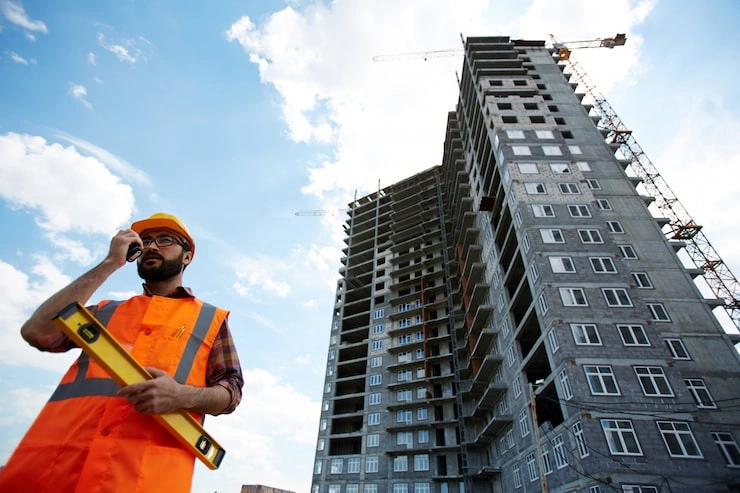
- Buying in a half-finished estate (no one wants to live in a construction zone for years)
- Assuming rental demandcheck if there's a glut of rentals
- Skipping the fine printsome estates have rules about pets, paint colors, and even who can rent
Dont get spooked, just ask questions. If a deal seems too good, ask why. Chat with other investors or property managers in the area. Better to feel silly now than stuck later.
What signs mean the estate will rise in value?
Picking the winner is part luck, part having your eyes open. Watch for these clues:
- Families moving in and staying put
- Upgrades to local streets or community spaces
- Low vacancy rates (homes are snapped up fast)
- Word of new shops, cafes, or transport coming soon
- Older homes getting modern makeoversshows confidence in the area
If everyones fixing up their place and chatting at the park, thats not just good vibesits a signal of a strong, growing estate value.
How do you time your entry?
There's no magic moment, but there are smarter times to buy. If you hear about new infrastructure or a big employer setting up shop, thats future demand. Buying right after a dip (when prices are lower but recoverys likely) works if youre patient. Watch for upgrades in similar nearby neighborhoodsthat trend often rolls over to the next suburb or estate. Remember: you dont need to chase the absolute lowest price. Buy when the areas getting better, not when its stuck or dropping.
Is investing in new builds or established homes smarter?
This fight goes on forever. New builds bring pretty kitchens and lower maintenance, but sometimes cost more up front. Established homes might need paint, but often have bigger land and proven resale. If rental returns matter most, check how much similar homes bring innot what agents guess. And always add up true costs: stamp duty, repairs, strata fees if its a unit. Sometimes the place with old wallpaper beats the shiny new build for long-term gain.
Best ways to grow your housing estate investment over time
Once youre in, dont just sit back and hope. Active investors keep learning, watching the local property investment strategies shift, and make small tweaks. Some keep renting out rooms or garages, others upgrade kitchens, a few even buy another place nearby when prices are low. You don't need to be a mogulsmall, steady moves are what build wealth in housing estate investment.
Quick hits: What separates successful investors?
- They dont panic at small dipsproperty moves slow
- They ask questions and arent afraid to say no
- They keep learningreading, talking, watching
- They fix little problems before they grow
- They get advice when stuck (and avoid know-it-alls)
The bottom line: a few good moves early and keeping your wits about you beats wild guesses and short-term thinking every time.
FAQs: Housing Estate Investment and Value
- Q: What's the safest way to start with housing estate investment?
A: Start small. Try a place you could afford to live in yourself if you had to. Look for low vacancy rates and good community vibes. Dont rush. The right first investment is the one that wont keep you up at night worrying about vacant rooms or surprise repair bills. - Q: How can I tell if an estate will grow in value?
A: Watch for local upgradesnew schools, parks, or shops. Talk to people renting and buying there. If homes are being updated and there's a waiting list to get in, that's a strong sign the estates value will rise. - Q: Are new housing estates a good investment or too risky?
A: New estates can be great if the builder is solid and demand is strong. But some have slow growth at first while the area fills out. Always check the track record of the developer and see if people are moving in steadily. - Q: How do I boost the value of my investment property?
A: Simple fixes add value. Clean up the front yard, paint inside, update kitchens or bathrooms if you can. Even small things like outdoor lights or a welcoming door make a place more attractive to renters and buyers. - Q: What should I check before buying in a housing estate?
A: Walk the area at different times. Read body corporate or homeowners association rules. Check for hidden fees, noise, or traffic problems. Speak to localstheyll tell you things an agent might leave out. - Q: What's the biggest mistake first-time investors make?
A: Rushingin. People get FOMO and buy before checking repairs, fees, or if people actually want to rent there. Take your time, ask questions, and know everything before you sign anything.
Youve got the tools now. Start small, ask around, and look for hidden value. Your future self will be glad you put in the effort for smarter housing estate investment.