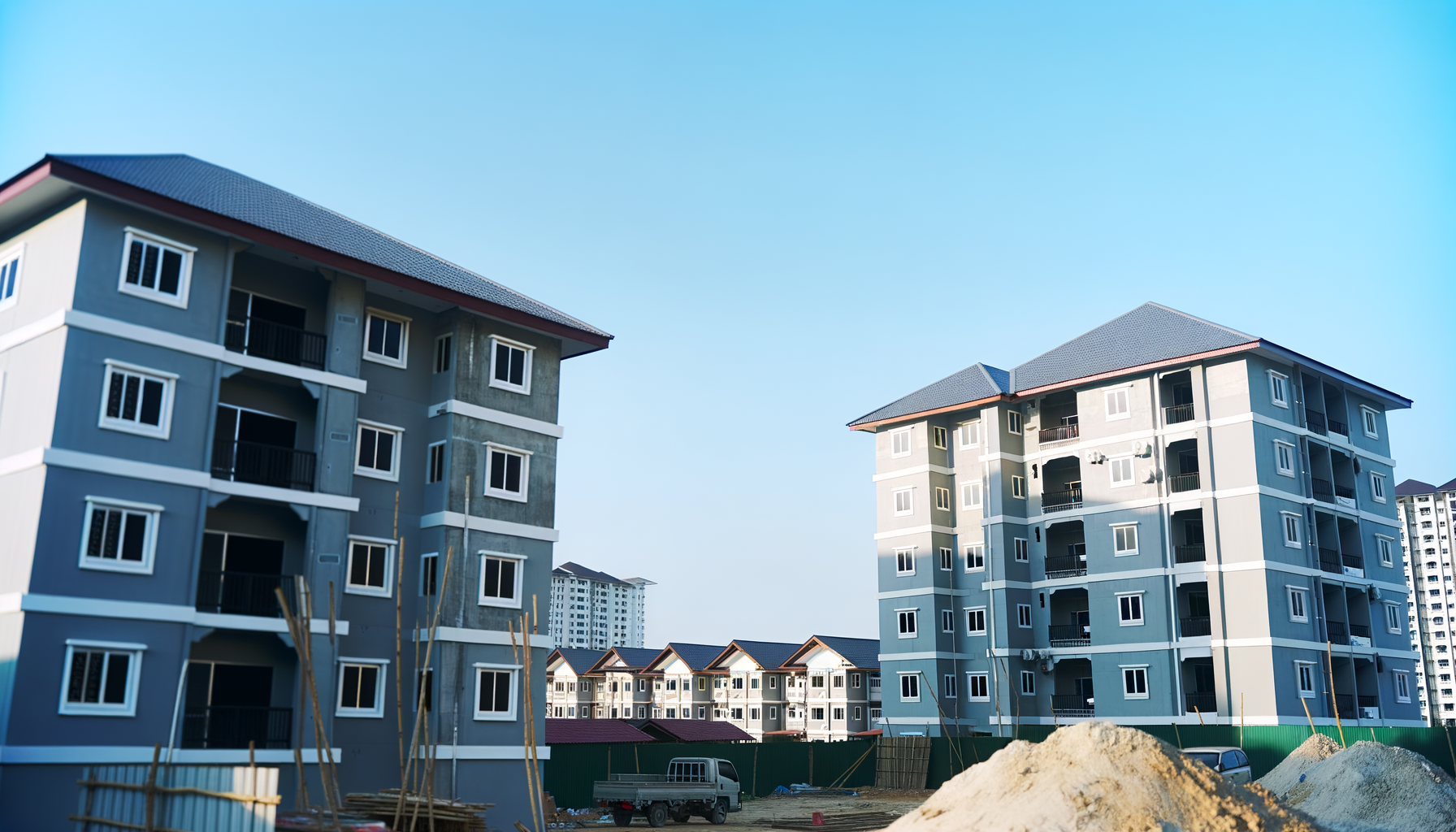
What Makes Housing "Affordable" in Asia?
The price tag is only part of the story. Affordable means people can pay rent or buy without skipping meals. In places like India, Vietnam, or Indonesia, it often means using clever ideas to stretch every dollar. Labor costs, land price, government policy, and smart Asian construction methods all come into play. But what's affordable in rural Cambodia isn't the same as downtown Tokyo.
- Building smaller, smarter spaces
- Using materials you can get locally
- Cutting down on luxury extras
- Government programs and subsidies (when they're available)
Bottom line: Affordable doesn't mean low quality. It means you get the basics you needsolid walls, real plumbing, safetywithout wasting cash.
Which Asian Construction Methods Actually Cut Costs?
Asia's famous for making do, and it shows in the building styles. Some old-school techniques make a big comeback, while others rely on new tech without the fancy price. Here's what keeps budgets in check:
- Modular buildings: Factories make the parts, so homes go up way faster (and cheaper) on site.
- Compressed earth blocks: Dirt and a bit of cement press together to become sturdy bricks you don't need to fire in a kilnsaving fuel and cash.
- Steel frames and prefab panels: Lighter, easier to ship, and less waste on site.
- Bamboo and local wood: Not just for huts. Done right, they're strong, renewable, and perfect for tropical areas.
Avoiding mistakes matters just as much as picking the right tech. Common slip-ups include using the wrong materials for local weather or hiring unskilled crews hoping to save, but paying more in repairs later. If you want something to last, don't cut corners on the basics.
How Do Governments Help with Low Cost Housing in Asia?
It's simpleaffordable housing doesn't happen without support from people in power. Some governments buy land, some cut taxes, a few even give cash to homebuyers. What works best?
- Singapore's HDB flats are the gold standardgovernment owns the land, builds tall, manages costs, and even handles resale rules
- India's Pradhan Mantri Awas Yojana gives subsidies for both city and village homes
- Vietnam and the Philippines have public-private partnerships building for low-income families
The catch? Lots of paperwork and waiting. Also, corruption and red tape slow things down. If you're hoping for help, expect a bit of a slog, but it can pay off.
What Are the Challenges with Affordable Housing Construction?
It's never as easy as it looks on paper. You might think squeezing costs means everyone wins, but there are serious hurdles.
- Land price spikes (especially near jobs or transit)
- Skilled workers aren't always available when you need them
- Red tapepermits, zoning, building codes, all slow things down
- People want nice finishes and good neighborhoods, not just walls and a roof
The trick is finding ways to cut costs without making homes so basic people don't want them. That means clear planning, smart design, and getting buy-in from everyone involvedfrom city officials to the families who'll live there.
Is Sustainable Housing in Asia Really Affordable?
Sustainable sounds expensive, but that's not always true in Asia. In fact, living green can bring the price tag down, if you're smart about it.
- Solar panels cut electric bills after the upfront cost
- Rainwater harvesting makes plumbing less pricey
- Shady trees and thick walls mean less money spent on AC
- Recycled and local materials often cost less than imported ones
Some developers try to impress with shiny, complicated tech, but the basics matter more: Shade, airflow, and materials that last. The first time you see mold or leaky roofs after monsoon season, you learn what works fast. So, don't chase the trendiest green solution. Go for what's proven to last in your city or village and keeps running costs low.
What Does a Step-By-Step Affordable Housing Project Look Like?
Want a simple roadmap? Heres how a real-world affordable housing development Asia-style usually happens:
- Figure out your budget (and add a buffercosts always creep up)
- Find land near work, transit, and schools (walkable saves money long-term)
- Pick an Asian construction method that matches local weather and skills
- Source materials from nearby to save on shipping
- Hire trusted builders, not just the cheapest you can find
- Plan for basic, durable finishesmake upgrades possible later
- Build in phases so families can move in fast instead of waiting years
It starts small. Then it grows as money and time allow. Expect at least one delay and at least one design change. That's just real life.
What Surprises People Most About Residential Construction in Asia?
Two things catch most people off guard. First, homes may be smaller than what people expect, but the layout is smart, with zero wasted space. Second, neighbors help each other outfrom painting walls to sharing food. Affordable housing works best when it builds community, not just buildings.
- Kitchens double as workspaces
- Kids' bunk beds save space
- Rooftops get used for gardens, drying clothes, sometimes even chickens
It's less about size and more about quality of life. That mindset shift is why some of the happiest communities in Asia aren't the richest.
Ready to Build or Find Affordable Housing in Asia?
Affordable housing construction in Asia isnt magic, but it takes guts, patience, and know-how. You'll deal with setbacks, stubborn rules, and a few hard choices. But if you focus on smart building methods, cutting out waste, and asking for help when you need it, you get what mattersa safe, decent home. If you're starting a project, get your team together and look local for ideas. If you're on the hunt to buy or rent, ask questions about how the place was built and what your real monthly costs will be. The right choice saves you money for years.
FAQs about Affordable Housing Construction in Asia
- How much does affordable housing cost to build in Asia?
Prices vary a lot. In big cities, it's more expensive but using modular or prefab methods can drop the cost by up to 30 percent compared to regular building. Rural areas with local labor and materials can cost even less. Always plan for extra costs that pop up during the project. - What are common mistakes in low cost housing Asia projects?
Big ones include buying cheap, low-quality materials that break down fast, not planning for local weather (like heavy rains), and skipping skilled workers. All of these end up costing more for repairs in the long run. - Can affordable housing in Asia be eco-friendly?
Yes, especially by using local materials, building for natural light and airflow, and adding things like rainwater tanks. You don't need expensive gadgets to be sustainable. The basics work best and usually save money down the line. - Is it safe to use bamboo or earth blocks for homes?
If built right by people who know what they're doing, yes. Bamboo is surprisingly strong and flxible for earthquakes. Earth blocks insulate well in both hot and cold climates. Check that local codes allow these before you start. - How do I get government help for affordable housing development Asia-wide?
Check with local offices for current subsidies, low-interest loans, or land programs. Requirements change by country and city. It usually takes paperwork and patience. But when it works, it makes home ownership or affordable rent possible for more people. - What's the best Asian construction method for small budgets?
There's no one-size answer. Prefab panels, modular homes, and compressed earth blocks are solid bets if you want speed and low cost. But always match the method to your climate and the skills of your local builders to avoid mistakes.