You finally saved up some money. Now your Instagram is full of cozy living rooms, and every time you drive past a 'For Sale' sign, your heart skips a beat. But buying your first house feels hugelike, where do you even start? The good news: its totally normal to feel lost. You've probably heard a million "first time home buyer tips," but what's actually useful?
Heres the straight talk youll wish someone gave you before you started touring houses.
What should you know before starting the home buying process?
Buying a house is more than scrolling listings and booking a tour. The home buying process starts before you even call a real estate agent. You need to figure out how much house you can actually afford. That means looking at your moneywhat you make, what you owe, and what you spend. Its not fun, but youll thank yourself later.
- Gather your bank statements and pay stubs
- Check your credit score (the higher, the better for your mortgage)
- Add up all your monthly paymentsloans, credit cards, everything
- Decide how much savings you want to keep as a safety net
Most people skip this and start looking at houses out of their league. Dont be them. Your budget should decide your house, not the other way around.
How do you pick the right real estate agent?
An agent is way more than someone who unlocks the door at an open house. The right one will walk you through the confusing stuff, fight for your interests, and even tell you when a place is wrong for you.
- Ask friends and family who had a good experience
- Interview at least two agents
- Look for clear communication and local experience
- Watch for pushinessif you feel rushed, bail
The first agent I worked with barely listened. I switched and it was a world of difference. Your gut matters here.
How do you prepare for getting a mortgage?
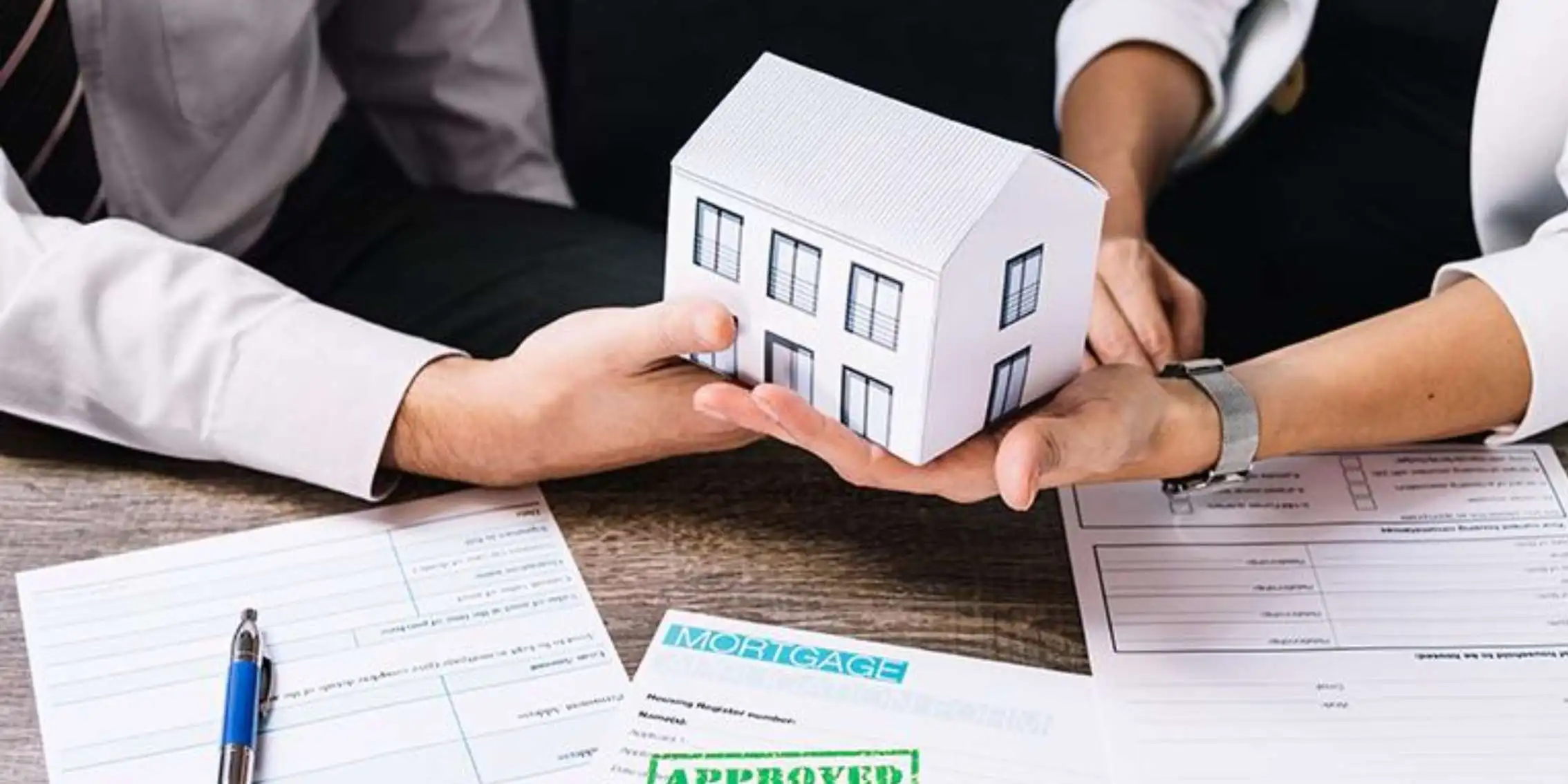
Getting a mortgage is like applying for a job, but with way more paperwork. Expect to send in lots of documents. The lender checks your income, debts, and credit history. Pre-approval is your golden ticketit shows sellers youre serious and know your price range.
- Shop around for rates, not all lenders offer the same deals
- Understand the difference between pre-qualification (rough estimate) and pre-approval (solid offer)
- Dont take on new debt before closing, like financing a car
If youre self-employed or your income changes a lot, be honest with your lender up front. Surprises can kill the deal late in the game.
Whats really involved in touring and choosing a home?
Its easy to fall for pretty kitchens and staged furniture. But theres more to a smart first home purchase. Look past the paintfocus on the structure, neighborhood, and what repairs or updates youll need.
- Check water pressure, outlets, windows, and the roof
- Visit at different times (morning, evening) to get a real feel
- Ask about recent repairs and why the owners are selling
- Picture your daily lifedoes the commute or yard actually fit?
An awesome-looking house that needs a new roof and furnace could cost ten grand more within a year. Real talk: dont buy your dream, buy what works (and grow into it).
How do you make the best offerand not mess it up?
Making an offer is when home buying gets real. Your agent will help figure out the right price, but heres what most people miss: always leave a little room to negotiate. Be ready to walk away if things get weird.
- Look at similar homes (called "comps") to see whats fair
- Put everything important in writingrepairs, who pays for what
- Move quickly in a hot market, but dont skip inspections
Bidding wars suck. Set your absolute top number before you fall in love. If someone else offers more? Its not your house. Theres always another.
What are the biggest mistakes first time homebuyers make?
No one nails it all. But you can avoid the rookie traps that wreck budgets and stress levels. Here are the classic mistakes first-timers make:
- Ignoring hidden costsrepairs, insurance, moving fees add up
- Falling for surface upgrades and missing big problems
- Letting emotions take over (FOMO is real in hot markets)
- Not reading every document before signing
I nearly got burned by skipping a sewer line inspection. It cost $300. The repair would have been $8,000. Always spend a little now to avoid big disasters later.
What should you do after closing on your first home?
Congrats, you did it! Now what? The real "home buying guide" starts when you get the keys. Youll feel broke and over your head for a minute. Thats normal.
- Change the locks right away (you dont know who else has keys)
- Test smoke and carbon monoxide detectors
- Figure out where the water shut-off isseriously, do this now
- Create a tiny monthly fund for emergencies
- Meet your neighborsthey can save you in a pinch
The first year, things will break. Youll Google everything. Thats all part of being a new homeowner. The feeling of sitting in your own place, though? Worth every headache.
FAQs
- What are the actual steps to buy a house?
The home buying process goes something like this: decide your budget, get pre-approved for a mortgage, pick a real estate agent, start house hunting, make an offer, get a home inspection, finalize your mortgage, and then close the deal. After closing, you move in. It sounds complicated, but take it step by step. - How much money do I really need to buy my first home?
Youll need a down payment (usually 3-20% of the house price), plus closing costs (2-5%). Dont forget moving expenses and a little cash for repairs or surprises. Some first time home buyer programs can help lower what you owe up front. - Should I buy a home now or wait?
If you feel stable in your job and have enough saved, you can start. Waiting can work if prices are crazy high or you need time to clean up your credit. Dont rush just because other people say its the "right time." - Do I need a real estate agent to buy a house?
Technically, no. You can do it yourself, but most first timers find agents save time and stress. Good agents explain the home buying process, handle the paperwork, and help you spot problems you might miss on your own. - What if the home inspection finds problems?
If your inspector finds issues, you can ask the seller to fix them, lower the price, or even walk away if its too much. Dont skip the inspectionits your best way to avoid huge headaches later. - How do I avoid buyers remorse?
Make a list of must-haves, set your budget, and sleep on any big decision. Trust your gut and dont buy in a rush. Remember, theres always another house out there.
Buying your first home is never perfect, but each step gets you closer to your own space. Tackle one thing at a time and breatheyouve got this.