Buying a new home feels like a huge leap. You want everything perfect, but every decision has at least five choices. If you've never done it before, or it's been a while, you're probably worried about missing some big step or paying more than you need. That's where these new home buying tips come in. They're the little things real estate agents and homebuilders usually keep close to the vest. You'll walk away knowing what to expect, avoid rookie mistakes, and maybe even save some cash.
Is It Better to Buy New Construction or an Older Home?
People love the idea of a home where no one has ever lived. But is new always better? Not always. New homes mean fewer repairs at first and you might get to pick finishes. Older homes can cost less and may be in more established neighborhoods with trees and history. The main thing: Figure out what matters most to youcustom features or location, move-in ready or a project you can shape over time.
- New construction = modern layouts, energy efficiency, less fixing stuff right away
- Older homes = charm, potentially lower price, often closer to city centers
- New builds usually have builder warranties, but HOA fees can sneak up
- Older homes might surprise you with repairsbut sometimes surprises are fun, right?
If you're hoping for the house to be 100% ready and low maintenance, new may be worth the price bump. But never forget, even 'brand new' houses aren't perfectdon't skip the inspections.
Whats the Smartest Way to Start Your New Home Search?
This part is easy to mess up. The first instinct is to scroll listings for months, dreaming. Instead, start with a clear list:
- How much you can actually spend (not what a website says you can 'afford')
- Neighborhoods you likewalk them, drive them, get a feel for parking, grocery stores, that sort of thing
- Deal-breakersthe never ever stuff (no stairs? big yard? only brick homes?)
Don't skip steps. People who hunt without a plan get overwhelmed fast. The real win: Get pre-approved for a loan before you set foot in an open house. Sellers take you seriously, and you know your exact limits, which keeps heartbreak off the table. This goes double for first-time buyers.
How Can You Tell If a New Home Builder is Trustworthy?
Builders' sales reps are friendly, but rememberthey work for the builder, not you. No shame in being picky. Ask blunt questions:
- How long have they been around? Look for repeat local projects, not just websites with pretty pictures
- Will you get updates and walk-throughs during construction?
- What do their past buyers say? Read reviewsevery builder has at least a few complaints, but patterns matter
- Do they finish on time? Consistent delays mean trouble
- Are upgrades fairly priced, or wild markups?
It's okay to push for answers. Shady builders hate tough questions. If they get testy, walk awayyou're the one with money, and you should feel respected every step of the way.
Whats Actually Included in the Saleand Whats Going to Cost Extra?
New homes come with a glossy model filled with every cool feature, but those are often upgrades. Here's how to avoid sticker shock:
- Always ask what comes with 'base price'
- Make a quick listappliances, flooring, lighting, window coverings, landscapingthen ask what's included and what isn't
- Get all upgrade prices in writing before signing anything
Example: One buyer thought grass and a fence were standard. Turns out, just dirt out back and no fence unless you pay extra. That stuff adds up, so better to know before you get your heart set.
Which Upgrades Actually Add Value?
Builders offer upgrades for nearly everything, but not all are worth the money. Some smart bets:
- Structural changes (extra bedroom, bigger garage, better kitchen layout)
- Energy-saving upgrades (better windows, extra insulation, smart thermostats)
- Wiring for home offices or charging your future electric car
- Picking the kitchen and bath finishes you loveyou'll use these every single day
But skip stuff that's easy to do later (fancy lights, cabinet hardware). Upgrades get marked up like concert ticketsthink before you splurge.
How to Avoid Mistakes That Cost You Big Money
Avoid these common pitfalls, and you'll thank yourself later:
- Skipping your own inspection: Yes, even for brand new homes. Inspectors spot stuff the builder missed
- Not reading your warranty: Know what's covered for how longappliances, roof, foundation, you name it
- Not budgeting for 'hidden' costs: Taxes, HOA fees, landscaping, window blinds, and moving add up fast
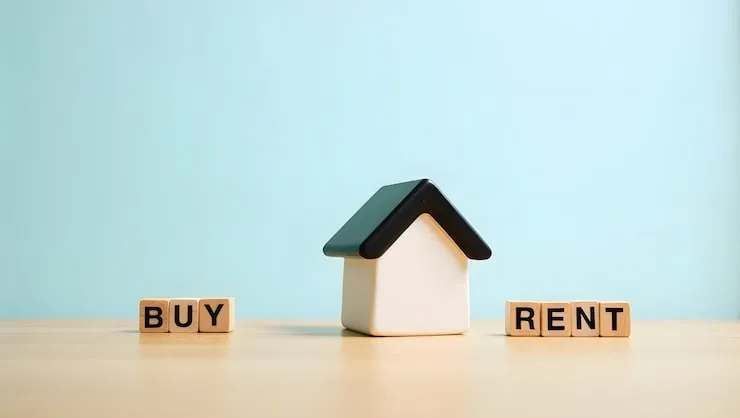
- Assuming buying is always cheaper than renting: Sometimes rent makes more sense if you're not planning to stay long
Smart homebuyers ask questions, even the basic ones. No one expects you to know everything. Getting it right means less stress and more actual excitement about moving in.
How Long Does It TakeAnd Whats the Timeline, Really?
New construction can go fast, but more often there are delays. Rain, supply chain hold-ups, city permitsthese things are out of your hands. Get a realistic timeline in writing, and check in regularly. Dont book your movers months out based on the first date youre given. Plans change and thats normal. Patience pays off here.
Mini-checklist for Your Final Walk-Through
- Bring blue tape to mark paint touch-ups or dings
- Check every outlet, faucet, appliance, and window
- Flush all toilets and run showersdont be shy
- Open every window and door
- Snap photos and take notes
You want to spot any issues before you get the keys. Fixing problems is way easier before you move in.
FAQs: New Home Buying Tips Answered
- Q: What are the first-time home buyer tips for new construction?
A: Get pre-approved for your mortgage before you look at homes. Decide your must-haves and nice-to-haves. Always hire your own inspectoreven new homes have flaws. Ask detailed questions about what's standard and what's an extra cost. Keep a list of questions during every walkthrough. - Q: Why should I get my own real estate agent when buying a new home?
A: The builder's sales rep works for the builder, not you. Having your own agent means someone is really on your sidehelping you spot hidden costs, negotiate upgrades, and handle any issues. Their pay comes from the builder, but their focus is helping you avoid rookie mistakes. - Q: How do I know if the neighborhood is good for my family?
A: Visit at different times of daymorning, evening, weekends. Listen for noise, check traffic, and look at yard upkeep. Talk to some neighbors if you can. Schools matter, even if you dont have kidsgood schools help resale value down the line. - Q: What is the biggest mistake people make when buying a new home?
A: Rushing. People get excited and skip stepslike reading contracts or checking what's included. Slow down, ask every question, and dont feel pressured to sign anything on the spot. You only get to be a first-time buyer oncemake it count. - Q: Can I negotiate on the price of a new construction home?
A: Sometimes, but usually builders wont drop the base price much. You can usually negotiate for free upgrades, appliance packages, or closing cost help. Ask whats possible, and dont be afraid to shop around or walk away if a deal feels off. - Q: How soon should I start looking for homes if my lease ends soon?
A: At least four to six months out is smart, especially with new builds that can have delays. The earlier you start, the less likely you'll have to make desperate choices or scramble to move. Planning ahead matters big time.
Buying a new home is a big step but doesnt have to be scary. Use these tips, trust your gut, and ask for hlp when youre not sure. In a few months, youll be the one sharing your own new home sales advice with friends. Happy house hunting!