Buying property privately in South Africa is a mix of excitement and stress. Some people love skipping estate agents and handling the deal themselves, hoping to save both cash and headaches. But private house sales aren't as easy as snapping your fingers. That's where a little street smarts come in handy. In this guide, you'll pick up savvy tips to help you avoid mistakes and nail the private property purchase process in South Africa.
Why Some Buyers Choose Private House Sales in South Africa
Let's get this out of the way: estate agents mean extra costs. When you buy from a private seller, you cut out those fees and sometimes score a better price. Sellers like it too, since there's more control and less waiting. Sure, it sounds appealing, but if you skip the homework, you could pay for it later. The real draw? Flexibility. Negotiating directly with the owner can lead to deals you won't get with a middleman.
What Does Buying Property Privately Really Mean?
Simple: it's when you deal directly with the person who owns the house. There's no estate agent setting up show days or filtering your texts. You spot a 'For Sale By Owner' sign, make contact, and handle the talks without the usual layers.
- You or the seller find each other (sites, social media, word of mouth).
- You tour the property, ask tough questions, and check the basics.
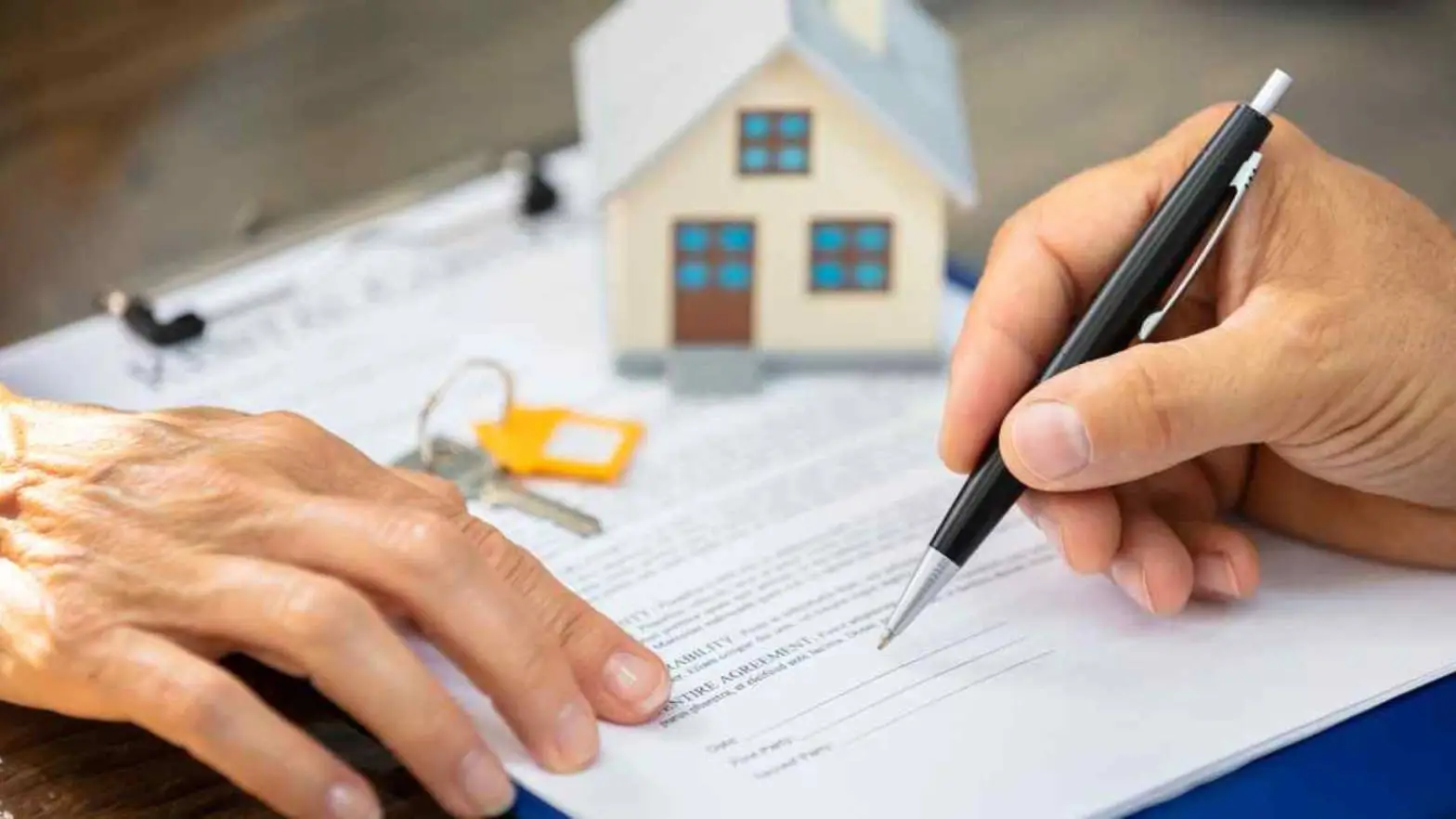
- You both sign a private contract with your agreed price and terms.
Sounds direct? It is. But fewer middlemen means more effort from you.
What Makes The Private Property Purchase Process Different?
The biggest difference is you're running the show. No agent to chase sellers or double-check your paperwork. You read all documents, arrange viewings, and deal with lawyers or conveyancers yourself. Buying property privately in South Africa means understanding the legal side, not trusting that someone else has your back.
- You MUST get an attorneya conveyancer. They're the ones who handle official land transfers.
- All offers, promises, and agreements need to be in writing. Don't rely on WhatsApp chats.
- The process can move quicker, but there's zero hand-holding.
Key Steps for Private Home Buyers in South Africa
1. Do Your Homework
Know the market. Is the area flood-prone? Are prices on the rise? Check online. Visit the area at different times. Talk to neighbors if you can. Red flagslike major cracks or boundary disputesshould make you pause.
2. See the House in Person
Never buy from photos only. Look at walls, ceilings, windows. Listen for noisy neighbors. Look for signs of leaks, DIY messes, or poor security. Bring a friendtwo pairs of eyes spot more problems.
3. Ask the Right Questions
- What's the real reason for selling?
- How old is the roof, geyser, and wiring?
- Has the house had any big repairs?
- Who owns the fence or wall between houses?
4. Get the Paperwork Straight
You want to see:
- The title deed
- Municipal rates and utilities bills (to check for debts)
- Building plansdo they match what's on site?
- Compliance certificates (electric fence, gas, beetle, plumbing where needed)
5. Make an OfferBut Dont Rush
Put all terms in black and white: price, who pays what fees, timelines, and conditions (like 'subject to bond approval'). Use a template (your conveyancer or attorney can help).
The Secrets to Negotiating a Private Property Deal
Talk Money EarlyBut Do Your Sums First
Know your ceiling before you even start. Sellers might ask more than the propertys worth, hoping for a bite. Pull recent sales from the area. If youre making a lower offer, be honest about your reasoning.
- Point out improvements youll need to make
- Mention the lack of agent fees as a plus
- Ask for repairs, or a price drop if you spot defects
Dont Skip the Professional Help
This is the biggest mistake. Even with simple private house sales in South Africa, get a conveyancer involved early. Theyll check for claims or restrictions on the land you might miss. If English isn't your first language, ask for help so you know what you're signing.
Common Mistakes When Buying Property Privately
- Trusting a handshakeall deals must be in writing
- Skipping the home inspection because you want to 'save money'
- Not checking for municipal debts, which can delay getting your title deed later
- Believing a low price means there arent any hidden issues
Every year, someone loses money ignoring these. Dont be that someone.
Get Ready for Paperworkand Be Patient
Even after both sides sign, it can take weeks (or months) for transfer. You'll pay a deposit into a lawyer's trust account, not the seller's pocket. The conveyancer manages the process, but you'll need to supply copies of your ID, proof of address, and other docs fast to keep things moving.
Final Tips for Private Buyers Who Want Peace of Mind
- Insist on seeing every document. Don't take anyone's word for it.
- Keep digital and printed copies of everything you sign.
- If something feels off, walk awayeven if it feels awkward.
- Save cash (about 8-10% of the purchase price) for fees and costs youll need on top of the actual price.
- If you buy in a complex or estate, get the body corporates details and ask about levies upfront.
Buying property privately in South Africa takes guts and some hustle, but if you go in with eyes open, you might just land your dream home without the usual headaches.
FAQs
- How do I find private house sales in South Africa?
Check local property websites, community Facebook groups, classifieds, and even word of mouth. Some sellers put up signs or spread news via friends and family. You might spot something before it's listed by agents, giving you a head start. - Is buying privately cheaper than using an agent?
It can be. You skip agent commissions (sometimes up to 7%), so there's room to negotiate on price. But don't forgetgetting legal advice and property inspections aren't free, so budget for those. - What risks are there when buying a house privately?
You could buy property with hidden problems, like unpaid rates or dodgy alterations. There's more chance for miscommunication since you're not using a professional middleman. Always double-check paperwork and get a conveyancer involved. - What's involved in the private property purchase process in South Africa?
You find a house, speak to the seller, view the home, agree on a price, sign a sale agreement, and hire a conveyancer to manage the transfer. You handle more steps yourself compared to going through an agent, so it's vital to stay organized. - What should I watch for in a sale agreement?
Read it all, not just the price. Make sure it lists all terms: deadlines, who pays which costs, what's included or excluded (things like blinds, stoves), and any special conditions (like subject to bond approval). Your lawyer can explain anything that's unclear. - Are there tips for private home buyers in South Africa to avoid scams?
Never pay money upfront straight to a seller. Use a registered law firms trust account for your deposit. Meet in person where possible, check all documents yourself, and walk away if something feels too rushed or shady.