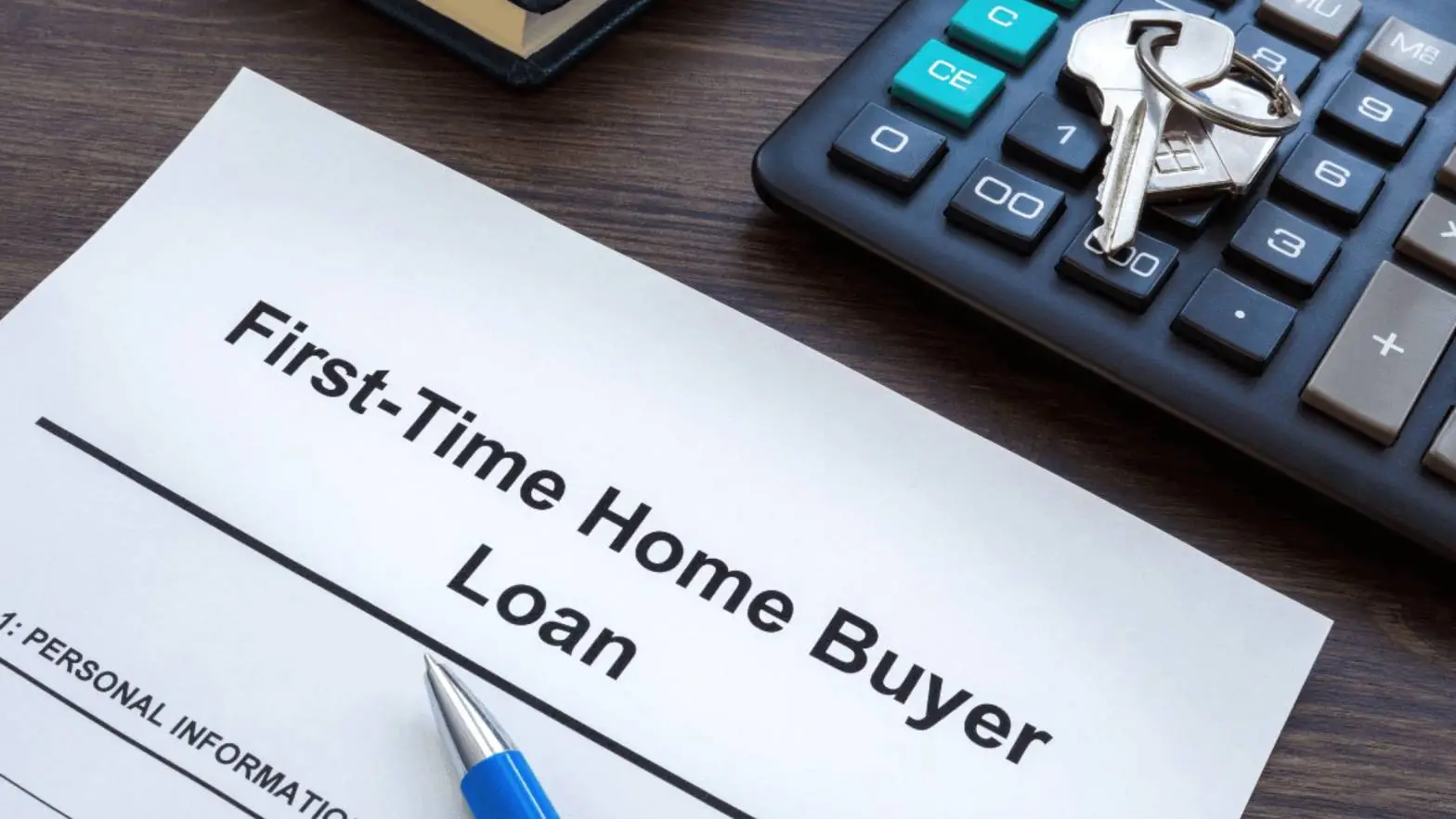
Buying a house can feel like walking into a maze blindfolded. You want a place to call your own, but the home buying process is full of twists you didn't see coming. People talk about bids, inspections, mortgages, and credit scores as if everybody knows what they're doing. But honestly? Most folks are just hoping not to trip up. If you've wondered how to buy a house without losing your mind or your money, you're about to get the inside scoop. From setting your budget to getting your keys, every step can be simpler. Let's break it down and make your dream home a lot less complicated.
What Does It Really Mean to Buy a House?
This isn't just picking a place and signing papers. Buying a house is about finding a home that fits your life and your wallet. You need to juggle wants, needs, and what's actually possible. The process runs from figuring out what you can afford to finally getting the keys in your hand. Mess up any step, and things can get chaotic fast.
- You need cash for more than the down paymentthink inspections, moving costs, and new curtains.
- Your credit score matters more than you think.
- There's a team of people involved: agents, lenders, inspectors, sometimes lawyers. Don't be shy about asking for help.
It's easy to get overwhelmed, but once you see how the pieces fit, the stress drops big time.
How Much House Can You Afford?
Before you search listings or bug a realtor, know your number. This is how much you can spend on a housenot just the price tag, but the monthly payment you'll live with for years.
- Add up income and subtract debts. What's left is your real budget.
- Lenders often want your monthly house payment (with taxes and insurance) to be less than a third of your income.
- You still need money for fixes, groceries, and fundon't max yourself out.
Many first-time home buyers try to stretch, hoping their future income will rise. Be careful. Life throws you curveballsjob changes, repairs, new expenses. Stick to your comfort zone.
How Do You Get Ready to Buy?
Lets talk real prep. This is where lots of people mess up. They look at houses before getting their financial ducks in a row. Don't do that.
- Check your credit. Even small dings can cost you thousands in interest. Fix errors first.
- Save up for the down payment (often 3-20% of price), plus closing costs (extras like taxes, fees, and insurance).
- Get pre-approved for a loan before you shop. This shows sellers youre serious and gives you real numbers to work with.
The prep stage can be boring but it's pure gold. The more you handle now, the less last-minute panic later.
How Does House Hunting Really Work?
Here's the fun part: looking at places. But house hunting is not just scrolling listings online. Its visiting homes, picturing your stuff there, and asking the gritty questions. Don't fall in love with the first cute place. Make a list of must-haves and dealbreakers. Think about:
- Commute timesbad traffic can kill your mood fast.
- School ratings, even if you dont have kids (it impacts resale value).
- How old the roof and appliances are.
- Noises from the road, trains, or neighborsvisit at different times of the day.
Bring a friend who tells you the truth, not just what you want to hear. Two sets of eyes spot more problems.
What Happens When You Find The One?
Youve found a home you love. Now comes the offer and negotiation dance. Your agent will help you set a price, but keep these in mind:
- The listed price is a starting point, not a must.
- Ask about whats includedappliances, fixtures, weird sheds in the yard. Get it all in writing.
- Offers can have contingencies (stuff that must happen, like a home inspection or a clear appraisal).
If a house has been on the market a long time, you might score a deal. But dont be afraid to walk away if something feels off.
Do You Really Need a Home Inspection?
Yes, you do. No matter how shiny or new the house looks, there could be hidden problemslike bad wiring, old plumbing, or a leaky roof. The inspection can feel like a hassle, but it can save you thousands later. If the inspector finds problems, you can:
- Ask the seller to fix them before closing.
- Negotiate money off the price.
- Walk away if its a total mess.
The rule here is simple: Dont skip it. Even if youre buying from a friend.
How Do You Secure a Mortgage?
This is where a lot of first-time home buyers get stuck. Getting a mortgage means the bank is trusting you with a lot of cash. It wants pay stubs, bank statements, tax returns, and proof youre not a risky bet. Heres how to make the process smoother:
- Keep your job steadychanging jobs in the middle can be a dealbreaker.
- Avoid new loans or big purchases (no new cars or furniture until after closing).
- Respond to your lenders requests quickly to keep things moving.
If you feel buried in paperwork, thats normal. Take it one step at a time.
Whats Closing and What Can Go Wrong?
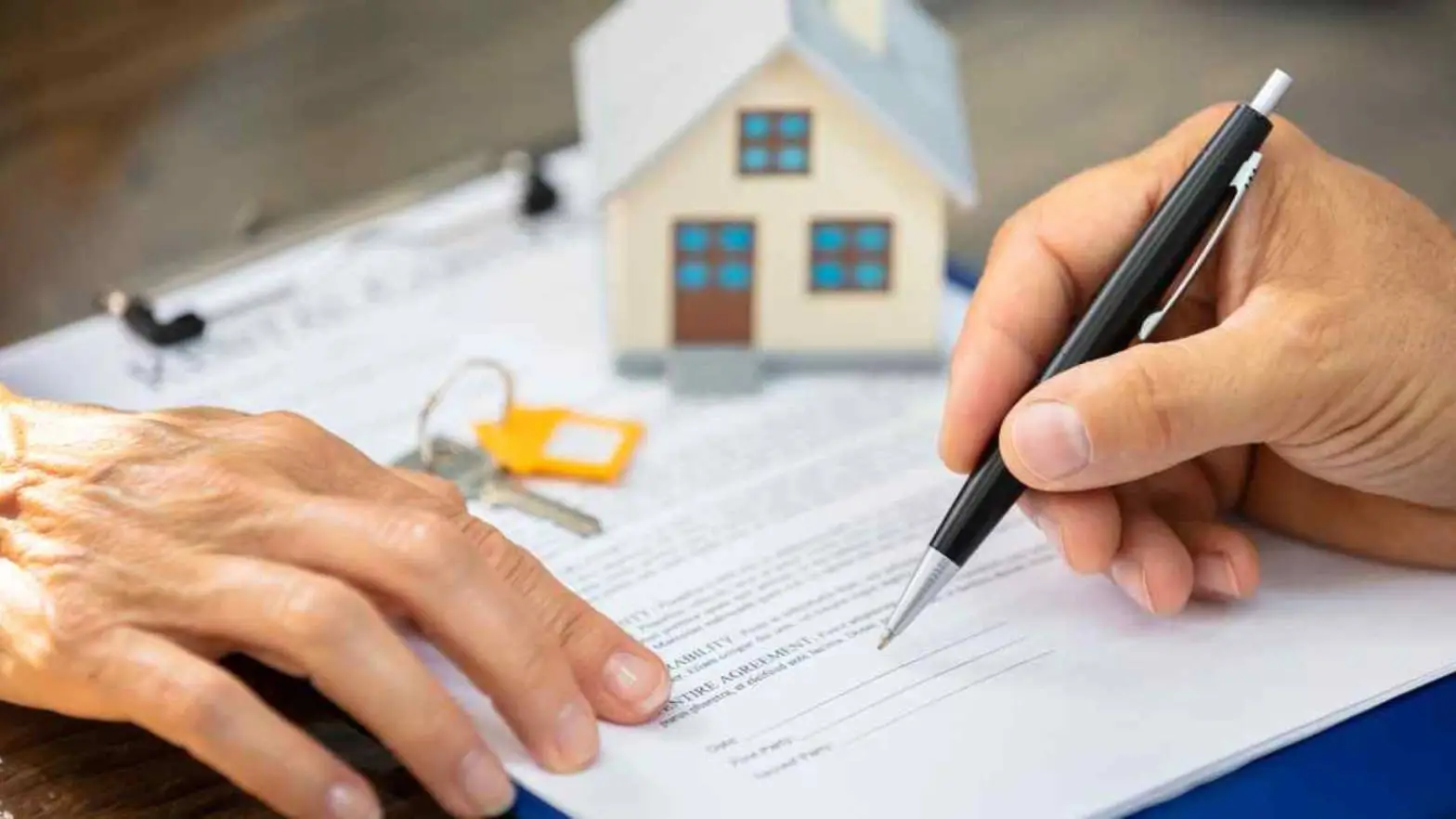
Closing is the last hoopwhen money and keys change hands. Youll sign a stack of papers the height of your arm, pay the down payment, plus closing costs. Double-check every number. Mistakes can happen. Ask questions if you dont understand something. Its better to feel awkward than to regret it later. Once everything is signed, the house is yours. Thats when you get the keys and start your new chapter.
Common Mistakes First-Time Home Buyers Make
- Skipping the budget step, or stretching too far
- Waiving inspection to speed things up
- Ignoring extra costsutilities, taxes, insurance, and repairs
- Letting a pushy agent or family member steer your decision
You want your first move-in day to be happy, not full of regrets. Take your time and trust your gut.
Quick Tips To Make Home Buying Easier
- Start saving sooner than you thinkevery dollar helps with closing costs.
- Dont be afraid to walk away. Another house will come along.
- Ask your agent to explain the process in plain English. If you dont get it, ask again.
- Remember: its your home. Dont settle for what somebody else wants.
Your Next Move
The steps to purchase a home dont need to be a secret code. When you keep each step focused, ask your questions, and stay stubborn about your budget, home buying becomes something you can handle. Trust the process, but trust yourself more. Your dream home might be closer than you think.
FAQs
- When is the best time to buy a house?
There's no perfect time for everyone, but spring and summer usually have more houses for sale. Prices can be higher then, though, because more buyers are looking. If you want less competition, try shopping in the fall or winter. Focus on your own budget and needs above the calendar. - How much money do I need to buy a house?
Most buyers need a down payment between 3% and 20% of the home's price. You'll also need money for closing costs, which are usually 2% to 5% of the home price. Have some cash set aside for repairs or moving, too. Planning ahead stops last-minute surprises. - What credit score do I need?
Most lenders like to see a credit score of at least 620, but higher is better. A higher score means getting a lower interest rate, so you'll pay less over time. If your score is low, take time to improve it before buying. Paying bills on time helps a lot. - How long does the home buying process take?
From finding a home to getting your keys, it can take anywhere from 6 weeks to 3 months. It depends on your local market and how quickly lenders and sellers move. If issues pop up, like appraisal problems or paperwork mistakes, it might take longer. Patience ispart of the process. - Should I use a real estate agent or buy a house on my own?
Agents know the market, handle the paperwork, and can spot issues you might miss. First-time buyers usually find agents save them time and stress. You can buy without one, but make sure you learn about all the steps and rules ahead of time. A trusted agent often makes the process smoother.