You finally bought a rental. You're pumpedand also a little freaked out. What if something goes wrong? What if you get a nightmare tenant or the place gets trashed? You're not alone. Every landlord has those late-night worries. Rental property protection isn't just locks and alarms. It's about being smart every step of the way, so you don't lose sleep (or money). Here's how you keep your rental saferight from the start.
Why Rental Property Protection Matters (Even If You're New)
Think of your rental like a car. You wouldn't park a new car on a sketchy street with the keys inside, right? Sounds obvious, but lots of landlords leave their rentals wide open to troublesometimes without realizing it. Protecting your place means fewer calls about leaks, fewer legal headaches, and a much better shot at keeping your income steady.
- You avoid expensive repairs from preventable damage
- Good tenants stay longer
- You lower your risk of lawsuits and insurance claims
- Peace of mindseriously, that's worth a lot
It's not just about keeping out bad tenants. It's about making life easier for you and anyone living in your space.
How Does Landlord Insurance Fit Into All This?
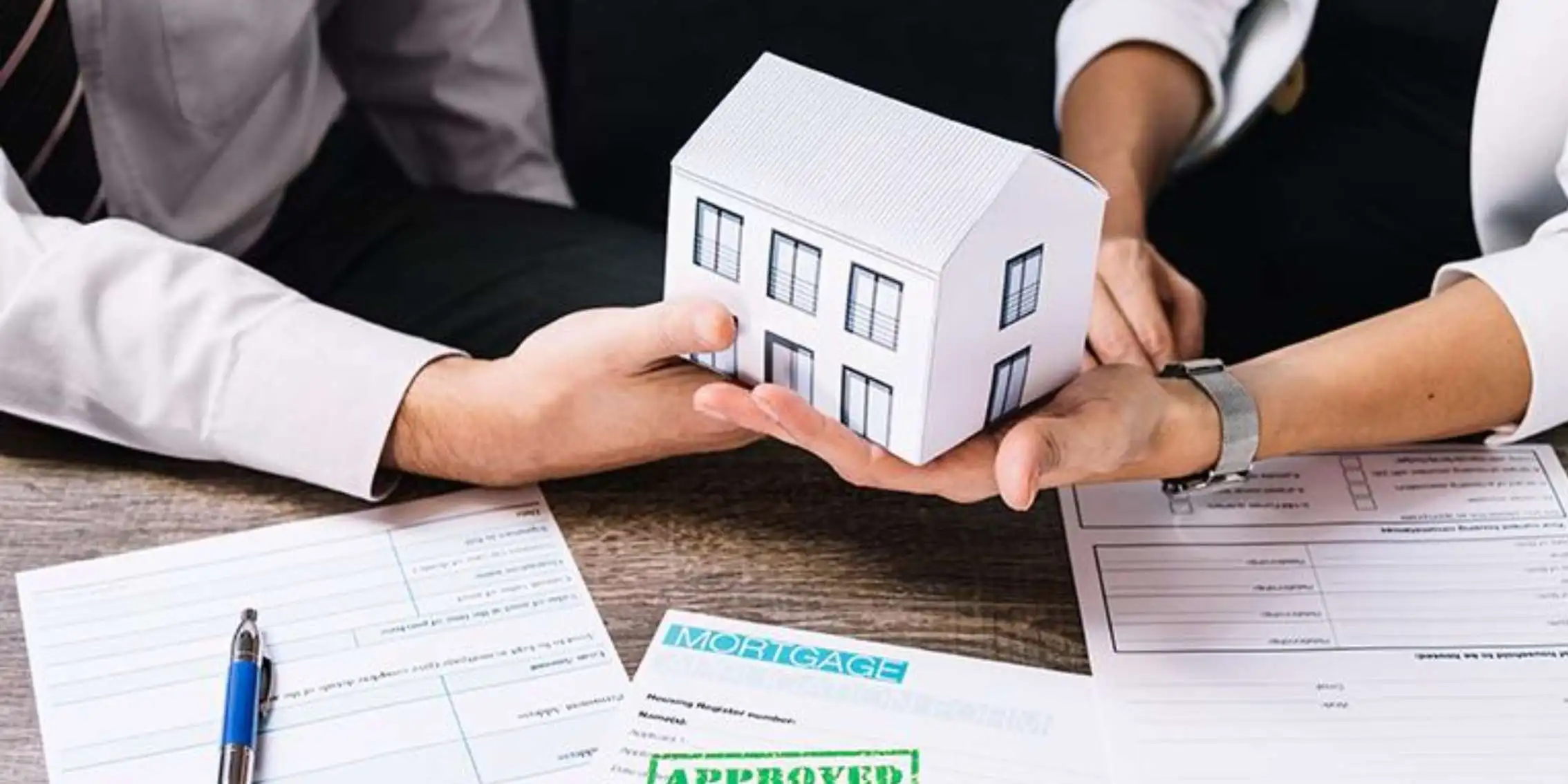
Landlord insurance is your financial safety net. If a pipe bursts, the roof leaks, or someone breaks in, your wallet doesn't take the full hit. Regular homeowners insurance usually won't cover stuff that happens when renters are living there. That's why landlord insurance exists.
- Covers building damage from fire, storms, and vandalism
- Can include lost rental income if the unit's unlivable
- Protects you if someone gets hurt and sues
Don't skip the detailsread what the plan actually covers. Some policies don't include floods, earthquakes, or specific types of damage. Call your agent and ask real questions, like "What happens if my tenant's dog bites someone?" or "If a water heater blows, am I covered?" Better to know now than when something's already gone wrong.
Tenant Screening: How to Avoid Nightmares
If you only do one thing to protect your rental, screen your tenants. This doesn't mean judging them on their shoes or handshake. It means a real application, checking credit, calling references, and running a background check.
- Look for steady income (at least 3x the rent is a common rule)
- See if they pay bills on time (credit history helps here)
- Talk to past landlordsdid they trash the place or cause problems?
- Run a criminal background check, but remember: people can mess up and change
Being too quick or skipping checks is how you end up with unpaid rent or damage. If you feel pressured to fill the place fast, slow down anyway. An empty unit is honestly way cheaper than a bad tenant you can't get rid of.
Property Security That Actually Works
People think security is all about fancy gadgets (which can help), but start simple. First, change the locks between every tenant. If you don't, who knows how many old keys are floating around?
- Always change locksit's cheap insurance
- Install good outdoor lighting (bad guys hate bright spots)
- Use sturdy deadbolts and window locks
- Consider cameras or a doorbell cam if possible
If your place has shared entrances, make sure they're well-lit and everyone knows who should (and shouldn't) be coming in. Most burglars look for easy targetsdon't make your rental one.
Rental Agreement Tips Landlords Wish They Knew
That little stack of papers your tenant signs? It's your shield in a dispute. A solid rental agreement sets ground rules, so there's no confusion later about who fixes what or if pets are allowed.
- List exactly who's living thereno "surprise" roommates later
- Spell out repairs: landlord handles major issues, tenant handles little stuff
- State rules on late rent, noise, pets, and security deposits
- Sign and datenever skip this!
If you pulled your rental agreement from the internet, check that it's legal in your state. Each place has its own quirksand some are strict. When in doubt, pay a lawyer to review it once. A little upfront pain saves headaches later.
Damage Prevention: Fix Small Stuff Before It's Big
Waiting for something to go wrong is most people's default. Don't be most people. Small leaks, loose steps, mold sneaking upthose turn into expensive bills fast if you ignore them.
- Do a quick walk-through every six months
- Ask tenants to report minor issuesreward them if you have to
- Fix leaks, broken windows, or weird smells right away
- Keep gutters clean to avoid water damage
The faster you tackle problems, the less it costs and the less your tenant will complain (or leave). Nobody loves surprise repairs, but your bank account will thank you for being proactive.
What Could Go Wrong If You Skip These Steps?
Plenty. Renting out property is awesomeunless you get unlucky. Here's what can bite you:
- Bad tenants who don't pay or trash your place
- Emergency repairs that empty your savings
- Break-ins or vandalism no insurance will cover
- Messy legal fights when there's a disagreement
The truth? Good landlords aren't just lucky. They set up their rentals to avoid most disasters before they ever happen.
Real-Life Example: How One Quick Step Saved Me $1,000
Once, I skipped changing the locks because I was in a rush. Guess who showed up at 11 p.m. a month later? The old tenant's cousin. I dodged a bullet because my new renter was home and called me right away. I changed the locks that night and learned my lessonnever, ever skip the basics. It cost me $80 for a locksmith. Much better than losing sleep (or worse, getting robbed).
Quick Wins: Make Your Rental Safer Today
- Inspect smoke and carbon monoxide detectors now
- Check that doors and windows close tight
- Make a list of emergency contacts for your tenant
- Review your insurance policy and fill in the gaps
- Swap out old locks before the next move-in
Small actions add up. Most take less than an hour, and you won't regret doing any of them.
Wrapping Up: Your Next Move
Protecting your rental doesn't have to be overwhelming. Start with one tip from abovejust one. Screen tenants a little better, fix that leaky sink, or double-check your insurance. Each move makes your rental safer and your life easier. You bought this place for extra income, not extra stress. Take care of it, set clear rules, and sleep easier tonight. You'll thank yourself later.
FAQs
- How much landlord insurance do I really need?
Most landlords need enough insurance to cover the full cost to rebuild the rental and replace anything inside it you own. Always check what's required by your lender or state. It's smart to add liability protection in case someone gets hurt and sues. Review your coverage every year because costs or needs can change. - What's the best way to screen tenants without being too picky?
Check credit, income, and rental history, but don't base everything on a score. Look for someone who pays bills on time and has steady work. Call references and trust your gut if stories don't match up. You want someone reliable, not perfect. Explain your criteria upfront, so it's fair and not random. - What property security features are worth the money?
Start with deadbolts, upgraded window locks, and bright outdoor lights. If you can swing it, a doorbell camera or simple security system adds peace of mind and doesn't have to break the bank. The main thing is to make your rental look lived-in and hard to break intomost problems start when it looks empty or easy. - Do rental agreements need to be updated every year?
You don't have to rewrite your lease every single year, but review it before each new tenant. Laws can chang, or you might want to tweak rules about things like pets or repairs. If your area's laws are strict, check for updates more often. A solid agreement now saves loads of drama down the line. - How can I prevent the most common types of damage?
Do regular walk-throughs of your rental and fix small problems right away. Remind tenants how to handle things like leaks or power outages. The quicker you jump in, the cheaper repairs are. Encourage tenants to report problems early, even if they seem minor. It's way better to pay for a small fix now than a huge repair later. - What if my tenant causes major damage and wont pay?
Start by using their security deposit for repairs, if you have one. Document all damage and repair costs clearly. If the deposit doesn't cover it, you might need to set up a payment plan or, in tough cases, go to small claims court. Keeping solid records and having good insurance are your best backup plans here.