The charm of retro design lies in its ability to combine nostalgia with style. From bold colors to unique furniture pieces, retro-inspired living rooms offer a perfect blend of comfort, creativity, and character. Whether you’re looking to completely transform your space or just add a few vintage touches, embracing retro elements can instantly elevate your living room. In this blog, we’ll explore a variety of retro living room ideas, design tips, and practical suggestions to help you create a space that feels both timeless and contemporary.
Understanding Retro Living Room Style
Retro design generally refers to styles from the mid-20th century, roughly the 1950s to the 1980s. This period is characterized by vibrant colors, geometric patterns, and furniture that is both functional and artistic. Retro interiors are often playful, energetic, and expressive, making them perfect for homeowners who want a living room that stands out.
A retro living room doesn’t necessarily mean you have to recreate a past decade entirely. Instead, it’s about incorporating elements that evoke that era, while still maintaining a comfortable and livable environment. Think bold patterns, sleek furniture lines, and a mix of textures that create a cozy yet stylish ambiance.
Key Elements of a Retro Living Room
To successfully design a retro living room, you need to focus on a few key elements:
1. Bold Colors and Contrasts
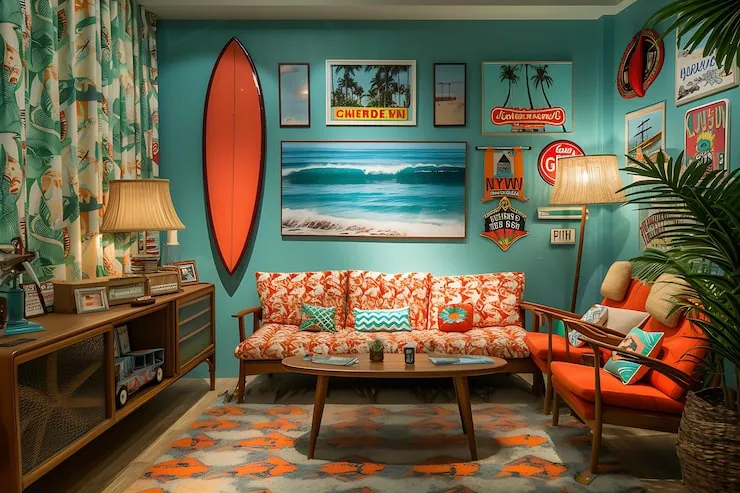
Retro design thrives on bold, contrasting colors. Popular retro color schemes include mustard yellow with teal, burnt orange with olive green, and bright red accents paired with neutrals. These colors can be incorporated through walls, furniture, rugs, or decorative accessories. Don’t be afraid to mix and match; the goal is to create a lively, dynamic space that feels vibrant and welcoming.
2. Statement Furniture
Furniture is a central aspect of any retro living room. Iconic mid-century modern pieces, such as low-profile sofas, tufted chairs, and wooden coffee tables with tapered legs, can bring instant retro appeal. Look for unique shapes and curves that add visual interest. You can also repurpose vintage furniture to give your living room an authentic touch.
3. Geometric Patterns
Geometric patterns are a hallmark of retro interiors. From bold area rugs to wallpaper designs and throw pillows, patterns such as chevrons, circles, and abstract motifs can instantly transport your living room back to the mid-20th century. When using patterns, it’s best to balance them with solid colors to prevent the space from feeling overwhelming.
4. Lighting and Fixtures
Retro lighting fixtures are both functional and decorative. Look for pendant lights, arc floor lamps, and sputnik chandeliers to make a statement. Lighting in a retro living room often features metallic finishes or colorful shades, adding both warmth and visual intrigue.
5. Accessories and Artwork
Decorative accents can complete your retro living room. Think lava lamps, ceramic vases, retro clocks, and wall art that features pop culture or abstract designs. Artwork is particularly important in retro design, as it sets the tone and helps tie together your color scheme and patterns.
Ideas to Instantly Transform Your Living Room
Now that we understand the core elements of retro design, let’s explore some practical ideas to transform your living room instantly:
1. Add a Bold Accent Wall
One of the easiest ways to infuse retro vibes into your living room is through a bold accent wall. Consider using a vibrant paint color, patterned wallpaper, or even a textured panel. A mustard yellow wall, teal geometric patterns, or even a classic 1970s-inspired floral motif can create a striking focal point.
2. Incorporate Vintage Furniture
A single statement piece of furniture can transform your space. A retro sofa in a bright color, a curvy armchair, or a teak coffee table can instantly evoke the mid-century modern feel. Look for vintage or second-hand stores for authentic pieces, or opt for modern reproductions if you want a cleaner, contemporary take on retro style.
3. Use Retro Lighting
Lighting can dramatically change the ambiance of a living room. Install a sputnik chandelier or an arc floor lamp to add a touch of retro elegance. Lamps with colorful shades or unusual shapes not only illuminate the space but also serve as decorative elements.
4. Play with Patterns
Mixing and matching patterns is key to achieving a retro look. You could pair a geometric area rug with patterned throw pillows or a chevron curtain. The key is to choose complementary colors so the patterns don’t clash, creating a cohesive yet lively design.
5. Add Retro Artwork and Accessories
Retro-inspired artwork and accessories can provide the finishing touch to your living room. Consider vintage posters, abstract prints, or framed retro advertisements. Decorative items such as lava lamps, ceramic figurines, and colorful vases add personality and charm.
6. Mix Materials and Textures
Retro design often features a combination of materials like wood, metal, glass, and plastic. A wooden coffee table with metal legs, a glass-top side table, or vinyl chairs can add dimension and visual interest. Mixing textures—like a plush velvet sofa with a shaggy rug—enhances the tactile experience of the room.
7. Create a Cozy Reading Nook
A retro-inspired reading nook can make your living room feel inviting. Choose a comfortable chair with a unique design, a small side table, and a stylish floor lamp. Adding a patterned throw blanket and a few vibrant cushions will complete the look.
8. Incorporate Retro Tech
Retro doesn’t mean outdated. You can integrate modern technology with a vintage look. Consider a modern turntable for your music collection, a retro-style radio, or even a vintage TV stand to blend old-world charm with contemporary convenience.
9. Play with Curtains and Drapes
Window treatments can have a huge impact on the overall feel of your living room. Opt for bold-colored curtains or patterned drapes to add a retro vibe. Layering sheer curtains with heavier patterned drapes creates depth and visual interest.
10. Use Mirrors and Reflective Surfaces
Mirrors with unusual shapes, such as starburst or round frames, are iconic in retro design. Placing mirrors strategically can make your living room appear larger and reflect light, brightening up the space. Metallic or glossy surfaces on furniture and décor also add a touch of mid-century modern sophistication.
Tips for Balancing Retro with Modern Elements
While retro design is charming, it’s important to maintain balance so your living room doesn’t feel dated or chaotic. Here are some tips:
-
Neutral Base: Start with neutral walls or flooring to allow your retro furniture and accessories to shine.
-
Selective Boldness: Use bold colors and patterns as accents rather than overwhelming the entire room.
-
Modern Comfort: Incorporate modern comfort features like soft upholstery and ergonomic furniture to ensure the space is functional.
-
Cohesive Color Scheme: Stick to a consistent color palette to unify your design and prevent clashing.
-
Minimal Clutter: Retro doesn’t mean cluttered. Keep your space organized and thoughtfully decorated to let each element stand out.
Popular Retro Color Palettes
Color is a defining factor in retro design. Some popular color combinations include:
-
Mustard Yellow and Teal: A vibrant, high-contrast pairing perfect for accent walls and furniture.
-
Burnt Orange and Olive Green: Earthy tones that evoke the 1970s aesthetic.
-
Red, Black, and White: Classic, bold, and dramatic.
-
Pastel Palette: Soft pinks, mint greens, and baby blues offer a retro feel with a modern twist.
-
Brown and Gold Accents: For a more muted, sophisticated retro look.
Final Thoughts
A retro living room offers a unique opportunity to combine nostalgia with style, creating a space that is both lively and inviting. From bold colors and geometric patterns to statement furniture and eclectic accessories, retro design allows you to express personality while maintaining comfort and functionality. Whether you choose to fully immerse your living room in retro aesthetics or simply add subtle vintage touches, these ideas can instantly transform any space.
Remember, the beauty of retro living rooms lies in their individuality. Don’t be afraid to experiment, mix eras, and incorporate personal touches. With the right balance of color, furniture, patterns, and accessories, your living room can become a stylish, nostalgic haven that impresses guests and delights your family for years to come.