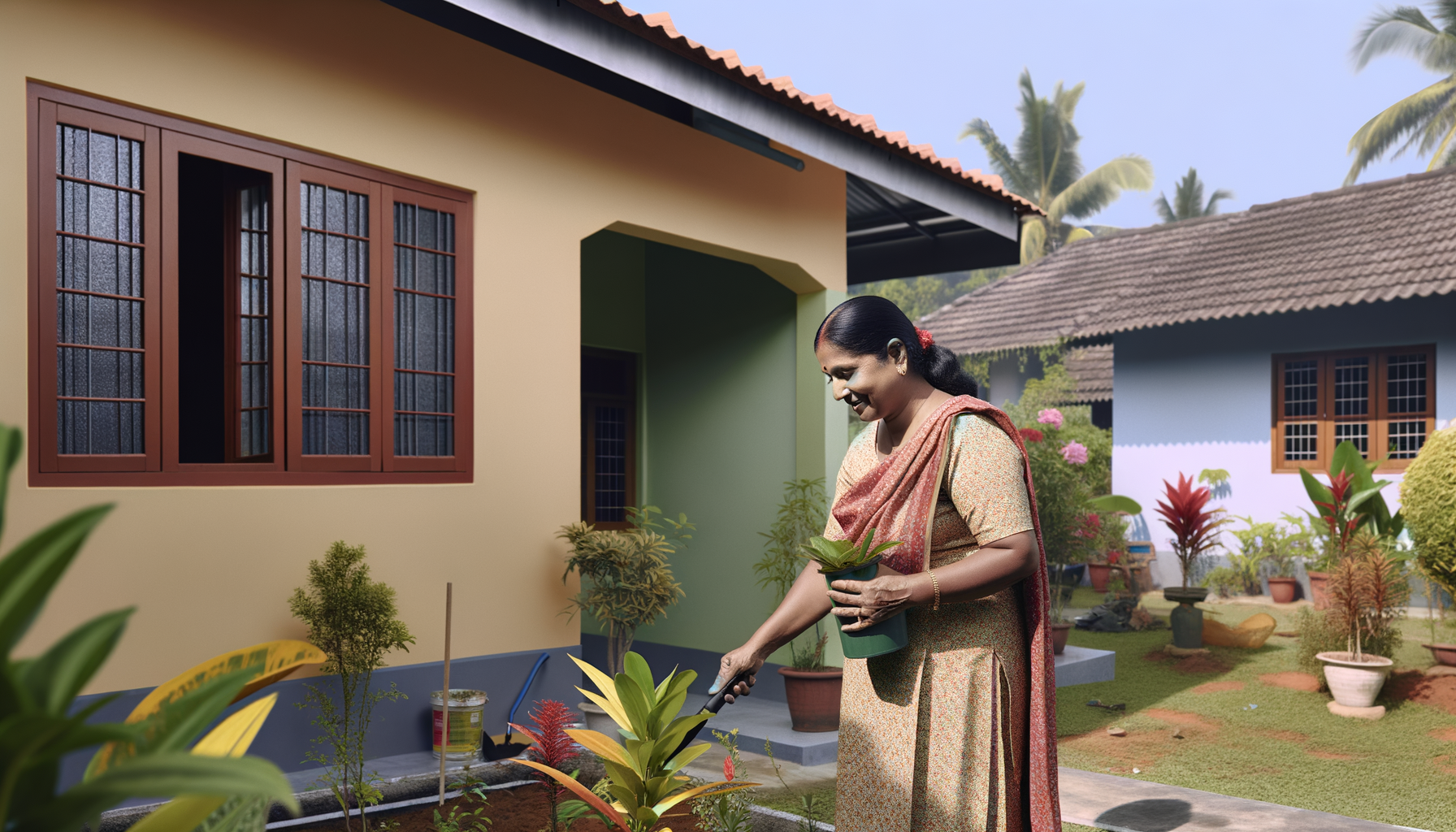
You hear stories about dream houses you could actually afford, but they always sound too good to be true. The truth? Affordable housing estates are out there. And they aren't some myth or a thing from 20 years ago. People are moving into these places, buying budget homes without drowning in debt or trading their sanity for endless commutes. If you want a shot at a real home in a real neighborhoodand keep more money in your own pocketyou're in the right place. Let's break things down so you know what to look for (and what to skip).
What Actually Counts As an Affordable Housing Estate?
Straight up: affordable housing estates are areas or developments where homes are priced below the usual market rate. They're often built or supported by local programs to help regular people, not just investors, get a foot in the door. Maybe they're new builds, maybe they're clusters in a suburb with special incentives. Either way, the prices are lower for a reason.
- You might need to meet income caps to qualify
- Sometimes require you to live there as your main home
- May have agreements about re-selling or renting it out
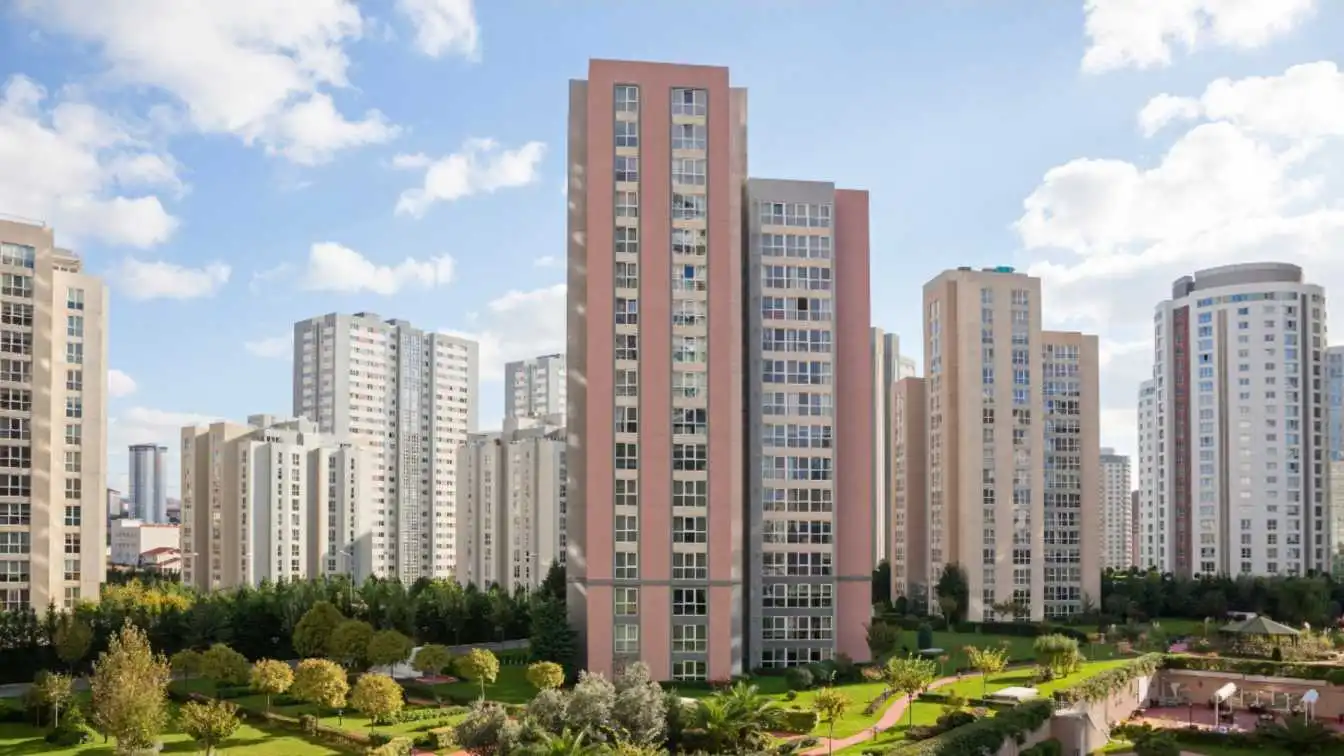
- Usually offer modern amenities like parks, walking trails, or schools nearby
Sounds like a win, right? Mostly, yes. But you need to know the rules, so you don't walk in expecting a free-for-all.
Why Do These Budget Homes Even Exist?
Simple answer: houses got too expensive. Cities, the government, and some smart developers realized not everyone wants (or can afford) a million-dollar mortgage. They created low-cost properties so more peoplenurses, teachers, families starting outcould stay in the community. They help keep the neighborhood balanced. Plus, nobody wants to see every kid move away because rent is wild and home prices are even worse.
- Local governments sometimes require new developments to offer a slice of homes at lower prices
- Some get built with help from non-profits who care about helping locals, not just making money
So when you see a discounted house on a nice street, it's usually the result of these quiet, behind-the-scenes deals.
What Kinds of Homes Do You Find in Cheap Housing Estates?
Not every budget home looks or feels the same. Some are modern apartments with all the fixes. Others are cozy two-bedroom houses with just enough yard to try gardeningand fail a couple times. Expect options like:
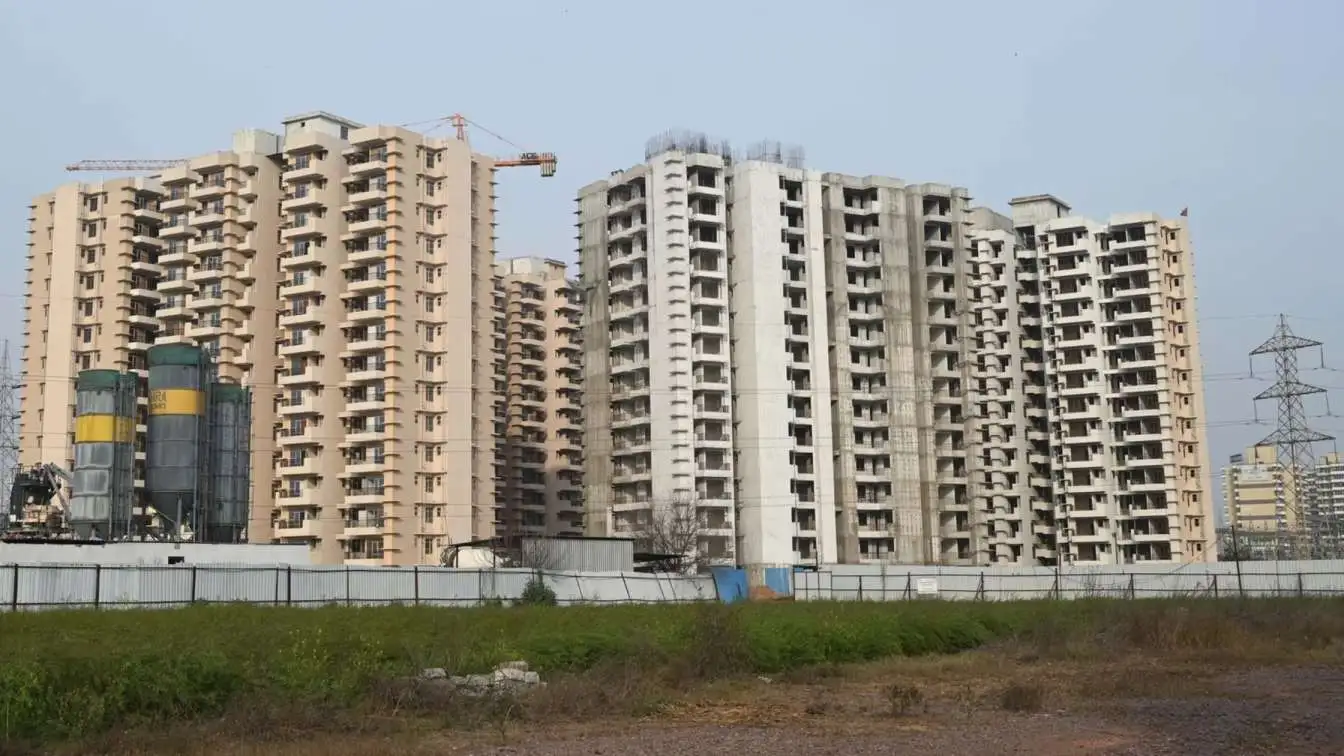
- Brand new apartments in growing suburbs
- Modest single-family houses in established neighborhoods
- Townhomes with shared spacesthink parks, play areas, or even swimming pools
You won't get a castle, but you might get a dream home by your own definition. You pick what matters: big kitchen, close to public transit, room for a dog, whatever fits real life.
How Do You Find These Discounted Houses (Before They're Gone)?
Honestly, you have to dig. Affordable housing estates don't shout from billboards. If you want to spot these housing deals before everyone else, try this:
- Sign up for alerts with your local council or housing departmentthey list new developments
- Ask real estate agents specifically about affordable and shared-ownership options
- Look out for new housing projects or signs saying "income qualified" or "below market rate"
- Get on waiting lists if possible (yes, they can be long, but it's worth it)
- Network with locals in social groups or online forumsword of mouth works
Here's the trick: act fast. The good, cheap housing gets snapped up.
What's The Catch With Low-Cost Properties?
There is one. Sometimes a few. These homes often come with strings because, well, that's how they stay affordable.
- Some have rules about how fast you can sell or how much profit you keep
- Maintenance fees or homeowners association (HOA) dues can add upask before you sign
- Location matters; some estates are a fair distance from city centers or trains
- Competition is fierce, so you'll need to be organized and ready with paperwork
My advice: Read everything twice. Ask every "stupid" questionthe smart move is knowing the real total cost before you fall in love with a place. There are deals, but no free lunch.
How Do You Qualify For These Housing Deals?
This part throws some people. You can't just walk in and buy. Most affordable housing estates have requirements to keep things fair.
- You usually need to meet certain income limits based on your city or area
- Sometimes you must be a first-time homebuyer
- Some programs give priority to people who work in the area, like nurses or teachers
- You'll need paperwork: pay stubs, tax returns, maybe even a letter from your boss
The paperwork can be a pain but remember, it's there so people who really need these discounted houses get a shot. Have everything ready, and you'll be ahead of most.
Are These Homes Only For Struggling Families?
This myth won't die, but it's not true. Lots of folks live in affordable housing estatessingle people, young families, couples, even retirees. The goal is to help anyone priced out of the wild property market. Maybe you have a steady job, pay your bills, but can't touch "normal" house prices. Or maybe you're downsizing after your kids move out. These deals are for real people, not just some stereotype.
What Should You Watch Out For?
Don't let "affordable" trick you. Just because a home is cheap doesn't mean it's always a good idea. Things can (and do) go sideways. Here are classic mistakes:
- Skimming the fine printalways read about resale rules and who pays for repairs
- Forgetting to add up total monthly costs (mortgage, fees, taxes, insurance, HOA dues)
- Assuming the neighborhood will always be as quiet or safe as it is todayvisit at different times
- Missing out by moving too slow; get pre-qualified so you can move when a deal pops up
Be thorough. Ask people in the estate how they actually like living there. Trust your gut if something feels off.
Why These Housing Estates Might Get Even Better
Here's the hopeful bit: as more people demand budget homes and cheap housing, more options show up. Developers and planners see these working, and new estates pop up, often with even more smart features (community gardens, shared bike storage, play rooms, and more). It's not perfect, but you get to pick what works best for youand that used to feel impossible.
Final Thoughts: Is It Worth the Hunt?
Finding a dream home in an affordable housing estate isn't a fairy tale. It's possiblewith some legwork, patience, and a willingness to work through a little red tape. There's no shame in wanting a quality house you can actually afford. If these housing deals look right, make a plan, get your paperwork in order, and jump when you see a chance. The sooner you start, the easier it gets. Your future self (chilling in their own living room, not stressed over rent hikes) will be glad you did.
FAQs About Affordable Housing Estates
- Q: How do I apply for budget homes in an affordable housing estate?
A: Start by checking your city's housing website or local government office. They'll have application details. It's usually a form, some proof of income, and ID. Ask about waitlists toosometimes you need to join early to get a spot. - Q: Can anyone buy low-cost properties or do you need special approval?
A: Most affordable homes have rules. You'll need to match income limits and maybe prove you're a first-time homebuyer. Each estate is different, so always double check before you get your hopes up. - Q: Are discounted houses in these estates worse quality than normal houses?
A: Not at all. Many are built alongside regular-priced homes, sometimes by the same builders. You get solid constructio. The lower price comes from the programs, not bad quality or cheap shortcuts. - Q: Will I have to stay in a cheap housing estate forever?
A: Nope! You can move whenever you want. Some estates have rules about selling, but you're not trapped. If your life changes or you want a bigger place, you still have optionsjust watch for those resale rules first. - Q: What are the biggest hidden costs in affordable housing estates?
A: Besides your mortgage, you'll want to watch for monthly fees like HOA dues, property taxes, and required maintenance. Always ask for a list before you sign. Budget the full cost, not just the mortgage, so you're never surprised. - Q: Do affordable housing deals mean you'll have bad neighbors?
A: No. People from all walks of life live in these estatessingles, families, older folks. What matters most is the community rules and how people treat each other. Visiting at different times helps you see if it feels like home.