What Does Owner Occupied Real Estate Mean?
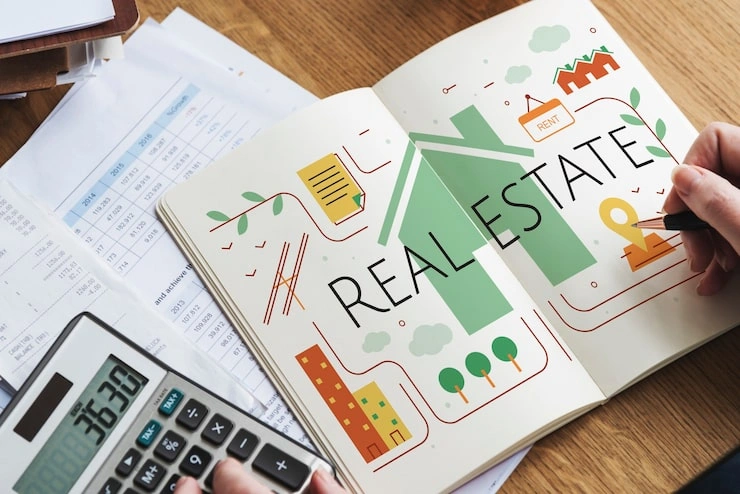
Owner occupied real estate is when you own the place you live in. It's your name on the property and you actually live there, not just rent it out or keep it empty. This matters because banks, insurance companies, and government rules treat owner occupied property differently. You often get better mortgage deals and might pay less in taxes.
Why? Lenders figure you're more likely to take care of the place you live in, and you're less likely to walk away from it in tough times. But with ownership comes serious responsibility. You have to keep the place safe and make sure no one else claims it.
Why Does Secure Property Ownership Matter?
It's your home. If someone messes with your rights, you could lose the roof over your head. That's why secure home ownership is a big deal. Mess up, and you might get tangled up in legal fights, lose money, or even lose the place you worked so hard to buy.
- You want proof that it's yours (think paperwork, not hearsay).
- You need to protect it from scams, claims, or even family feuds.
- It's not just about locks on the doorreal estate security means paperwork, records, and knowing your rights.
How Do You Secure Your Residential Property Quickly?
Easy wins first. Heres what you should tackle the minute you buy your home or decide you want to lock down your rights:
- Get your name on the deed as soon as your purchase goes through. Double-check for mistakes.
- Store your title deed and other important papers somewhere ultra-safe.
- Change the locks. You never know who has copies from before.
- Set up homeowners insurancedont wait even one day.
- Update your contact info with your local government office so tax bills and notices reach you, not the last owner.
Each of these steps makes it a little harder for anyone to cause trouble for your owner occupied property. Forget one, and headaches can pile up fast.
Stop These Mistakes Before They Cost You
Owning your place is exciting but its easy to screw up. Here are common slip-ups (and how to dodge them):
- Not checking if the seller really owned the propertydo it with a lawyer or trusted agent before you buy.
- Assuming you have insurance right away. Most policies start only after youve signed and paid.
- Ignoring little problems on the title. Even an old unpaid utility bill could cause issues later.
- Trusting handshake deals. Get every agreement in writing.
- Skipping regular reviews of your property taxes and local records. A scammer could try to file papers behind your back.
How to Keep Your Home Ownership Secure for Years
It's not a one-and-done job. Heres how to protect your owner occupied real estate for the long haul:
- Check local property records every year. Make sure there are no weird changes with your address or name.
- Keep digital and paper copies of all property documents. Use a home safe or a trusted family members safe deposit box.
- Set up alerts (if your city or county offers them) for any new documents filed for your property.
- Review your insurance every year. As your property value changes, so should your coverage.
- Let trusted people know about your plans, especially if you're setting up a will or passing on your property.
With these habits, you'll spot problems before they snowball into disasters. Its boring until the day it saves you from losing everything.
What About Mortgages and Loans for Owner Occupied Real Estate?
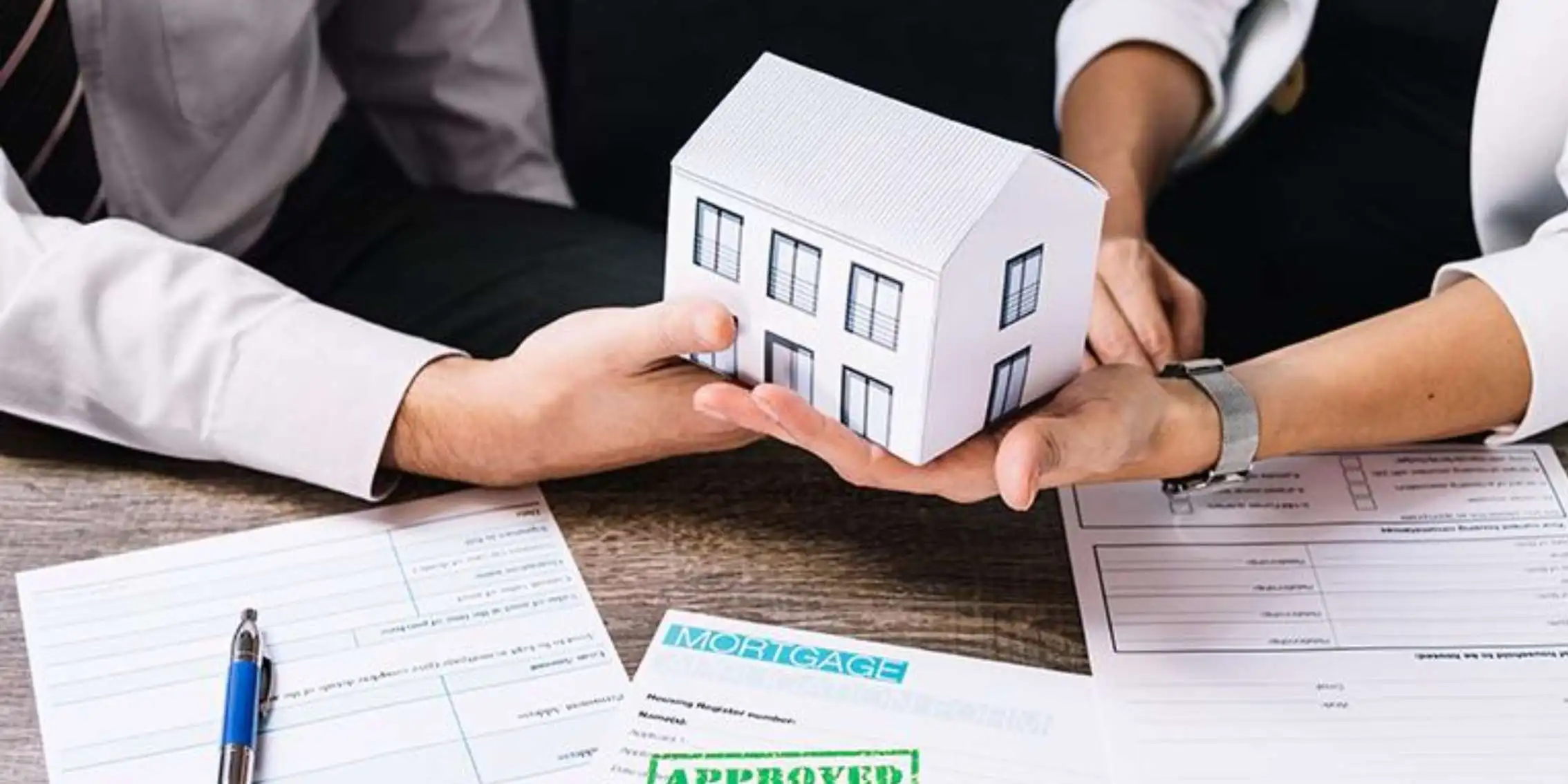
Lenders love owner occupied real estate because youre more likely to pay them backit's your home, after all. You may get:
- Lower interest rates compared to investment properties
- Smaller down payment requirements
- Better loan terms if you have good credit
The catch? If you move out and rent it, you have to tell your lender. Hiding that can cause big trouble. Always read the fine print before signing, and if your plans change, talk to your bank.
Quick Recap: What To Do Next
- Lock in your name on the title.
- Change the locks and update contacts.
- Get insurance right away and review it every year.
- Check your local property records often.
- Talk to a pro if youre unsure about any step.
You worked hard for your home. A little effort up front means less stress and more peace of mind for years ahead. Start with one of these steps todayfuture you will be grateful.
FAQs: Securing Owner Occupied Real Estate
- How can I find out if my property title is secure?
If your name is on the official records at the county or city office, youre on the right track. Visit their website or office, search by your address, and look for your name as owner. If you see someone else or missing info, fix it fast so no one questions your secure property ownership. - Whats the difference between owner occupied property and investment property?
Owner occupied means you live in the place you own. Investment property is usually rented out. Lenders, insurance, and taxes are often better for homes you actually live in, so its smart to know where you stand for real estate security purposes. - Why do people say to change the locks after buying a home?
You dont know how many keys the old owner or their friends might still have. Changing locks is super fast, cheap, and stops random people from walking in. Its one of the basics of secure home ownership. - Can I lose my house if theres an old lien or unpaid bill?
Yes, if theres a legal claim (like a lien for old bills), you could end up in a fight for your property. Always check for these before buying, and tackle any old bills or problems as soon as possible. - Should I put my home in a trust or LLC for extra security?
It depends. A trust or LLC can help keep your property safe in some situations, but its not a cure-all. Talk to a real estate lawyer. Sometimes, simple ownership is safest for residential property ownership. - What insurance do I really need for owner occupied real estate?
Homeowners insurance covers damage from fire, storms, theft, and more. It protects your property and belongings. You may also want special coverage for floods or earthquakes depending on your area. Skipping insurance is risky, so dont wait.