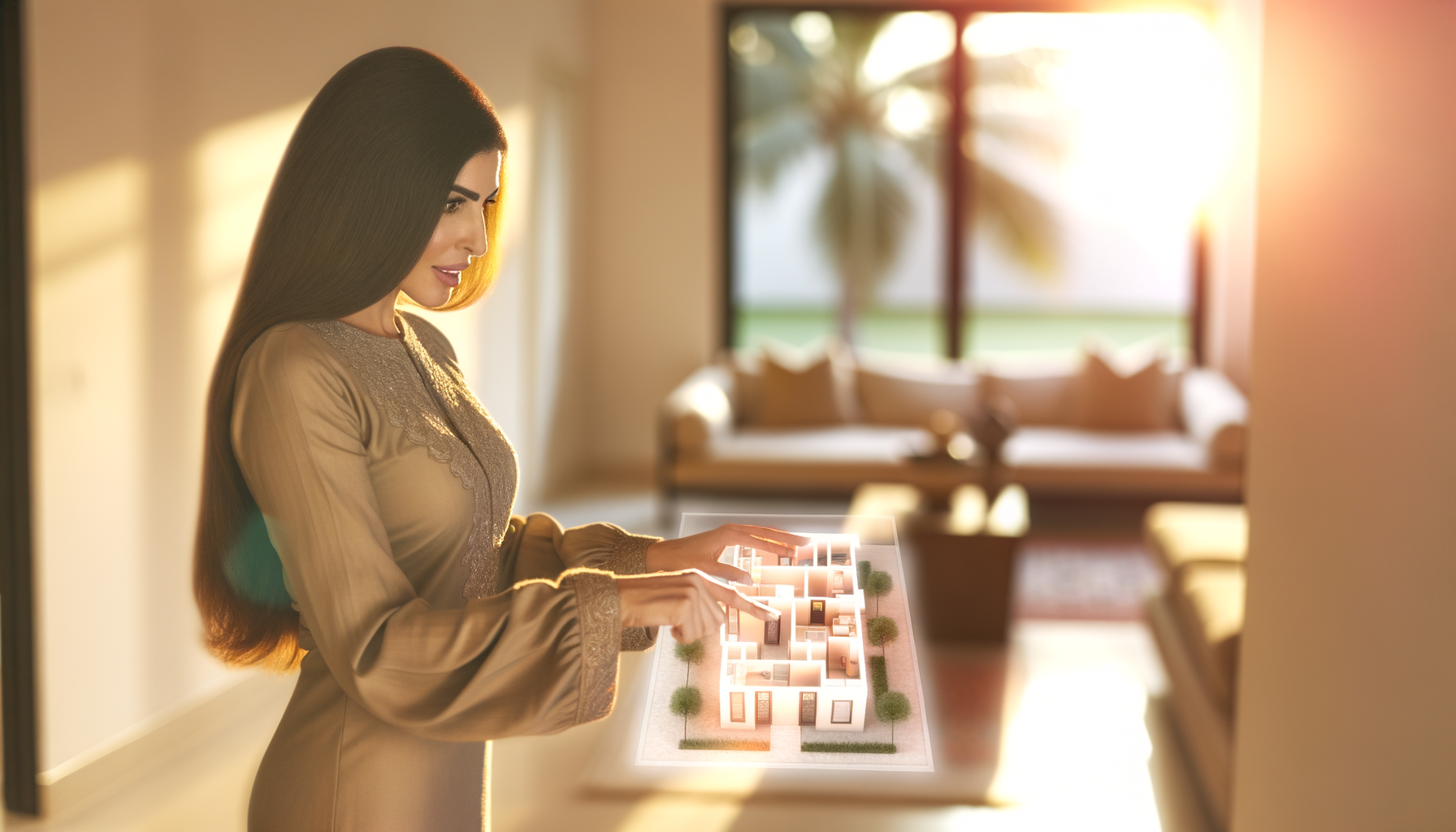
Your home should feel bigger than its square footage. Ever walked into a tiny place that somehow has space for everything? That's the magic good floor plans pull off. Space-saving floor plans aren't just for people downsizing or obsessed with Marie Kondo. They're for anyone tired of tripping over clutter, using their dining table as a makeshift desk, or wishing their home could do more with less. This guide's packed with real ideas (and honest advice) to help squeeze every bit out of your living spacewithout making it feel like a shoebox.
What Are Space-Saving Floor Plans and Why Bother?
Space-saving floor plans are layouts that make even small homes feel open, tidy, and useful. Think clever storage, rooms that do double duty, and designs that skip stuff you barely use. The point? Get more out of every inch, so your home works for your life instead of getting in your way.
- Small home layouts don't have to feel cramped if they're smartly designed
- Efficient floor plans let you fit more in, even if your place isn't huge
- Open concept designs trick your eye into thinking you have more space
The biggest win: less cleaning, less stuff piling up, and a home that actually feels peaceful.
Do Open Concept Designs Still Hold Up?
Open concept designs are everywhere, but do they actually save space? Kind ofthey ditch walls so spaces blend into each other (like kitchen and living room as one big area). That makes things feel bigger, helps light bounce around, and turns your home into a spot where everyone actually hangs out together (not hiding in tiny corners).
- Easy to keep an eye on kids or pets while you cook
- Great for parties or movie nightsmove furniture around, no walls in the way
- The downside: cooking smells linger and it's harder to hide any mess
Tip: Use rugs or furniture as "fake walls" to carve out zones without closing things off.
Why Multifunctional Rooms Are the Real MVPs
Who said a room needs to stick to one job? Multifunctional rooms pull double (or triple) dutylike a guest room that morphs into a home office, or a living room with built-in desk space.
- Add a murphy bed or pull-out couch to your home office for instant guest space
- Stash exercise gear in a closet so your bedroom doubles as a yoga studio
- Design your dining room table to double as craft, study, or work area
The trick is to pick furniture that hides away or transforms fast. Modular pieces, built-in storage benches, or a wall-mounted fold-down desk can give one room a bunch of uses without the mess.
How Do Compact House Plans Actually Work?
Compact house plans go all-in on making sure no square foot gets wasted. They're built to fit smaller lots and tight budgets, but don't feel basic or cramped. Here's how the professionals pull it off:
- Skip formal rooms like big foyers or unused dining spaces
- Combine kitchen, dining, and living into one smart open area
- Use smart storage like built-in bookshelves under stairs or storage platforms under beds
What could go wrong? Trying to stuff in everything you had in a bigger housesometimes you do need to get honest about what you actually use day-to-day. Downsizing your stuff (and your expectations) is part of the process.
What Makes Efficient Floor Plans, Well, Efficient?
Efficient floor plans aren't about being perfect on paperthey're about making life easier and your rooms work better. It starts with asking what matters to you. Have a hobby that takes over the dining table? Want your laundry to be less of a trek?
- Cluster "wet" rooms (bathroom, laundry, kitchen) together to save on plumbing and time
- Give every room a job, even hallways (think built-in shelves or reading nooks)
- Make your entryway work harda bench for shoes, hooks for bags, cubbies for mail
Don't copy someone else's plan just because it looks good online. Your daily habits matter the most. Efficient floor plans flex to fit youeven if your life changes over time.
Common Mistakes (And How to Dodge Them)
- Trying to fit too much: If you had a formal dining room and never used it, you won't suddenly miss it now
- Ignoring storage: Every space-saver needs a spot to hide stuffshallow closets, under bed bins, kitchen pantries
- Forgetting about light: Go for windows, mirrors, and light colors so small spaces don't feel like caves
It's easy to fall for a cool Pinterest plan, then realize you don't actually want a kitchen island if you can barely walk around it. Be honest with what works for your real lifenot someone else's highlight reel.
Simple Ways to Make Small Home Layouts Feel Bigger
- Pick light colors for walls and big furniture
- Hang curtains higher to make ceilings look taller
- Use mirrors to bounce light and create depth
- Choose furniture with legs (lets you see more floor, makes room feel open)
- Get rid of anything you don't use at least monthly
The smallest details add up. Even swapping your old coffee table for one with hidden storage brings instant breathing room. Little choices make a big difference.
FAQs About Space-Saving Floor Plans
- What is a space-saving floor plan?
A space-saving floor plan is a home layout designed to make the most of every inch, so you get plenty of usable living space without feeling crowded. It ditches useless hallways and adds handy storage. - How do I make a small home layout feel open?
You can make a small home layout feel open by using light colors, open concept designs, and putting furniture where it helps the flow. Get rid of clutter and let in as much natural light as possible. Mirrors help too. - What's the best way to make rooms multifunctional?
The best way is to pick furniture that can transform or hide away, like murphy beds, foldable desks, or ottomans with storage inside. Make sure everything in the room has a purposeand ditch the extra stuff. - Are open concept designs good for families?
Yes, open concept designs are great for families because everyone can hang out in the same space, and you can keep an eye on kids while cooking or working. The main trade-off is less privacy and harder-to-hide messes, but most families like the togetherness. - What mistakes should I avoid with compact house plans?
Avoid cramming in too much furniture or trying to keep rooms you don't really use (like a formal living room). Make sure you've got smart storage and think ahead about daily routinesdon't just copy someone else's layout. - Can efficient floor plans really lower my bills?
Yep! Smaller, smartly designed homes can cost less to heat, cool, and fill up with stuff you actually use. When you plan it right, your home uses less energy and makes daily chores way easier.
If your home feels too small or cluttered, try even one of these strategies. You don't have to knock down walls overnight. Pick your biggest pain pointmaybe it's finding space to work from home or never having enough storageand tackle it with a space-saving idea that fits you. Small changes can make your place feel roomy, peaceful, and easy to live inno matter the size.