Ever looked at a neighbor's house and thought, 'How did their place get so nice so fast?' Odds are, they're making smart moveslittle things that hike up their home's value while they live there. It's not just about having a fancy kitchen or a perfect lawn. It's about taking simple steps, called build equity improvements, that actually build up what you own in your home, not just make it pretty.
If you want your home to work harder for you, stick around. You'll learn what builds equity (and what doesn't), which improvements matter, and how to avoid wasting time or money. Plus, some home equity tips that won't require you to become a power tool expert.
What's Equity? And Why Should You Care?
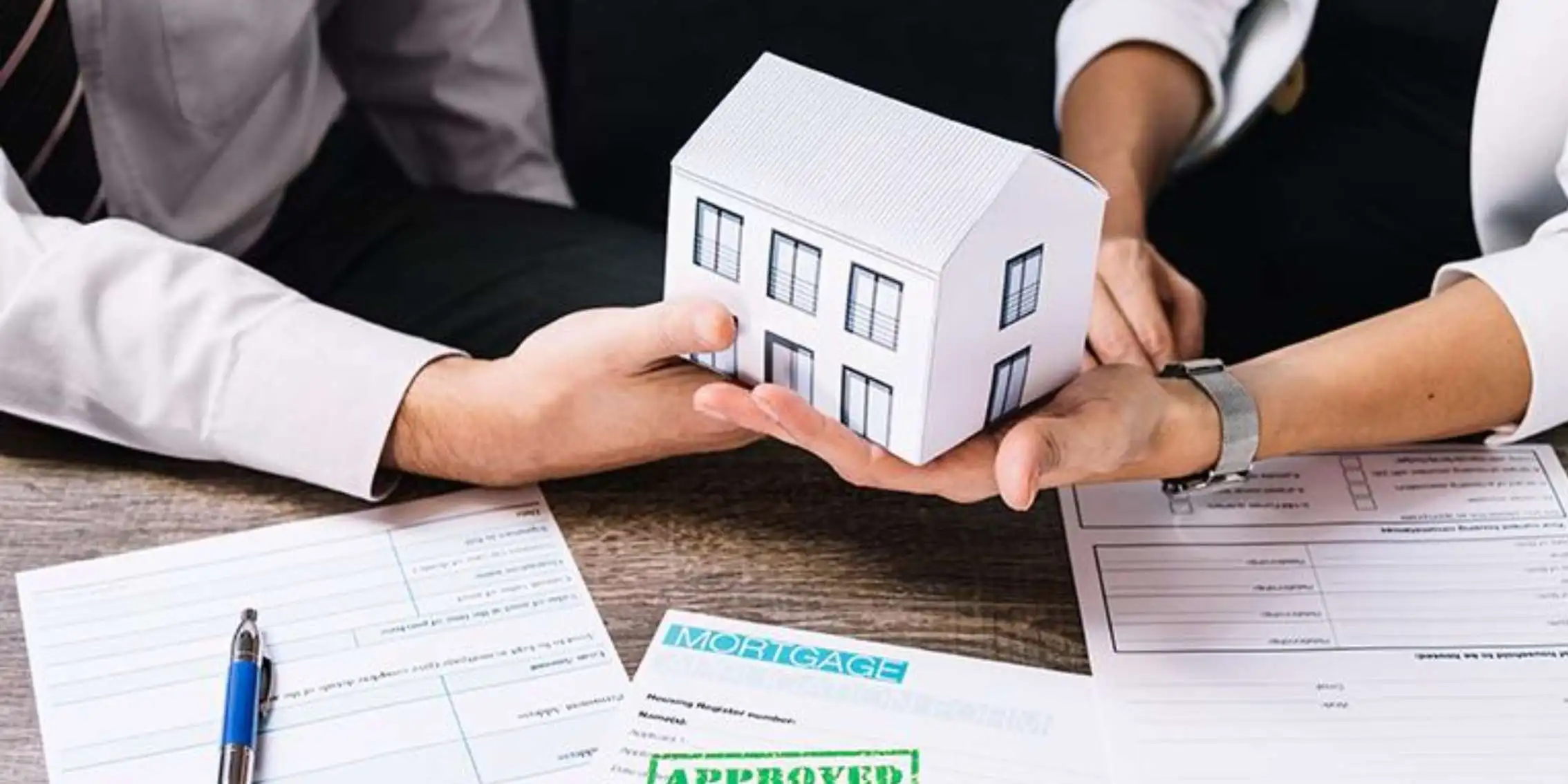
Equity is the difference between what your house is worth and what you still owe on it. The bigger the gap, the more money you could get if you sold. It's like a piggy bank you live in, but you have to work to fill it up.
Why does this matter? The more equity you have, the safer you feel financially. You could borrow against it, upgrade your lifestyle, or have a cushion for emergencies. And if you ever have to sell suddenly, you won't be scrambling.
Which Home Improvements Actually Build Equity?
- Kitchen upgrades: Swapping old appliances for energy-efficient ones, repainting cabinets, and updating fixtures gives you a boost without a total remodel.
- Bathroom refreshes: New lighting, low-flow toilets, and updated tiles work wonders.
- Curb appeal fixes: Fresh paint, cleaned-up landscaping, and a new mailbox help your home stand out.
- Smart home upgrades: Think smart thermostats or security systemsthey increase value and save you money long-term.
- Energy efficiency moves: Switching to LED lights, sealing windows, or adding insulation cuts costs and is a big plus for buyers.
Every house is different, so pick what makes sense for you and your budget. Jumping into a huge renovation isn't always smart. Focus on changes that last and get noticed.
How Do You Start Building Equity at Home?
- Pay more toward your mortgage: Toss in an extra payment a year, or round up what you pay each month. Small, steady steps add up.
- Target quick wins: Fix the easy stuffsticky doors, scuffed walls, outdated lights. Instant payoff in comfort and looks.
- Invest in lasting upgrades: Go for quality, not flash. A well-made front door beats a fancy doorbell camera that breaks in a year.
Start with a plan. Decide what bugs you most or what a buyer would notice first. Make a list, rank by effort and price, and chip away at it.
What Mistakes Cost You Equity (and How to Dodge Them)
- Over-improving: If you're the fanciest house on the block, you might not get your money back when you sell.
- Going too custom: Wild tile choices or bold wall colors might scare future buyers. Stick with updates that suit most tastes.
- Ignoring small repairs: Leaky faucets or broken locks drag down your home's value. Don't let the little stuff pile up.
- DIY gone wrong: Know your limits. Badly done work hurts your home's value more than leaving things alone.
I once tried to retile a bathroom myself. Turns out, setting tiles isn't as easy as YouTube made it look. After three crooked rows and a lot of grout in places it shouldn't be, I called a pro. Lesson: take on what you can handle, hire help for the rest.
How Fast Can You See Property Value Increase?
Some changes (like painting or deep cleaning) pay off right awaya fresher look can boost appraised value fast. Bigger upgrades or paying down the mortgage take more time. Don't expect overnight magic, but if you keep at it, your equity will grow with you.
It's like working out. Small, steady changes lead to big results down the road. Tracking your home's value every year is a smart habit.
Which Home Improvement Ideas Give the Best Bang for Your Buck?
- Paint: Its cheap, easy, and transforms a room in hours.
- Lighting upgrades: Swapping old fixtures for modern, energy-saving ones changes the vibe instantly.
- Landscaping: Mulch, trimmed bushes, or even a new house number sign increase curb appeal for peanuts.
- Smart thermostats: Save on bills, look cool at showings.
- Attic insulation: It's not sexy but keeps the place comfy and lowers costs year-round.
These are tried-and-true building equity strategies. They don't empty your wallet but still drive up your home's value.
Common Questions About Build Equity Improvements
- Q: What's the easiest way to start building equity?
A: Start by making extra mortgage payments and tackling easy home improvement ideas. Even $25 more each month chips away at your loan, and fixing up your home makes it more appealing and valuable. - Q: How do smart home upgrades help with equity?
A: Smart home upgrades like security systems or smart thermostats make your home stand out and save money on bills. Buyers love these features, so they're more likely to pay extra for your place. - Q: Which improvements should I skip?
A: Skip super trendy or personal projects, like quirky bathroom tiles or a built-in fish tank. Stick with classic updates, since most people want something move-in ready that fits their taste. - Q: Do I need to hire pros for everything?
A: Nope. Lots of home equity tips, like painting or minor landscaping, are DIY-friendly. But for stuff like wiring or plumbing, hiring a pro saves time, money, and headaches down the line. - Q: Will updating my house raise my property taxes?
A: Sometimes. Big improvements can raise your home's value, which might bump up your property taxes a bit. But often, the boost in equity is worth more than what you might pay extra in taxes. - Q: How often should I rethink my home improvement plan?
A: Take a look every year or after big life changes. Priorities shift, and so do budgets. Adjust your plan so you're always working on projects that help most, not just what's trendy.
Growing your equity doesn't mean flipping your life upside down overnight. Pick a home improvement, get it done, then move to the next. In a year, you'll look back and be shocked at how much your hard work paid off. Your future selfand your bank accountwill thank you.