Buying property on loan means that you buy a house or an apartment using a loan. The bank or the lender pays most of the amount. You pay it back slowly every month. This process is called EMI. Many people opt for this because the price of property is quite high. It is not easy for most families to pay the entire amount in cash.
A home loan makes it possible for people to buy property. But a loan is a long-term commitment. It lasts for fifteen to thirty years. During this time, you have to pay EMIs regularly. If you don't, it becomes stressful. Before opting for a loan, it is necessary to know how it works. A loan can be a means to increase your wealth. But it can also be a source of stress if not managed properly.
Why People Think That Buying Property on Loan Is a Smart Investment
Many people think that buying property on loan is a smart investment. One reason is that you get possession early. You don't have to wait for many years to save the entire amount. You get to live in your own house earlier. Another reason is that the price of property keeps increasing. If that is the case, then you get to earn even while paying the EMI. There is also tax benefits associated with loans in many countries. This means that your yearly taxes are reduced. Property also gives you a sense of security. The money that you give to the landlord is gone forever. The EMI money is invested in your property. This gives a sense of security to long-term thinkers. People also feel proud of themselves because they own a house.
The Hidden Side of Long-Term Loan Commitments
A home loan appears simple at first. EMIs have to be paid every month. But life is unpredictable. Jobs change. Income falls. Medical expenses rise. If income stops, EMI burden becomes heavy very soon. Loan burden affects mental health. Many people underestimate this burden. Interest rate also imposes a huge burden. Over the years, you may end up paying almost twice the cost of the property. This shocks many buyers later on. A home loan also curtails flexibility. You cannot shift cities or jobs easily. You have to think carefully before taking a long-term loan commitment.
How Interest Rates Change the Real Cost
Interest rate is a big factor in home loans. A small change makes a huge difference. When interest rates are low, EMI is low. When rates are high, EMI burden is heavy. Many home loans have floating interest rates. This means EMI burden can suddenly become heavy. If interest rates rise, your monthly burden will rise. Many buyers do not plan for this. They only plan for the EMI burden at the prevailing rate of interest. This can be dangerous. Over the years, interest rates change many times. You should plan for a safety margin. Fixed rate home loans are safe but may be costlier at first.
Is Property Always a Good Investment?
Property is said to be a safe investment. But this is not always the case. Property prices do not appreciate equally in all places. Some places appreciate quickly. Some places remain stagnant for years. If you invest in the wrong place, your gains remain low. Property also requires maintenance. Maintenance costs add up. Unselling property takes time. You cannot sell property in emergencies. Property is not liquid like stocks. Investment property also requires tenants. Unoccupied property does not earn any money but still incurs expenses. Property investment requires patience. Blind faith can result in disappointment.
Difference Between Living and Investment Property
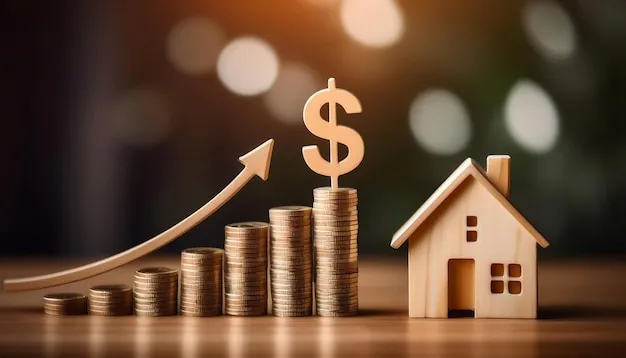
Buying a home for living and buying a home for investment are two different things. Living property provides comfort and security. Returns on property are emotional as well as financial. Investment property is meant to generate rent and appreciation. Risks are higher in this case. Rental income may stop. Appreciation may not happen. EMI on the loan is fixed. Combining both concepts leads to confusion. One should be clear in their mind. If it is for living, comfort is more important. If it is for investment, figures are more important.
How EMIs Affect Your Month?
An EMI is a fixed bill that you have to pay every month. It eats into your disposable income, which in turn cuts down on how you live your life. Travel plans get postponed, savings become slower, and your emergency fund may dwindle. If your EMI is a large chunk of your salary, your stress levels go up. Financial experts recommend keeping your EMI within reasonable limits, so you can afford other things too. Ignore this advice, and you will know the trouble. Most people stretch their finances to buy better homes, which is great but soon becomes a burden. A bit of planning can help you avoid this pitfall.
Tax Benefits: Help or Distraction?
There are tax benefits associated with home loans, and this attracts many buyers. A large portion of the annual tax liability is waived, and this is quite a high. But do not let this be the only attraction. It is only a small part of the entire cost. The interest you pay on the loan is usually much larger than the tax benefit. Many buyers get caught up in the tax benefit and forget about the loan cost. Of course, the tax benefit is a good thing, but it does not eliminate the risk.
Pros and Cons of Buying on Loan
Pros
- You own sooner
- Potential for price growth
- Tax benefits
- You save on rent
Cons
- Long-term financial commitment
- Higher interest costs
- Risk to job and income
- Less flexibility
The Emotional Toll of Property Loans
Loans for property affect you emotionally. The loan becomes a tether to freedom. This emotional cost is simple to ignore. Individuals are usually concerned with the property price but should also consider the value of inner peace. Self-examination is key: if the loan is causing a constant worry, then it is not worth it.
Smart Move or Risky Step: When a Home Loan Makes Sense
Borrowing to buy isn’t necessarily a good or bad thing. It all depends on your strategy, your income, and your goals. If you have a stable income, some kind of emergency fund, and a feasible monthly payment, a loan can be a perfect fit. Living within your means is the best way to avoid stress, and a house that you plan to live in for a long time usually appreciates in value. If the rent is through the roof, buying might be the better option. If the house itself meets your requirements, a loan is a good option. The answer is planning: a loan is a tool, and with it, you can achieve a lot; without planning, it can lead to trouble.
When It Turns into a Financial Trap
The trap occurs when there is a lack of planning. Taking out too much money is a clear warning sign. Not thinking about the future is another warning sign. Buying a house to boost your status can lead to trouble. Thinking that property prices will always go up is a bad idea. The solution is awareness, and all you need is math and common sense.
Conclusion
A home loan isn’t a universally good or bad thing. It all depends on planning, financial stability, and your goals. A home loan can be a great way to build wealth and security or a source of stress and regret. The difference between the two is planning: know the numbers, know yourself, and plan for the future. The aim is toward having peace of attention: a family must make your life easier, not firmer.