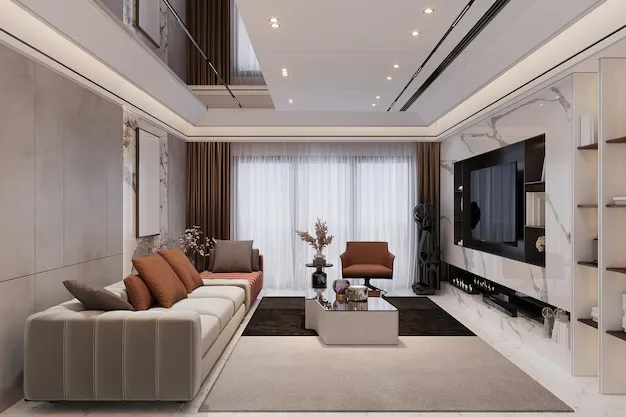
You know that feeling when you walk into a room and something just feels… off? The furniture is fine. The walls are painted. The lighting works. But the space still feels empty, like it’s missing a soul. That’s usually not a furniture problem. It’s a personality problem.
And surprisingly often, the fix isn’t a renovation or expensive décor. It’s one small detail on the wall — a home wall sign that says something, feels intentional, and makes the space feel lived-in instead of staged.
This isn’t about generic quotes or mass-produced décor. This is about how the right wall sign can quietly change how a room feels, how people act in it, and how you feel when you walk in.
Let’s break it down in plain language.
Why Empty Walls Make a Space Feel Cold?
Blank walls aren’t neutral. They’re silent.
When a room has no visual anchor, your brain keeps scanning. It doesn’t know where to land. That’s why some spaces feel uncomfortable even when everything looks “nice.” A well-chosen wall sign gives the room:
- A focal point
- A mood
- A message
Think of it like background music. You don’t always notice it, but when it’s missing, the silence feels awkward.
What Makes a Home Wall Sign Feel “Magical”?
Let’s be clear — there’s nothing mystical happening here.
The “magic” comes from alignment.
A wall sign works when three things line up:
- The message fits the space
- The style matches the room
- The placement feels intentional
Miss one, and it feels forced. Hit all three, and the room clicks.
That’s when guests comment on it. That’s when you smile every time you see it.
It’s Not About the Quote — It’s About the Feeling
People get stuck choosing words. They overthink quotes, sayings, and phrases like they’re getting a tattoo. Here’s the truth: most people don’t read wall signs word by word. They feel them.
A sign that says “Welcome Home” doesn’t work because of the words. It works because it signals comfort, safety, and familiarity.
A kitchen sign about food works because it sets a relaxed, shared vibe. Before choosing text, ask:
- How do I want this room to feel?
- Calm?
- Warm?
- Playful?
- Grounded?
Start there. The words come second.
Different Rooms Need Different Energy
Not every sign belongs everywhere. Here’s a simple breakdown that actually helps:
Living Room
This is shared space.
Good wall signs here:
- Warm phrases
- Family-focused messages
- Simple statements, not jokes
Why? This room hosts conversations, guests, and downtime. Loud humor or overly personal messages can feel out of place.
Kitchen
The kitchen is relaxed and functional.
This is where playful signs work best:
- Food-related phrases
- Light humor
- Short, casual wording
The kitchen doesn’t need to be serious. It needs to feel inviting.
Bedroom
This space is personal.
Wall signs here should:
- Be calming
- Be minimal
- Feel private
This isn’t the place for big statements. It’s the place for subtle reminders or soft words that help you wind down.
Entryway
This is first impression territory.
A wall sign here sets the tone for your entire home.
It should say:
- Who you are
- What kind of space this is
- How people should feel walking in
Simple. Clear. Intentional.
Material Matters More Than People Think
A sign can say the right thing and still feel wrong.
That usually comes down to material.
Common options:
- Wood: warm, natural, timeless
- Metal: clean, modern, bold
- Acrylic: sleek, minimal
- Canvas: soft, casual
Here’s the rule:
Match the sign to the textures already in the room.
Lots of wood furniture? Wood sign works.
Modern finishes and clean lines? Metal or acrylic fits better.
When materials clash, the sign sticks out — and not in a good way.
Size and Scale: The Silent Deal-Breaker
Most people buy wall signs that are too small.
A tiny sign floating on a big wall looks accidental.
Use this simple trick:
- The sign should take up at least 60–70% of the width of the furniture below it
Above a sofa? Go bigger.
Above a console table? Medium works.
Standalone wall? Make it a statement or don’t do it at all.
When in doubt, size up.
Placement That Makes a Sign Look Expensive
Even affordable wall signs can look high-end if placed correctly.
Quick placement rules:
- Hang at eye level
- Center it visually, not mathematically
- Don’t cram it between unrelated items
Give it breathing room.
A wall sign isn’t filler. It’s a feature.
Why Personalized Signs Feel Different?
There’s a reason custom wall signs hit harder.
They’re not generic.
A family name, a meaningful date, a phrase that actually connects to your life — those details turn décor into identity.
Guests notice.
More importantly, you notice.
It stops being decoration and starts feeling like part of the home.
Common Mistakes That Ruin the Effect
Let’s save you from regret.
Avoid these:
- Overly long quotes
- Trendy phrases you’ll hate in a year
- Cheap finishes that peel or fade
- Hanging too high
- Buying something just because it’s popular
If it doesn’t feel like you, skip it.
How One Wall Sign Can Change Daily Habits?
This part surprises people.
Visual cues affect behavior.
A calm message in a bedroom can help you slow down.
A positive phrase near the door can shift your mood before work.
A family-focused sign in shared spaces subtly reinforces connection.
You don’t consciously think about it — but it works.
This Won’t Replace Good Design (And That’s Okay)
A wall sign isn’t a fix-all.
It won’t:
- Save bad lighting
- Hide clutter
- Replace comfortable furniture
What it will do is complete the space.
It’s the final sentence at the end of a paragraph.
How to Choose the Right One Without Overthinking?
Here’s a simple process:
- Pick the room
- Decide the feeling
- Choose material that matches
- Size it correctly
- Place it with intention
If you hesitate, wait.
The right sign doesn’t feel forced. It feels obvious.
FAQs
Do home wall signs go out of style?
Simple designs don’t. Trendy phrases do. Stick to clean fonts, neutral colors, and messages that mean something to you.
Are wall signs better than framed art?
Neither is better. Wall signs feel more personal. Art is more visual. Choose based on the mood you want.
Can a wall sign work in a small space?
Yes. Just size it correctly and keep the message short so it doesn’t overwhelm the room.
Should wall signs match furniture exactly?
They should complement, not copy. Similar tones work better than exact matches.
Are custom wall signs worth it?
If the message matters to you, yes. They last longer emotionally than generic décor.
The Bottom Line
Transforming a space doesn’t always mean buying more things.
Sometimes it means choosing one thing that actually says something.
A home wall sign, chosen with intention, can turn a room from forgettable to meaningful.
Take your time. Trust your taste. And remember — your home should feel like you, not a catalog.