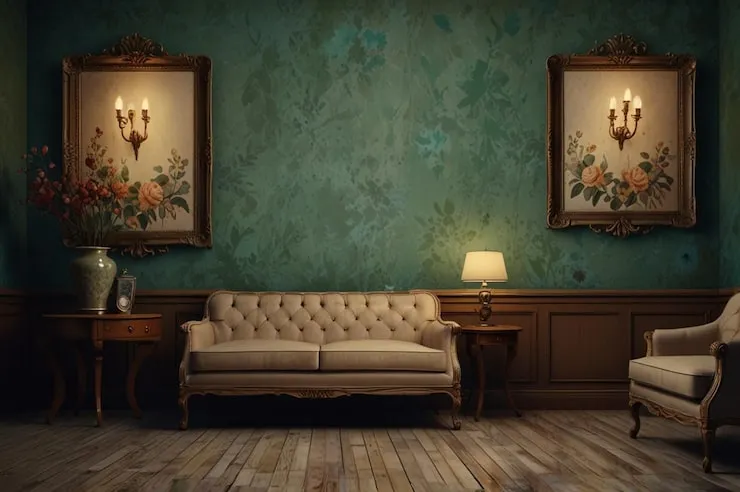
Imagine walking into a room and feeling like you’ve stepped into a beautiful, cozy story. That’s the magic of antique interior design. It’s not about having a museum in your house. It’s about mixing old treasures with your everyday life to create a space full of warmth and history.
This Antique Interior Design Guide will show how anyone can bring this timeless style home. It’s easier than you think!
What is Antique Interior Design?
Simply put, antique interior design is a decorating style. It uses furniture, art, and objects that are at least 100 years old. But the goal isn’t to live in the past. The goal is to mix these classic pieces with modern comforts. This creates a look that feels both elegant and lived-in.
Think of it as heritage home styling. You are telling your family’s story through decor that has its own story. A worn wooden table can be where you do homework. A vintage lamp can light up your reading corner. It’s all about connection.
Why Choose Antique Home Decor?
Why do people love filling their homes with old things? The reasons are powerful!
-
Unique Character: New furniture is made in big factories. Antique pieces were often made by hand. This means no two pieces are exactly alike. Your home will be one-of-a-kind.
-
Superior Craftsmanship: Old furniture was built to last for generations. The dovetail joints in a drawer, the hand-carved details on a chair leg—this is quality you can see and feel.
-
Eco-Friendly Choice: Choosing a vintage furniture revival is a form of recycling. It’s called sustainable decorating with antiques. You’re giving a beautiful item a new life instead of buying something new.
-
A Sense of History: Every piece has a past. Who owned that dresser? What stories could that old trunk tell? It makes your home feel grounded and rich with historical charm in interiors.
Your Antique Interior Design Guide: Getting Started
Starting might feel scary. But you don’t need to buy a whole castle of furniture! Begin small and grow your collection slowly.
Finding Your Treasure: Antique Shopping Tips
You can find amazing pieces in many places. Try local antique stores, estate sales, flea markets, and even online auctions. Don’t be afraid to look closely! Check for sturdy construction. A little scratch or faded paint often adds to the patina and character. That just means it shows its age beautifully.
As expert appraiser Eleanor James often says, “Look for pieces that speak to you. The right antique doesn’t just fill a space in your room; it fills a space in your heart.”
Blending Old and New: A Practical Guide
The biggest secret to classic and modern fusion is balance. You don’t want your living room to look like a dusty old movie set.
Here’s a simple trick: pair one large antique item with more modern pieces. For example, place a sleek, modern sofa against a wall with a huge, ornate gilded mirror. Or use a refinished antique dining table with contemporary plastic chairs. The mix is what makes it exciting!
Choosing Your Color Palette
Antique furniture often has rich, deep wood tones. Colors like walnut, mahogany, and oak are common. These look fantastic against soft, neutral wall colors. Think creams, light grays, or pale greens. This lets the furniture stand out as the star. Add color with antique textiles like a patterned rug or velvet pillows.
Room-by-Room Inspiration
Let’s see how this works in real rooms!
The Timeless Living Room
The living room is a perfect place to start. A statement antique piece like a large armoire or cabinet can hold your TV and games. Add a Victorian-style sofa with lots of pillows for comfort. Remember symmetry and balance—flank your fireplace with two matching vintage chairs.
The Cozy Bedroom Retreat
For a bedroom, focus on the bed. A heavy wooden bed frame instantly creates a focal point. Add a vintage vanity table as a dressing station. Use soft lighting from an antique brass lamp. This creates a peaceful, traditional bedroom aesthetics that feels like a getaway.
The Charming Dining Space
A dining room comes alive with history. A solid extendable oak table is perfect for family dinners. Look for a set of vintage dining chairs—they don’t all have to match perfectly! Set the table with heirloom quality tableware and a centerpiece of fresh flowers in an old pitcher.
Caring for Your Antique Finds
You’ve found your treasures. Now, how do you take care of them?
-
Dust Gently: Use a soft, dry cloth. Dust is abrasive and can scratch surfaces over time.
-
Avoid Harsh Chemicals: Never use modern spray cleaners or polish on fine wood. They can damage the old finish. Ask a specialist for the right products.
-
Mind the Sun: Direct sunlight can fade wood and fabrics over many years. Use curtains or place furniture wisely.
This is part of preserving antique furniture. It ensures your pieces can be loved for another 100 years.
Final Thoughts: Making It Your Own
The most important rule in this Antique Interior Design Guide is to have fun and be personal. Your home should reflect your story. Mix your great-grandmother’s quilt with a poster of your favorite band. That’s the true spirit of authentic vintage interior design.
Start with one piece you truly love. Build your story around it. Before you know it, you’ll have a home that isn’t just decorated—it’s curated with love and history.
Frequently Asked Questions (FAQs)
Q: Is antique interior design expensive?
A: Not always! While some pieces are investment-level, many affordable finds exist at flea markets or online. It’s about the hunt, not the price tag. Start with small decor items like picture frames or vases.
Q: Won’t my house look dark and old-fashioned?
A: It doesn’t have to! The key is modern eclectic antique style. Balance dark wood with light walls, modern art, and plenty of lamps for bright lighting. This keeps the space feeling fresh and airy.
Q: How can I tell if something is a real antique?
A: Look for signs of age and handcraftsmanship. Machine-made furniture (after about 1860) has very uniform cuts. Hand-cut dovetail joints, variations in wood grain, and tool marks often indicate an older, handmade piece. When in doubt, ask a dealer!
Q: Can I use antiques in a house with kids or pets?
A: Absolutely! Sturdy antique wood furniture can often handle family life better than some new particle-board pieces. Using durable fabrics on chairs and sofas, and perhaps choosing a table with an already-distressed finish, makes it worry-free.
Q: What’s the difference between antique, vintage, and retro?
A: It’s all about age. “Antique” generally means 100 years or older. “Vintage” usually refers to items from a specific past era, like the 1950s or 70s. “Retro” means new items that are made to look like they are from the past. All can work together in period decor mixing!