You know that friend who always talks about making money while they sleep? The ones who never seem to stress about rent or bills? Odds are, they're into things like turnkey rental properties. It's not just hype. This is how regular people with day jobs add a steady income stream without learning how to fix a leaky sink at 2 a.m.
Here's how turnkey rental properties work, where they fit in the big world of real estate investing, and why you might want inespecially if playing landlord isn't your thing.
What Are Turnkey Rental Properties, Anyway?
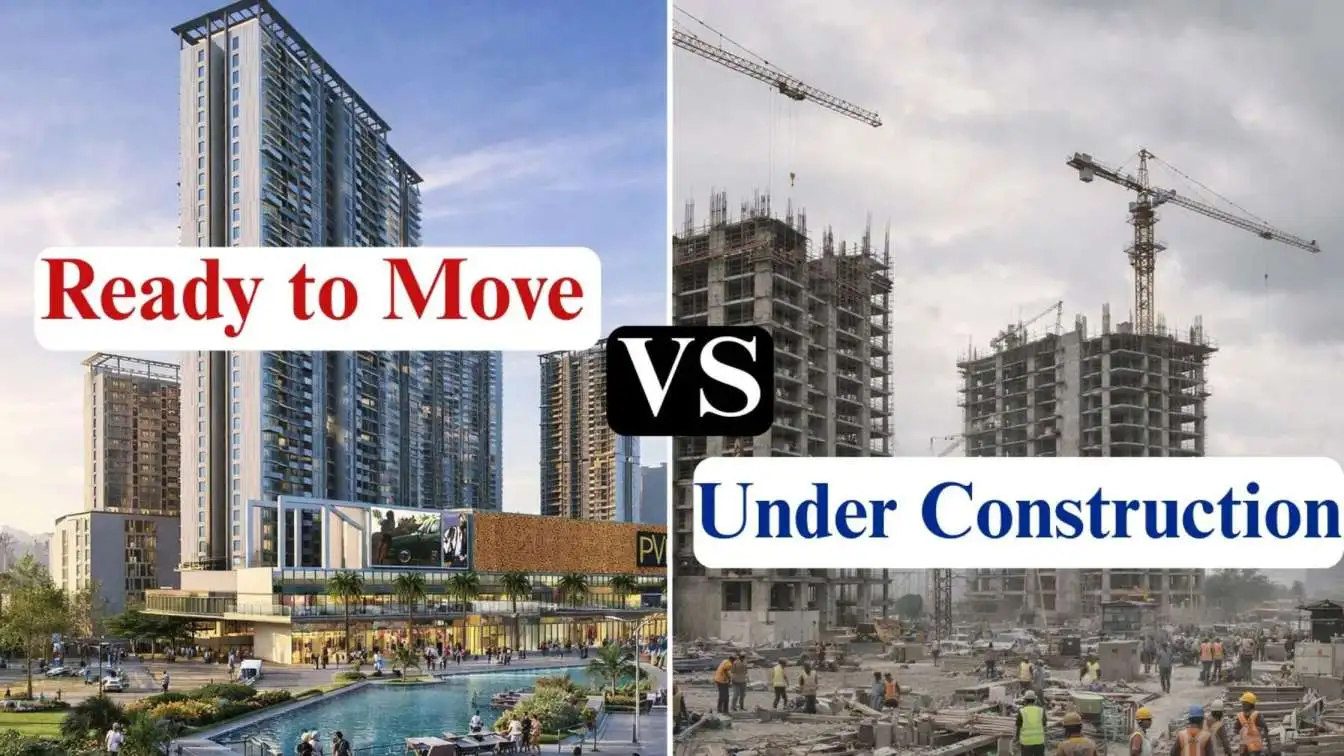
A turnkey rental property is basically a house or apartment that's ready to rent the day you buy it. Someone else (usually a company) finds the place, renovates it, puts tenants in, and usually handles rental property management for you. You buy the property, and it's already making money.
- No dealing with construction chaos
- No advertising for renters
- No DIY repairs on a Friday night
You can think of it as the fast-lane of real estate investing. People love it because it's hands-offa shortcut straight to passive income. You own real estate, get rent, and (if all goes well) never have to unclog a toilet.
Why Pick Turnkey Over Other Investment Properties?
Let's get real. Buying, fixing, and renting a house from scratch takes time and know-how most of us don't have. With turnkey rental properties, you skip the messy stuff and get straight to collecting rent. That means:
- Someone does the work upfrontfinding, fixing, renting
- The property earns money right away
- You rarely deal with tenants directly
- Out-of-state investing is possible (you don't have to live near the house)
Is it the cheapest way in? Not always. Turnkey homes often cost a bit more than fixer-uppers. But there's value in your time and peace of mind. If you've got a busy job or live far away, this makes owning real estate actually possible.
How Do You Start With Turnkey Real Estate?
Firstdon't rush. You want to pick the right company, in the right city, with the right process. Here's a simple step-by-step:
- Do your homework by researching turnkey companies (read reviews, ask for references, look up complaints)
- Pick a market with steady renters (think college towns, military bases, solid job markets)
- Check sample dealssee real numbers, not just estimates
- Ask who handles property management (sometimes it's in-house, sometimes third party)
- Hire your own home inspector (always double-check their move-in ready claim)
- Run the numbers: mortgage, taxes, management fees, repairsdo they leave enough for real profit?
The big mistake? Trusting a slick website and skipping the research. Companies want you to think it's totally hands-off, but you need to do at least this much work upfront to avoid nasty surprises later.
What to Watch Out For: Common Risk Traps
Turnkey rentals sound easy, but they're not magic. Here are real-life headaches people run into:
- The house isn't as "turnkey" as promisedbad inspections, hidden repairs
- Property managers get lazy, so tenants stop paying or trash your place
- Overpayingyou buy at the top of the market or pay "investor premiums"
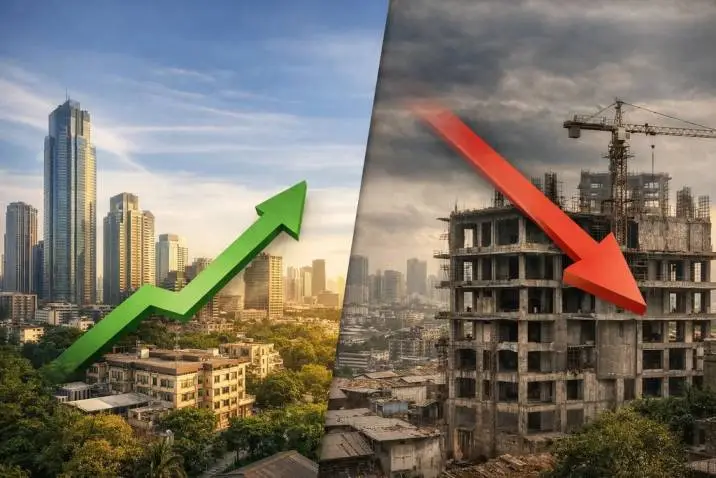
- Neighborhood goes downhill and rents drop
- You never visit, so you don't see problems building up
Here's what helps: always ask for proof of repairs, talk directly to property managers before closing, and plan a trip to see the property yourself if you can. Some investors even hire a local real estate agent as an extra set of eyes. Don't be afraid to walk away from a bad deal.
How Much Money Do You Really Make With Passive Income?
Everyone loves the idea of mailbox money, but let's talk honest numbers. Most turnkey rental properties will net you somewhere between $100 and $400 a month in true profit after all expenses. That's if everything goes smoothly. Rents, taxes, and management fees take a big bite. Some months, a repair wipes out your gains completely.
The upside? It's pretty steady if the house is in a good area and the management's solid. Plus, even if the rent barely covers your mortgage, you still own the houseso you're building long-term wealth. It's not a get-rich-quick scheme. It's more like planting a tree that grows slowly, but one day it's big enough that you never have to worry about your financial shade.
Who Should (and Shouldn't) Try Turnkey Investing?
If you're busy, want exposure to real estate, and hate stressturnkey rental properties make sense. Especially if you have cash for a down payment but zero time for hammer-swinging or rent collection. They're also great for people starting in real estate investing who want training wheels before buying big apartment buildings.
If you're hoping for double-digit monthly returns or want to flip houses fast, you'll be disappointed. Turnkey works best for patient folks who like the idea of a "set it and mostly forget it" asset. But rememberyou're still the owner. If things go sideways, the buck stops with you.
Sample Turnkey Rental Property Math
Let's try a simple example. You buy a turnkey home for $150,000. Rent is $1,400 monthly. Management takes 10%, taxes and insurance eat up another $300. Every month, you pocket about $960. Subtract your mortgagemaybe $750and now you're left with $210. Set aside a chunk for repairs and vacancy, and maybe you clear $150 a month.
Sounds small? Multiply by four houses, and now we're at $600 a month. Over time, rents usually rise, but the mortgage doesn't. That's the magic of real estate and why patient investors keep buying more properties when the numbers work.
Turnkey Rentals vs. Doing It All Yourself
Old-school investors love fixer-uppers because, if you do the work yourself, you can make more profit. But you pay with time, stress, and sometimes surprise expenses that kill your budget. With turnkey, you're paying for convenience. It's like buying pre-made dinner instead of cooking from scratch. You might spend a little more, but your evenings are free.
- DIY can mean more profitbut more risk, hassle, and learning curve
- Turnkey means more predictabilitybut sometimes less control
- Either way, you'll learn somethingand fast
Final Thoughts: Is This the Passive Income Stream for You?
Everyone wants easy income, but few people want to take the real risks that come with it. Turnkey rental properties offer a middle lane: real estate benefits without getting your hands dirty. If you want extra cash flow, are cool with slow growth, and like the sound of owning property from your couch, this fits.
Start by learning, double-checking every promise, and starting small. Buy one house. Let it run for a year, then see if you want more. The best time to plant a money tree is years ago. The second-best time? Today. Dive in, stay smart, and future-you will thank you for the extra income stream you built while everyone else was scared off by the details.
Frequently Asked Questions About Turnkey Rental Properties
- Is turnkey rental property a good idea for beginners?
Yes, turnkey rentals are good for beginners in real estate investing who want less stress. You get a ready-to-rent property, and someone else handles most of the work. But do your homework to avoid bad deals. - How do you find the best turnkey property companies?
Look for companies with lots of happy customers, clear numbers, and no pressure tactics. Ask for real references. Search for reviews and complaints online. A legit company answers your questions without sugarcoating. - Can I buy turnkey rental properties in another state?
Absolutely. People buy turnkey real estate in states where homes are cheaper or rents are higher. But make sure you feel good about the market and the property manager before sending any money. Plan a visit i you can. - How much money do I need to start?
Most people need at least 20-25% down for a rental property loan. For a $100,000 house, thats $20,000 to $25,000, plus some extra for closing costs and emergencies. Some companies offer lower minimums, but more cash down means less risk. - What could go wrong with turnkey rentals?
Lots of things: Bad property managers, hidden repairs, bad neighborhoods, or overpaying for a house. Thats why its so important to double-check everything. Always hire your own inspector and run your own mathnot just what they show you. - Do I really never have to do any work?
No, you cant go fully hands-off. Youll look at reports, talk to the property manager, and sometimes make big decisions (like repairs or new tenants). Its mostly passive incomebut youre still the boss.