If you've ever rented a place, you probably know that weird mix of worryit's not really yours, but your stuff's inside, and anything that goes wrong could cost you money or even mess up your rental history. Protecting rented home spaces doesn't mean turning your apartment into a Fort Knox, but it does mean thinking ahead and making choices that protect both your wallet and your peace of mind. Whether you're renting for just a few months or you plan to stay a few years, these secrets can help you keep your rental secure while saving real cash along the way.
Why Protecting Your Rented Home Actually Pays Off
People underestimate how much they can lose if things go south in a rentalsecurity deposits, personal belongings, even a good reference for the next place. Protecting rented home situations isn't just about locks; it's about smart habits, clear communication, and little upgrades that dont cost much but can save you big time later. Once, I didn't bother reporting a leaky pipe in my rental, thinking it was "no big deal." Three months later? Mold under the bathroom sink. Lost my deposit. Ouch.
- Damage adds up fast (and comes out of your security deposit)
- Landlords love responsible tenants (sometimes means better deals or flexibility later on)
- You sleep better knowing your stuffand your moneyare safer
- Simple fixes now can avoid expensive disasters later
What Simple Swaps Make a Rental Instantly More Secure?
Most renters think they can't change anything because it's "not their house." The truth: landlords want their property safe, too. Quick wins for rental home security:
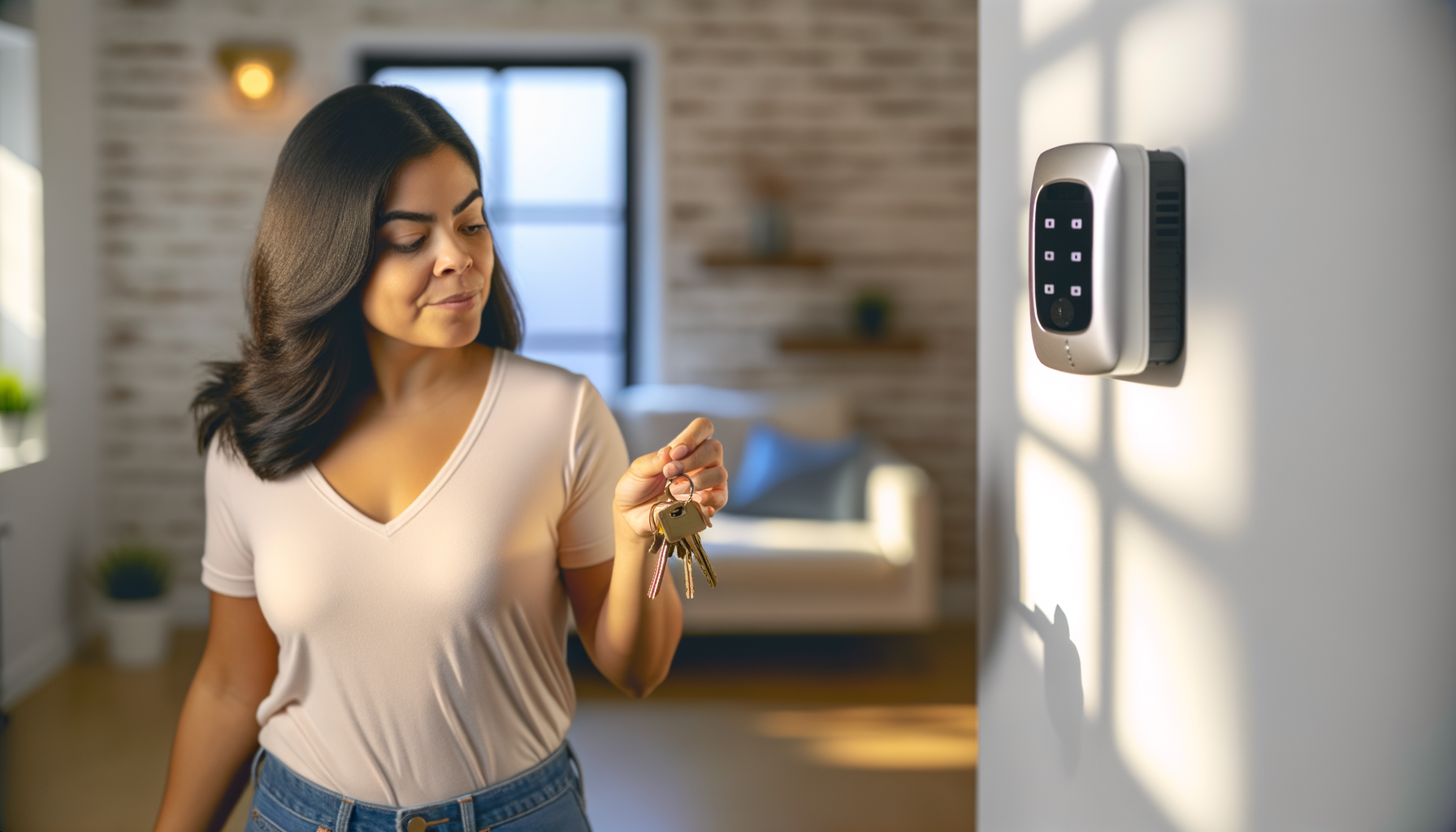
- Ask to upgrade the deadbolt (most landlords will say yes if you ask nicely)
- Add a cheap door stop alarm insidecosts less than takeout
- Stick-on window sensors: No drilling, no hassle
- Change your Wi-Fi password from the default (protects your smart devices and info)
- Keep spare keys with a trusted local friend, not taped under the flowerpot
The biggest mistake here? Assuming your building is "safe" because it's in a nice neighborhood. Crime happens everywhere, and even a small issue can spiral into big costs if you're not prepared. But don't go overboardsimple steps are usually plenty.
How Can You Protect Your Deposit (and Still Live Comfortably)?
Want your deposit back? Game plan: treat the place like your own, but also like you know you're giving it back someday. Here's how the pros do it:
- Sneaky picture-taking: Snap photos of everything the day you move in. Stains. Scratches. The wonky light switch.
- Write it all down: Send a copy to your landlord, so there's no "I forgot it was like that" drama later.
- Be picky about cleaning: The difference between "clean" and "landlord clean" is real.
- Use removable hooks and stripsno holes, no charges.
- Ask before painting or making big changeseven if you think it's an upgrade.
One time, my friend patched nail holes with toothpaste. Looked good for a month, until it cracked and ruined the wall paint. That tiny fix cost her $150. Moral? Be careful with shortcuts.
Whats Worth Insuring and Whats Not?
If you could lose everything in your rental to a fire or theft, would you be able to replace it all? Most renters skip insurance, thinking it's for homeowners, but protect rental investment includes your own stuff. Renters insurance is shockingly cheapoften less than dinner out each month. What to cover:
- Electronics: laptop, gaming console, phone
- Jewelry, heirlooms, important documents
- Temporary housing if something goes wrong
Tip: Skip coverage on cheap microwaves or toasters, and focus on high-value items. Read the fine print so you're not surprised later. A friend once found out her "fancy policy" didn't cover water damage, even though her roof leaked during a storm. Double-check and ask questions.
How Can You Save on Utilities Without Freezing (or Melting)?
Saving money on rent goes beyond the monthly payment. A lot vanishes through the wallsliterally. Want easy tenant savings tips that make a dent?
- Weatherstrip your windows (peel-and-stick foam lasts all winter)
- Block drafty doors with a rolled-up towel or a $10 draft stopper
- Swap old light bulbs for LEDs (your landlord gets free upgrades, you get lower bills)
- Use power stripsflip off stuff youre not using
- Curtains: heavier in winter, lighter in summer. Keeps temps comfy.
One winter, I dropped my heating bill by $40 just by plugging up a draft under the front door with a cheap pillow. Little stuff adds upseriously.
How to Talk to Your Landlord Without Drama
If youre scared to ask your landlord for something, youre not alone. But securing rental property often comes down to clear askspolite, specific, and in writing. Landlords are busy, but you can get what you need by:
- Explaining how your request also protects their investment (fixing locks, smoke detectors, etc.)
- Offering to do easy upgrades yourself, like put up stick-on window alarms
- Giving advance notice for issues (drips become floods if you wait too long)
- Following up if you dont get a response (a quick reminder email works wonders)
I used to avoid "bugging" my landlord, but after a burst pipe ruined my stuff, I learned: speak up early. It protects both of you.
Smart Habits That Make a Big Difference
Being a great renter isn't about walking on eggshells; it's about habits. Set up quick routines and you almost never have big, expensive problems. Try these:
- Lock upevery time, even if youre running out for 5 minutes
- Don't let packages sit outsideask neighbors for help if you're gone
- Clean as you go; don't let little messes become big ones
- Test smoke and carbon monoxide detectors every few months
- Update your landlord on anything strangelike new leaks or weird noises
Most owners are grateful when you care about their property. And you'll be glad you did if anything ever goes sideways.
FAQ: Real Answers for Renters
- Q: Whats the cheapest way to secure my rental home?
A: Grab a door stop alarm and stick-on window sensors. Both cost very little and dont require drilling or permission, but make your place safer instantly. Even keeping your porch light on at night can help. - Q: Do I really need renters insurance?
A: Yes. Even if your landlord has insurance, it won't cover your stuff. Renters insurance is cheap and protects you from big losses if something bad happens. - Q: How do I make sure I get my security deposit back?
A: Take photos of everything when you move in, fix small stuff early, don't make changes without permission, and clean extra well when you leave. Keep proof of what you did. - Q: Can I install a security camera in my rental?
A: Most landlords are fine with indoor cameras that don't damage the property. Outdoor cameras may need permission, especially if you have shared spaces. Always ask first. - Q: What if my landlord won't fix unsafe stuff?
A: Document the problem with pictures and messages, then ask again in writing. If nothing changes, check local tenant rightssometimes free groups can help you get repairs done fast. - Q: Are smart home devices worth it for a rental?
A: Yes, as long as theyre easy to take with you (like smart bulbs or plugs). They can add convenience and sometimes help with insurance discounts, but dont leave them behind when you move.
No matter how long you stay, protecting your rented home and building smart habits pays off. Start with one small thing, then stack a few more, and youll save stress and moneywhile feeling way safer wherever you live.