The dream of owning a home is a big one. It represents a place to call your own and a major life goal. However, the journey to homeownership is filled with many costs, both obvious and hidden. It’s crucial to understand these expenses before you sign any papers. This guide will explain why buying a house might empty your wallet and how you can prepare to avoid becoming what experts call "house poor."
The Upfront Cash Crunch: More Than Just a Down Payment
When people think about the cost of a house, the first thing that comes to mind is the down payment. But your initial cash outlay is much bigger than that. To get the keys, you need to be ready for a significant upfront cash crunch.
Why Buying A House Might Empty Your Wallet starts with these initial, unavoidable payments. One of the most common mistakes first-time buyers make is draining their savings completely to cover these costs. A financial advisor in a recent article strongly warned against this, noting that while it's common, it's not financially responsible. When you own a home, emergencies happen—a furnace breaks, or a pipe leaks. If you have no savings cushion, you could be forced into debt to handle these basic repairs.
Beyond the down payment, you must pay closing costs. These are fees for services like the home appraisal, title search, and loan processing. They typically add thousands of dollars to your bill and can range from 2% to over 6% of your home's purchase price. For a $350,000 home, that could mean an extra $17,500 or more due at signing.
The Hidden Costs That Keep on Taking
After you move in, the bills don’t stop with your monthly mortgage. Many hidden and ongoing costs can slowly drain your finances if you haven’t planned for them.
-
Property Taxes and Insurance: These are often bundled into your monthly payment. Property taxes can increase over time, and homeowners insurance is a must-have to protect your investment.
-
Private Mortgage Insurance (PMI): If your down payment is less than 20% of the home's price, lenders usually require PMI. This is an extra monthly fee that protects the bank, not you.
-
Utilities and Maintenance: The cost of heating, cooling, and powering a home is often much higher than for an apartment. Plus, everything inside and outside the home is now your responsibility to maintain and repair.
Homeownership transforms a simple monthly rent payment into a complex set of financial responsibilities. As one finance expert bluntly put it, a house is a "financial obligation" that costs "a small fortune every month" until it's paid off. This is a key part of understanding the financial drain of home buying.
The True Cost of Homeownership: A Monthly Reality Check
Let’s look at what a real monthly budget might look like for a homeowner. It’s much more than just a mortgage payment. Here’s a breakdown of potential expenses you must factor in:
| Expense Category | Estimated Monthly Cost | Notes |
|---|---|---|
| Mortgage (P&I) | $1,800 | Principal and Interest on the loan. |
| Property Taxes | $300 | Varies greatly by location; often escrowed. |
| Homeowners Insurance | $100 | Required by lenders; cost depends on home value/risk. |
| Private Mortgage Insurance | $150 | Required if down payment < 20%. |
| Utilities | $350 | Electricity, gas, water, sewer, trash. |
| Maintenance Fund | $300 | Rule of thumb: Save 1-3% of home's value yearly. |
| HOA Fees | $50 | If applicable; can be much higher. |
| Estimated Total | $3,050 |
This table shows how a $1,800 mortgage payment can easily become over $3,000 when you account for all the extra costs of home buying. Not planning for this is a top mistake that can lead to financial stress.
Market Risks: When Your Investment Doesn't Grow
Many people think of a house as a guaranteed investment. While it can be a way to build wealth, it’s not without risk. Home values can go down, not just up. According to a late 2025 report, homeowner equity fell by an average of $13,400 per homeowner in one year. Furthermore, the number of people who owe more on their mortgage than their home is worth is on the rise.
This means you could pay your mortgage for years but see the financial value of your property decrease. This situation, called being "underwater," is a major risk, especially if you need to sell the house quickly. An economist notes this is often driven by buyers who are already stretched thin with high loans and small down payments.
You may also read :- We Buy Houses Dallas Texas: Insights Every Buyer Should Know
Smart Planning: How to Buy a Home Without Going Broke
The goal isn’t to scare you away from homeownership, but to prepare you for it. With careful planning, you can achieve your dream without emptying your wallet.
-
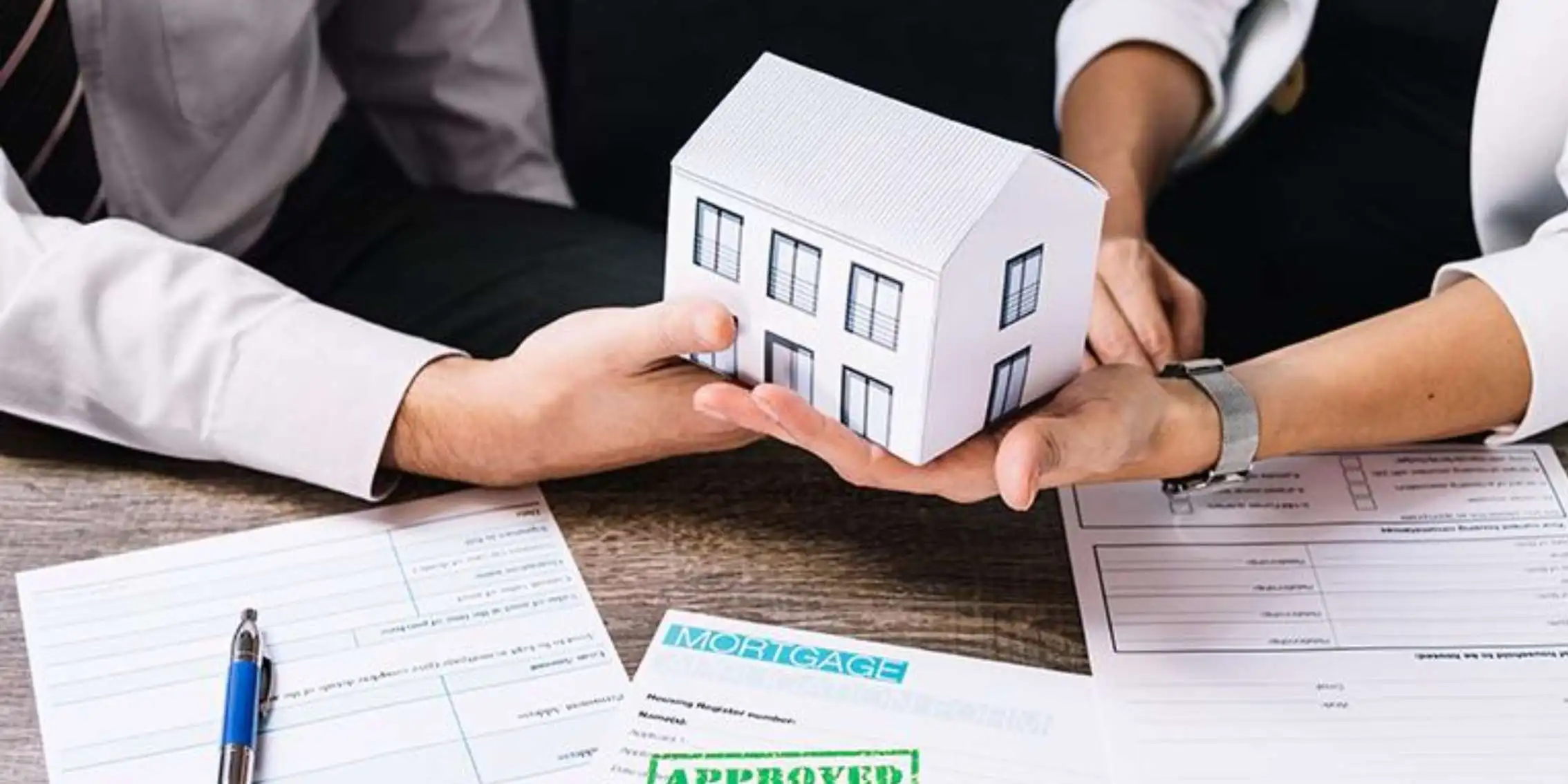
Get Pre-Approved First: Don't look at houses before you know what you can afford. A mortgage pre-approval gives you a realistic budget and shows sellers you’re serious.
-
Shop Around for Your Loan: Talking to only one lender is a common error. Consult at least three to find the best interest rate and terms. A slightly lower rate can save you tens of thousands over the life of the loan.
-
Budget for the Full Picture: Base your budget on the total monthly cost (like the table above), not just the maximum loan amount a bank will give you. Experts warn that stretching your budget to buy a home you love can put you at high risk if you face a job loss or other hardship.
-
Keep an Emergency Fund: Never use all your savings for the down payment and closing costs. A seasoned homeowner of 25 years advises that you must keep "at least a couple of thousand dollars back for emergencies".
-
Consider All Loan Types: Look into government-backed loans like FHA, VA, or USDA loans, which might offer lower down payment options if you qualify.
The housing market is always changing. Some experts predict a "new era" where rising incomes and stabilizing prices could improve affordability. This potential shift means that patience and preparation now could lead to a much more financially secure purchase in the future.
Frequently Asked Questions
Is it normal to use all my savings to buy a house?
While it is common for first-time buyers to drain their savings, most financial experts agree it is not a responsible plan. It leaves you with no financial cushion for inevitable home repairs or personal emergencies.
What’s the biggest mistake first-time homebuyers make?
Two of the most critical mistakes are buying more house than you can truly afford and failing to budget for all the hidden costs beyond the mortgage payment, like taxes, insurance, and maintenance.
Can I buy a house with little money down?
Yes, programs like FHA loans require as little as 3.5% down, and VA or USDA loans can require 0% down for eligible borrowers. However, a smaller down payment usually means higher monthly costs and extra fees like PMI.
How long should I plan to stay in a home to make it worth buying?
The general rule is about five years to recoup your initial closing costs and see enough appreciation to make the purchase worthwhile. However, this varies greatly by local market conditions.