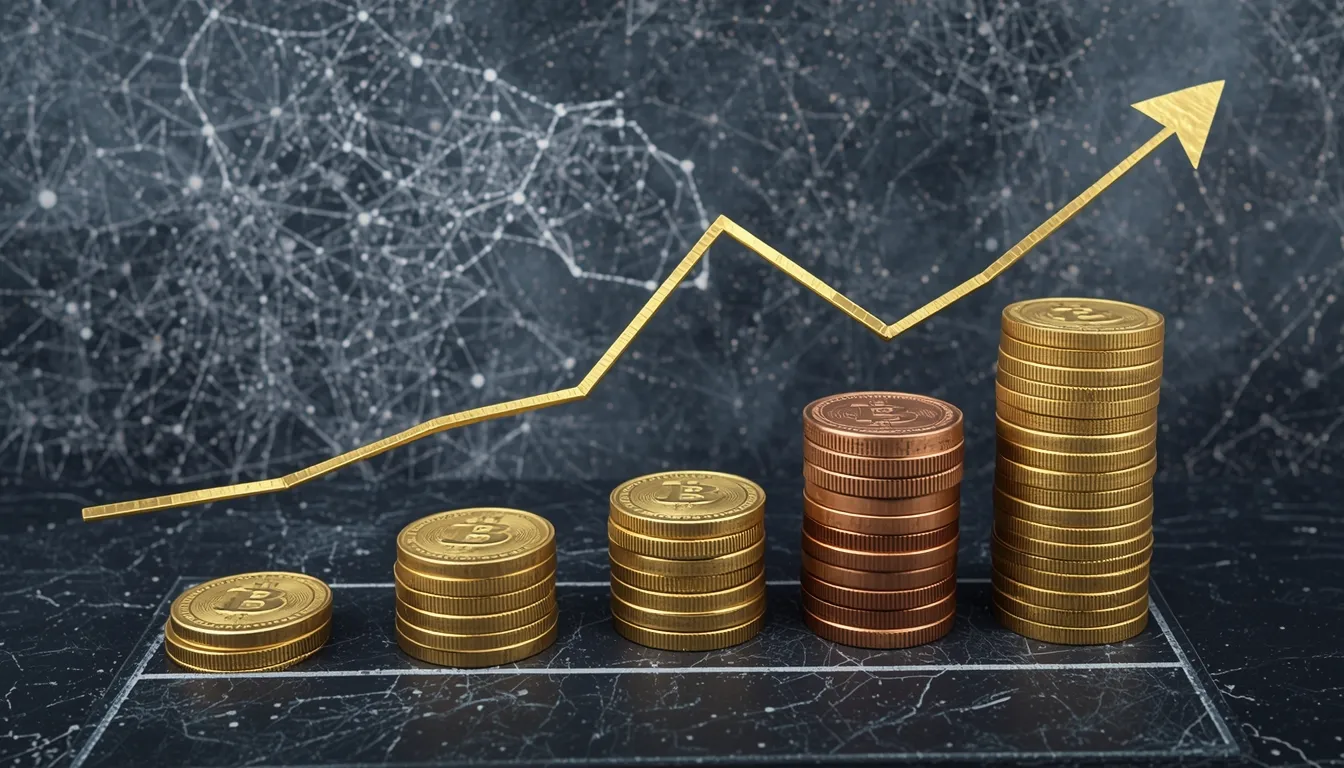
Why do some people seem to get richer without breaking a sweat, while others barely keep up? It often comes down to one skill: spotting things that grow in value over time. That's the real trick behind asset appreciationmaking your money and the things you own, work for you.
What Does Asset Appreciation Actually Mean?
Let's start simple. If you buy something (like a house, a share of stock, or even a rare comic book) and it's worth more later, that's appreciation. It's the opposite of stuff losing value, like when you drive a new car off the lot. Instead, we're talking about investment growth: picking things that tend to become more valuable the longer you own them.
- You buy a $1,000 painting; it's worth $2,500 five years later.
- You put money in a friend's bakery; the business doubles in size and value.
- You save for retirement and your account keeps growing each year.
That's not luckit's understanding what makes certain things go up in worth.
Why Should You Care About Appreciating Assets?
Most people work hard for their income. But if your assets (like a home, stocks, or savings) also earn more for you, that's how true wealth building happens. If you depend only on your job, your money is capped. But if your money is also working, you open the door to bigger opportunities.
- Extra security for emergencies
- Choices (like sending kids to college or starting a business)
- Freedom to retire comfortably, or even early
Taking a bit of time now to learn about asset value increase pays off for literally decades you haven't lived yet.
How Do You Make Asset Appreciation Work For You?
No, you don't need to have rich parents or a finance degree. It's about making smart, simple choices with whatever you have. The basics are the same, whether you have $500 or $500,000.
- Buy things that hold or rise in value. Houses, real estate, certain stocks, or even collectibles can grow in worth.
- Stay patient. The magic of long-term investments is giving them time to growthink years, not months.
- Keep learning. Even simple YouTube videos about investing can make a huge difference.
- Don't borrow too much. Debt eats into whatever gains you make.
Pick one thing to start with. Maybe it's a retirement plan through work, or your first stock purchase. Build from there.
Which Kinds of Assets Usually Appreciate Fastest?
Some things are more likely to rise in valuethough there are no guarantees. Here are a few of the classics:
- Real estate: Over time, property in good areas tends to grow in value, especially if you take care of it.
- Stocks and index funds: Buying small bits of big, successful companies: this is how most retirement accounts grow.
- Collectibles: Think art, old coins, even rare sneakers. But you have to know what you're doingmost stuff doesn't appreciate just because it's old or rare.
- Businesses: Your own or other people's new start-ups sometimes explode in value (but this is risky, so only use money you can afford to lose).
Most experts recommend splitting your bets: put some money in safe, slow-growing things, and a little in things that might skyrocket.
Common Pitfalls (and How to Dodge Them)
This all sounds great, but there are ways to get tripped up. Heres the stuff that bites most beginners:
- Panic-selling. The market dips, you freak out, you sell. But if you held on, it would have bounced back.
- Ignoring fees. Investing isn't free. Even small fees add up and can eat into your long-term investments.
- Falling for "guaranteed" deals. If someone promises you a huge return, run. Real investment growth takes patience and risk management.
- Focusing only on trends. Buying hot stocks or crypto because everyone else is doing it is risky. Often, the party is over by the time you jump in.
Mess up? So do plenty of others. Learn and move on.
Asset Appreciation vs. Quick Cash: What's Smarter?
Is flipping stuff for fast profit bad? Not really, but it's not the same as building wealth. Asset appreciation means thinking about what your future self will thank you for. Slow, steady growth usually wins over risky bets.
- Get-rich-quick = chasing trends, big risk, easy to lose money
- Appreciation = steady investment, patience, bigger gains over time
Try to do a little of both if you must, but make appreciation your main goal.
How Much Should You Invest in Appreciating Assets?
There's no perfect number. Start with what you can affordseriously, even $20 a week matters. The trick is to stick to it, and increase as your income grows. Over time, small steady amounts turn into a giant snowball.
- Use a basic budget (spend less than you make, invest the rest)
- If your job offers a match for retirement, grab itit's free money
- Check in every year to see if you can bump up your investments
And don't forget: every dollar you invest for the long-term counts.
Is There a Catch to All This?
Here's the truth: not every investment goes up. Some things lose value. That's why spreading your bets (diversifying) is smart, and why patience pays off. Sometimes things take a dip before they rise.
- Don't gamble more than you can afford to be without for years
- Check your investments occasionally, but don't obsess every day
- Ask for help if you're lostthere's no shame in starting small and learning as you go
FAQs About Asset Appreciation
- Whats the easiest way to start investing for asset appreciation?
For most people, the easiest start is a retirement account through work or a basic investment app. You can start small, and most apps let you pick safe, steady funds. The goal is to keep adding money regularly and let time do its thing. - Do all assets go up in value over time?
Nope! Cars, electronics, and most everyday stuff lose value fast. Real estate, stocks, and a few rare items tend to grow if you pick wisely and wait. You need to do your homework before putting in money. - How long should I wait to see real appreciation?
It takes years. Some assets might spike in a year, but real asset appreciation often takes five, ten, or even more years. If you want fast cash, appreciation might not fitbut for long-term gains, patience is key. - How risky is investing in appreciating assets?
There's always some risk. Markets crash, property values drop, companies fail. But if you spread your bets and stick with it, you've got a good shot at steady investment growth. Never put in money you can't leave alone for a while. - How can I tell if an asset is likely to appreciate?
Look for things people will always need (like housing), or things that get rarer over time (like classic art). Do some researchcheck past prices, read up, and ask others. If it sounds too good to be true, it probably is. - What common mistakes should I avoid with asset appreciation?
Don't chase get-rich-quick schemes, ignore high fees, or invest all your money in one thing. Check your emotionsdon't freak out during downturns. Focus on the basics and stick with your plan.
Ready to Grow Your Money?
Making your money grow isn't a secret club. Start small, make steady moves, and think long-term. Learn as you go, and don't get thrown off by setbacks. The best time to start is noweven if 'now' is just learning more. Your future self will be glad you did.