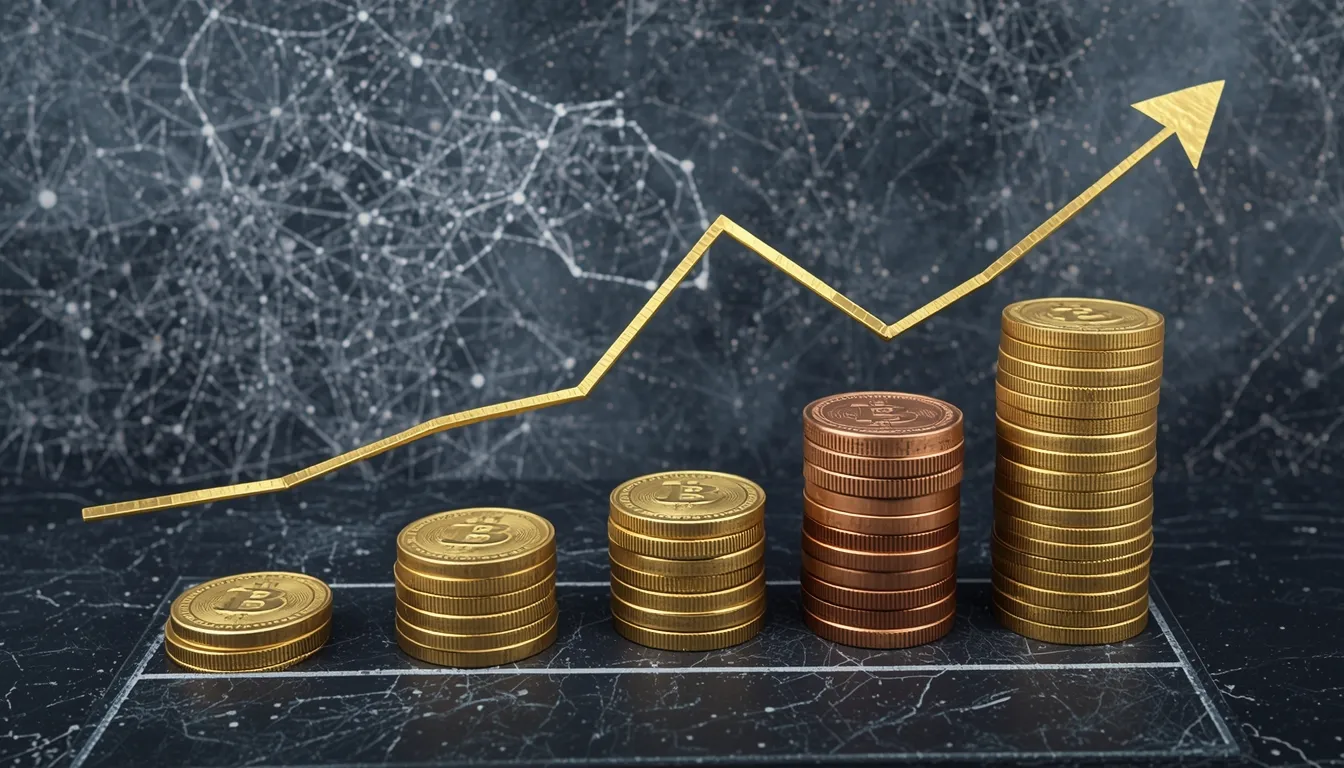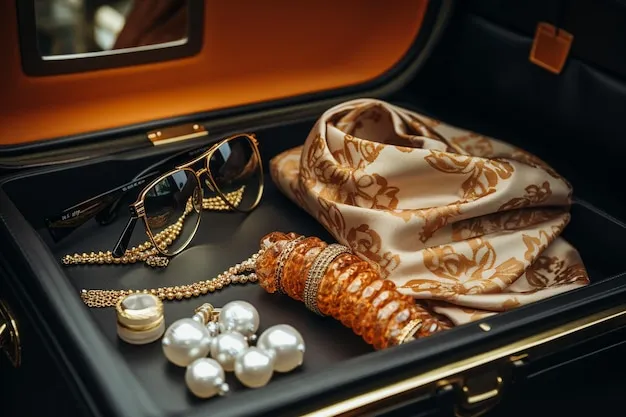
In a world where traditional investments often dominate the conversation, a quieter yet powerful opportunity is gaining attention: luxury assets. Beyond their beauty and prestige, certain high-end goods appreciate steadily over time, offering both enjoyment and financial upside. From iconic watches and rare handbags to fine art and limited-edition jewelry, discerning buyers are discovering that luxury can be strategic as well as stylish. Investing in luxury items that gain value allows individuals to diversify their portfolios while owning tangible assets with cultural and historical significance. These pieces often benefit from scarcity, craftsmanship, and brand legacy—factors that can protect and even enhance their worth during economic uncertainty.
It’s Not What You Buy, It’s How You Buy
The biggest mistake is thinking any expensive thing will go up in value. That’s not how it works. The market for investment-grade luxury is picky, emotional, and runs on rules most people never see.
The golden rule: You have to buy the right piece, from the right brand, in the right condition, with the right paperwork. Miss one, and you’re probably buying a depreciating luxury, not an appreciating asset.
Why this mindset matters: It changes your entire approach. You’re not a consumer; you’re a curator. You’re buying for the long term, not for next season’s trend. This patience is what separates the winners from the folks with a closet full of regretted purchases.
Category 1: The Timeless Workhorse - Luxury Watches
If any category has mastered the art of value retention, it’s watches. But not all of them.
The brands that actually gain value: Rolex (sports models like Submariner, GMT-Master, Daytona), Patek Philippe (almost anything, but especially the Nautilus and Aquanaut), and Audemars Piguet (the Royal Oak). Independent makers like F.P. Journe and Richard Mille are in their own stratosphere.
Why they work: Scarcity, brand mythos, and insane build quality. Rolex makes about a million watches a year, but demand is for ten million. They control their distribution tightly, creating years-long waitlists. This isn’t an accident; it’s strategy.
How to buy smart:
-
Buy the icon, not the fancy complication. A steel Rolex Submariner (ref. 124060) is a better bet than a diamond-dial, two-tone version of a less popular model.
-
Full set is everything. That means the original box, warranty papers (the “card”), and any hang tags. A watch with papers can be worth 20-40% more than the same watch without.
-
Condition is king. Light wear from careful use is fine—it’s “patina.” Deep scratches, polished cases (which removes metal), and water damage tank value.
The catch: The entry point is high, and you need to do your homework. The retail price for these pieces is often just a starting point; the real market is the certified pre-owned sector. Don’t walk into a boutique expecting to walk out with a Daytona.
Category 2: The Wearable Art - Designer Handbags
This is where my early mistakes cost me. I bought trendy “It” bags that were worthless in three years. The market for bags that gain value is even more specific than watches.
The hall of fame: Hermès (Birkin, Kelly, Constance), Chanel (Classic Flap, 2.55, certain Boy Bag editions), and Louis Vuitton (limited collaborations like those with artist Yayoi Kusama or certain trunk pieces).
The Hermès secret: This is the masterclass. You can’t just buy a Birkin. You often need a “purchase history” with the brand—buying scarves, shoes, perfume—to even be offered one at retail. This artificial scarcity is what drives the secondary market price to double or triple the retail cost instantly.
How to buy smart:
-
Leather, color, hardware. For Hermès, the most coveted leathers are Togo, Clemence, and exotic skins like Crocodile. Neutral colors (black, gold, etoupe) and gold hardware hold value best. A bright pink Birkin in a seasonal leather is a risk.
-
Keep everything. The dust bag, the box, the ribbon, the receipt. Authenticity is everything in this market.
-
Limited editions over seasonal trends. A Chanel bag from their annual Métiers d’Art collection will fare better than a random seasonal style.
Personal story: I bought a Chanel Classic Flap in caviar leather 10 years ago. It’s been my most-used bag. I checked its current value on a resale site recently, and it’s now worth about 70% more than I paid. I literally got paid to carry it.
Category 3: The Passion Play - Collectibles & Beyond
This category is for the true enthusiast. The value is deeply tied to passion, which makes it fun but volatile.
Fine Jewelry: Signed pieces from houses like Cartier (Love bracelets, Trinity, vintage Panthere), Van Cleef & Arpels (Alhambra), or Tiffany (vintage Schlumberger) do well. The value is in the craftsmanship and the gold/gems, not just the name.
Designer Furniture: Mid-century modern icons by Hans Wegner, Charles & Ray Eames, or Charlotte Perriand. A well-kept original can be a museum piece.
The “if you know, you know” stuff: High-end audio equipment from brands like McIntosh, certain LEGO sets (the Millennium Falcon, Taj Mahal), or even vintage Star Wars action figures, unopened.
Why these work: They’re pieces of cultural history. Their production runs end, they get loved by a dedicated community, and surviving examples in good condition become rare.
The big warning: This is the riskiest category. You must truly know your niche. A fake is easy to buy. Trends change. This should be the last place you explore, only after you’ve fallen down the research rabbit hole for fun, not profit.
The 5 Rules Before You Spend a Dime
-
Buy What You Love First. The market can crash. A trend can fade. If you’re stuck with it, you should at least enjoy looking at it or wearing it. Never buy purely for financial gain.
-
Condition is Non-Negotiable. Keep the box. Keep the papers. Don’t polish the watch yourself. Don’t get the handbag re-dyed by some random cobbler. Preservation is key.
-
Do the Homework. Spend 20 hours researching before you spend $5,000. Know the model numbers (the “reference”), the common flaws, the going rate on the secondary market (check sites like Chrono24 for watches, Fashionphile for bags).
-
Use Trusted Sellers. For pre-owned, use established, authenticated dealers with reputations to protect. The extra 10% you pay for peace of mind is worth it.
-
Think in Decades, Not Years. This is a long game. You’re not day-trading watches. You’re acquiring a piece you’ll hold for 10, 15, 20 years. Let the scarcity and demand build.
What should you do today?
Start with curiosity, not your credit card.
Pick one category that intrigues you. Maybe it’s watches. Filter for “Rolex Submariner, steel, with box and papers.” See what they’re actually selling for.
Notice the patterns. See which models always come up. You’re not buying yet. You’re building your eye.
The goal isn’t to never spend money on nice things. It’s to get smarter about it. To know that when you do decide to make that big purchase, there’s a real chance it won’t just be a beautiful object—it could be a beautiful part of your financial picture, too.
That’s the real secret. The best luxury isn’t the one that costs the most. It’s the one that gives you joy today and quietly grows more valuable tomorrow.
FAQs Section
Q: Is buying a luxury watch really a good investment?
A: It can be, but you have to be picky. Think of it as a “passion asset” that might appreciate, not a stock portfolio. Always buy first because you love it and will wear it. The potential gain is a bonus, not a guarantee. Stick to iconic models from Rolex, Patek, or AP in good condition.
Q: What’s the single most important thing for a bag’s resale value?
A: Authenticity and condition, in that order. Without rock-solid proof it’s real, it’s worthless. Then, no stains, odors, or structural damage. Having the original dust bag, box, and receipt (“full set”) adds a significant premium, sometimes 20% or more.
Q: Do cars ever gain value?
A: Rarely, and it’s extremely specific. Certain limited-run supercars (Ferrari F40, Porsche 911 Singer), untouched “barn find” classics, or the very first model year of an icon might. But 99.9% of cars, including most new luxury sedans and SUVs, are terrible investments that lose value fast.
Q: How much should I spend on my first investment-grade luxury piece?
A: Start at the entry point of a solid category. For watches, that might be a pre-owned Rolex Oyster Perpetual or a Tudor Black Bay (Tudor is Rolex’s sister brand). For bags, a classic Louis Vuitton Neverfull or a Chanel Wallet on Chain. Get used to owning, wearing, and maintaining a quality piece before you drop $50k.
Q: Where’s the best place to sell these items later?
A: For watches and bags, established online consignment platforms like WatchBox, Crown & Caliber, Fashionphile, or The RealReal (though vet them carefully). They handle authentication, photography, and sales for a commission. For very high-value items, a physical auction house like Phillips or Sotheby’s might be best.
Q: What’s the biggest rookie mistake?
A: Buying retail for the wrong reason. Walking into a boutique and paying full price for a readily available, non-iconic model is often a fast way to lose 30% the second you walk out. The investment market lives in the secondary, pre-owned space for iconic pieces. Do your research first.
Conclusion
Choosing to invest in luxury is not about chasing trends; it’s about understanding quality, rarity, and long-term demand. When carefully selected and properly maintained, luxury goods can outperform many conventional investments while delivering personal satisfaction along the way. The key lies in research, patience, and a focus on timeless appeal rather than fleeting popularity. As global wealth grows and appreciation for craftsmanship deepens, luxury items that gain value are likely to remain a compelling option for investors seeking both elegance and returns. Ultimately, investing in luxury is where passion meets prudence—transforming beautiful objects into enduring assets.