You know that feeling when underdogs steal the show? That's Paralympics for ya—over 70 years of athletes with disabilities smashing doubts like they're made of paper. Started with British war vets wheeling into action, now it's this epic global bash that has the Olympics looking over its shoulder. Grab a chai; let's rewind through the raw moments that made it legendary.
Dr. Ludwig Guttmann: The Guy Who Lit the Fuse
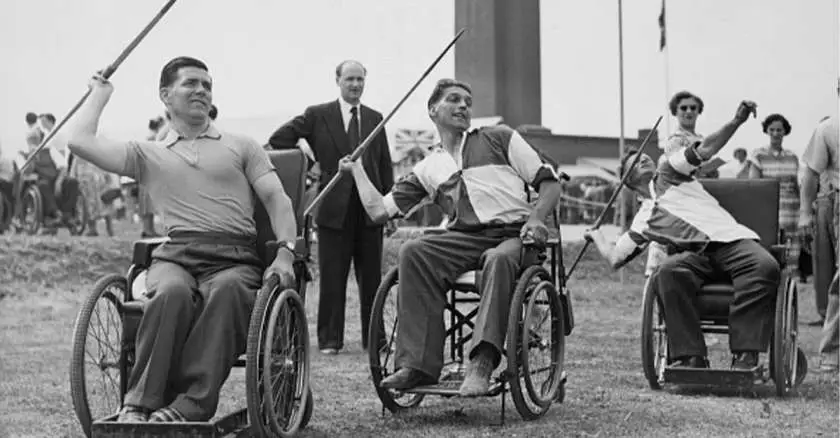
Britain's like, "Guttmann, sort out this spinal injuries spot at Stoke Mandeville Hospital." Sports? Meant for healing at first. But damn, these patients turned pro-level quick. Needed actual games, not playtime. Bang—On the 1948 London Olympics opening day, Guttmann rolls out the first wheelchair comp. Stoke Mandeville Games, named after the joint. Just 16 wounded servicemen and women, arrows flying. The spark ignited. Massive, right?
You may also read :- From Local Heroes To National Hopeful: Who To Watch Next
The games go international
Dutch and Israeli veterans changed the original name of the Games to the International Stoke Mandeville Games after they participated in the 1952 competition. The event has taken place almost every year since then under various titles, including the Paralympics, World Wheelchair Games, and IWAS World Games, which began in 1997.
Rome 1960: Birth of the Real Deal
Enter 1960 Rome. First official Paralympics. 400 warriors from 23 countries, hungry for wins. Locked in with Olympics rhythm—four years apart. Summer bonus: International Working Group on Sport for the Disabled forms. They dive deep into gritty stuff, like what disabilities really throw at competitors. No fluff, real fixes.
Tokyo Paralympics in 1964
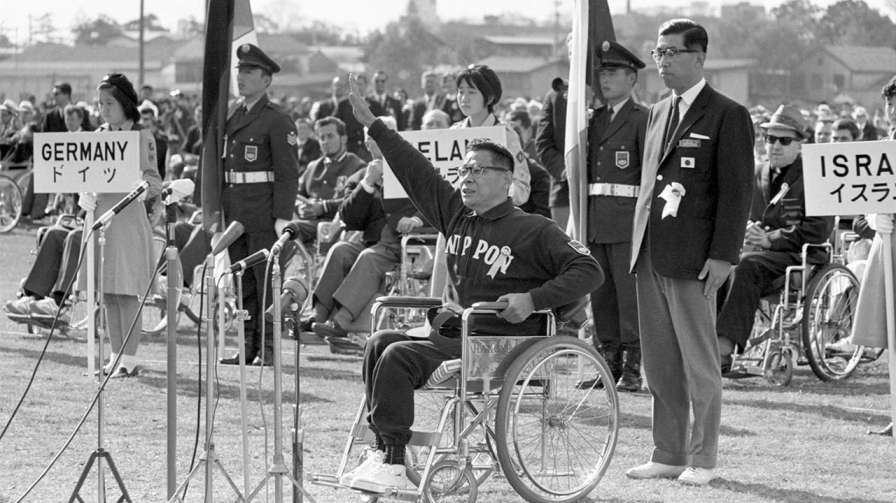
Tokyo grabs round two. Lineup? Archery, athletics, darts (random but fun), snooker, swimming, table tennis, powerlifting, wheelchair hoops, and fencing. All crammed into six city venues—tight! ISOD births are in the same year. Mission: Loop in paraplegics, cerebral palsy fighters, amputees, and the vision-challenged. Doors wide open now.
First amputee and vision-impaired athletes in 1976
The 16 original members who established ISOD dedicated their efforts, leading to the groundbreaking first inclusion of amputee and visually impaired athletes at the 1976 Paralympics held in Toronto. North America proudly hosted its inaugural Paralympics at this significant event. The event introduced exciting new wheelchair racing distances, which included the 200-meter, 400-meter, 800-meter, and 1,500-meter events, while officials recognized shooting and goalball as official medal competitions.
First Paralympic Winter Games
Ski gear levels up; snow sports call injured troops and disabled everyday heroes. Örnsköldsvik, Sweden (tongue-twister alert) first Winter Paralympics. 198 from 16 nations share alpine/cross-country; ice sledge demos steal hearts. Frosty trails, fiery souls.
Neroli Fairhall: Paraplegic Pioneer in Olympics
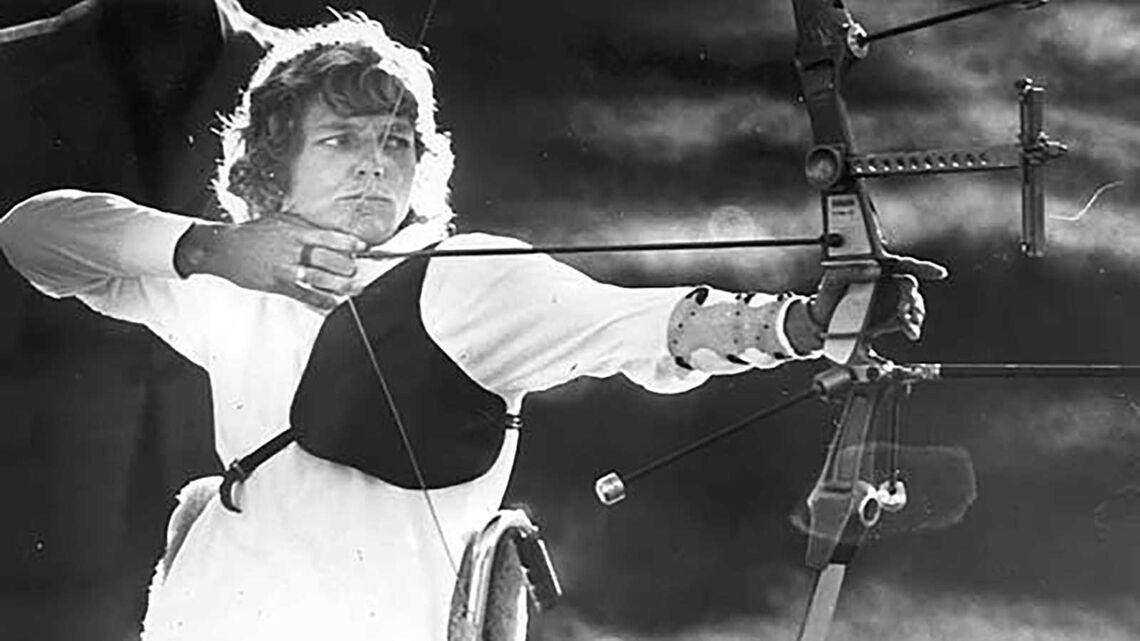
New Zealand Herald spills the tea: 22-year-old Neroli, moto-crash paralysis. No quit. National archery boss, '80 Paralympic gold, '84 LA Olympics? She's the first paraplegic ever there—35th place. No bling, all heart. Inspired a generation.
Pál Szekeres: Double-Dip Medal Master
Pál, Hungarian fencer—'88 Seoul Olympic team foil bronze (Wheelchair & Amputee Sports Fed. confirms). '91 bus smash, wheelchair bound. Pivots to Paralympic fencing: '92 gold, '96 double gold, bronzes '00-'08. First human to bag medals in both Games. Icon status.
Barcelona '92: TV Takes Over
'92 Barcelona—the world wakes up. Full live TV blanket, home turf. Olympic-level roars from stands. 3,000 athletes, 16 sports, and records obliterated by the hundreds. Tipping point. Everyone's hooked.
Atlanta 1996: Intellectually Disabled Jump In
Atlanta brought another first: athletes with intellectual disabilities got to compete for the first time. (Thanks to the BBC for covering that, by the way.) Also in 1996, the Paralympics became the first international sports event to land corporate sponsors from all over the globe. Money? Finally flowing. And right before the Games started, the third Paralympic Congress sat down to hash out two big issues: how to give disabled people more political and economic power, and what elite sports challenges still needed fixing. Progress.