What Are Mobile Health Services and Why Do They Matter?
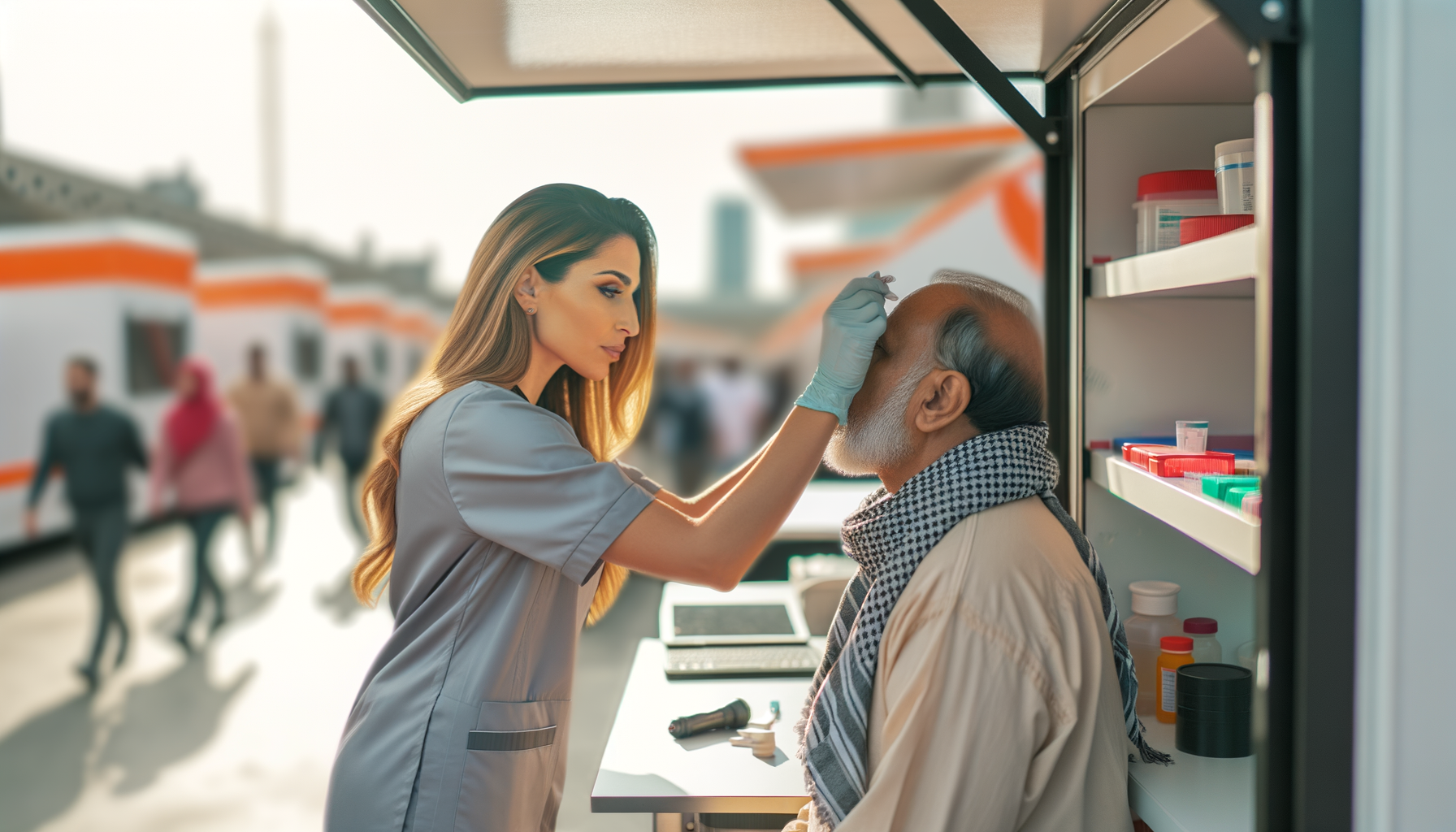
Mobile health services are all about bringing healthcare right where you are. Instead of driving to a clinic or waiting weeks for an appointment, you can get care while sitting at your kitchen table or even on your work break. We're talking about vans, buses, and pop-up clinics that do everything from blood tests and screenings to vaccinations and health checks on the spot.
This matters for a ton of reasons. Maybe you live far from a traditional doctor or have a crazy schedule. Mobile medical testing makes it easier for you, your family, or even your coworkers to get checked out fast. It takes the pressure off crowded clinics and lets more people get help, especially in places that usually get ignored.
How Do Mobile Health Clinics Work?
Think of mobile health clinics as mini health hubs on wheels. These units are stacked with medical tools, expert staff, and everything needed for basic care. When one shows up in your neighborhood or workplace, you can walk inside, sign up, and get services like blood pressure checks, cholesterol tests, and even some diagnostics.
- Services usually need a short sign-up
- Many offer same-day results for basic tests
- You get privacy, just like in a clinic
- Some provide phone or text reminders for follow-ups
The best part? No judgment or giant paperwork mountains. You're there, you get what you need, and you're out.
Mobile Medical Testing: What's Possible?
You might be surprised at how much can be done outside a regular hospital. Mobile diagnostic services now offer a huge list of on-site tests and health screenings, including:
- COVID-19 and flu testing
- Blood sugar and cholesterol monitoring
- Pregnancy and rapid STI tests
- Hearing and vision checks
- Mental health assessments
It's not just for emergencies, either. These pop-up crews work at schools, offices, factories, sports eventsyou name it. All it takes is a short visit, and you've got real answers without weeks of stress.
On-Site Health Screening for Work and Community
Bringing healthcare to where people gather makes life easier for everyone. For businesses, on-site health screenings help keep employees healthy and catch problems before they get serious (or expensive). For big events or schools, quick mobile health services make sure issues like outbreaks are caught early.
- Cuts sick days and boosts productivity at work
- Helps schools keep kids in class and parents' minds at ease
- Makes health checkups way less scary and more convenient
It's one of those things you wish existed sooner, especially if you've ever tried to schedule a doctor's visit during a busy week.
What Are the Benefits and Drawbacks?
The upside of mobile health clinics and testing is pretty obvious: convenience, speed, and access. You get real care where you are, not just in big cities. It's great for people who don't love waiting rooms or want quick answers.
- Fast service, no endless waiting
- Personal care in your neighborhood
- Less time away from work or family
- Available in places with few regular clinics
But it isn't perfect. Some mobile services can't handle serious emergencies or complicated issues. If you need long-term care, you'll still need to see your main doctor. And sometimes, there can be limits on what can be done on-site.
Common Mistakes People Make with Mobile Health Services
- Assuming all testing is 100% accuratefollow up if something feels off
- Not bringing ID or insurance info if needed
- Skipping recommended follow-ups because you 'feel fine'
- Pushing off important tests since a mobile clinic is 'convenient', then forgetting altogether
Don't make these mistakes. Mobile health clinics are a huge help, but you still need to check your results, ask questions, and follow up on anything out of the ordinary.
Real Stories: How People Use Mobile Health Services
A dad who works double shifts finally gets his cholesterol checked right before his evening shiftturns out it was higher than he thought, and now he's back on track. A college student finds a mobile mental health van on campus and gets support she wouldn't have reached out for otherwise. A group of friends sign up at a fair for a quick health screening and discover a couple of them have high blood sugar, leading to fast action with their doctors.
Mobile health clinics aren't just about technology or convenience. They're about real people getting real help, right on time.
Choosing a Good Mobile Health Service
- Check for proper licensing and medical staff credentials
- Look for reviews or ask your community who they trust
- See what tests and screenings are offered on-site
- Ask about how you'll get your results (text, email, call)
- Know if they can refer you to a specialist if needed
Don't be afraid to ask questions. A legit mobile medical testing crew will explain everything in simple terms and make it easy to understand.
What Should You Expect During Your Visit?
Most visits are quick and straightforward. You show up, fill out some basic info, and talk to a nurse or medical staff. They'll walk you through what happens next, so no surprises. Most mobile diagnostic services are happy to explain each step, so you're never left wondering what's going on.
- Bring ID and any current medications if you have them
- Mention allergies or issues upfront
- Ask when and how you'll get your results
You'll leave with either your results in hand or a clear idea of the next steps. If you ever feel rushed or confused, speak up!
The Bottom Line: Why Try Mobile Health Services?
If you've been putting off a checkup, need a quick screening, or just want answers fast, mobile health services might be the best option you've never tried. They're built for busy lives and real people who want care without extra hassle. Book a visit when you see a mobile medical testing van nearby or ask your job or school if they offer on-site health screening. Taking care of your health doesn't have to be complicated or time-consuming anymoresometimes, it really is as simple as stepping outside.
FAQs About Mobile Health Services
- How accurate are mobile health clinics compared to regular clinics?
Mobile health clinics use professional equipment and trained staff, so most tests are as accurate as you'd get in a standard clinic. But for really complex tests, they might send your sample to a big lab. If you're unsure about your results, ask for a second check or follow up with your main doctor. - Do I need health insurance to use mobile medical testing?
Not always. Some mobile clinics offer free screenings or sliding scale prices for people without insurance. It's a good idea to check ahead, just to be sure, and bring your insurance card if you have one, but many services try to make care accessible to everyone. - What should I bring to a mobile health clinic?
Bring a photo ID, your insurance card if you have insurance, and a list of any medications you take. If you have health conditions or allergies, let them know right away. These simple steps can make your visit easier and faster. - Where can I find mobile health clinics in my area?
You can spot them at schools, workplaces, community centers, and local events. Some towns or cities share schedules online, and many workplaces or schools organize them for employees or students. If you can't find one, ask your local clinic or city office if there are plans to bring one nearby. - Are mobile diagnostic services private and confidential?
Yes. Mobile health clinics follow the same privacy rules as regular clinics. Your info and test results are kept privat, and you get them directly. If you have questions about how your data is handled, don't be shy about asking. - Can mobile health services help with ongoing conditions?
They can help with quick checks, screenings, and some treatments, but for ongoing issues like diabetes or heart disease, you'll still need a regular doctor. Mobile clinics are great for getting started or keeping up with routine checks, but they're not a replacement for all your care.