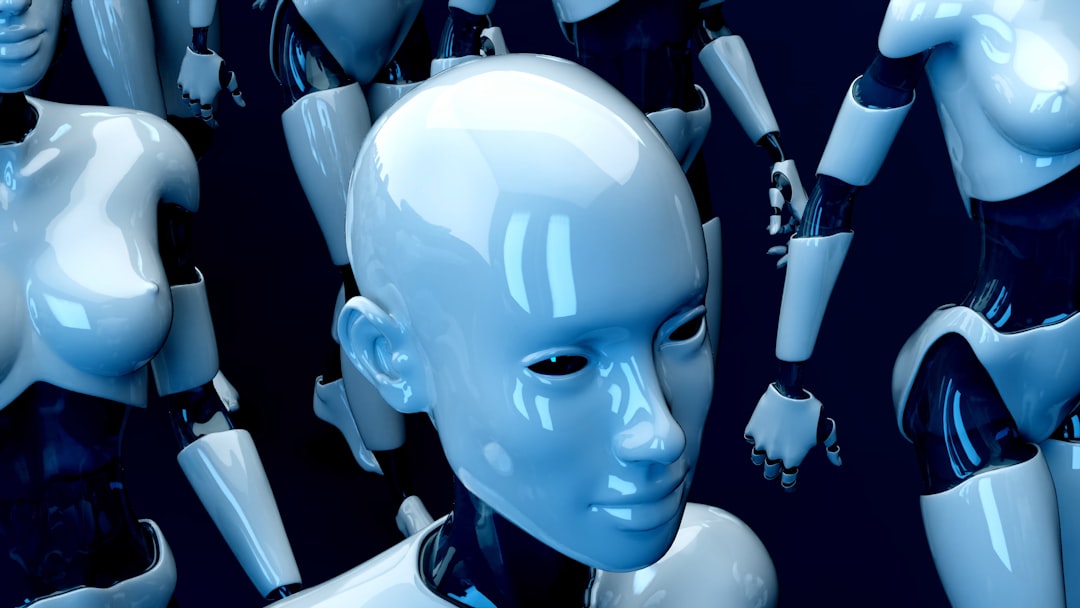
You dont have to be a coder to land a cool job in the world of artificial intelligence. The truth? AI is creating a bunch of new careers that sound like sci-fiexcept theyre hiring right now. You might not believe some of them, but every major shift in tech sparks jobs nobody saw coming. Thats whats happening with AI. Forget the boring robot overlords; its way messier, more human, and sometimes just plain weird.
Will robots take our jobsor make new ones?
Every big tech leap brings the same old worry: What if machines leave us all unemployed? Heres the actual deal. Yes, some jobs change (or disappear). But artificial intelligence careers are popping up in places most people dont expect. If youre curious, creative, or can spot patterns (even in memes), youve got options.
- AI job opportunities arent only for programmers
- Skills like critical thinking, empathy, and storytelling matter more than ever
- Companies need people to make AI useful, safe, and less, well, creepy
What are the wackiest new jobs in AI?
Some of these roles didnt exist a few years ago. Others sound fakeuntil you see the job postings. Heres a quick look at future technology jobs powered by AI:
- Prompt Engineer: You write instructions for chatbots so they dont spit out something awkward. Its half therapist, half puzzle master.
- AI Ethicist: Make sure machine decisions arent biased or unfair. You spend a lot of time asking "Wait, is this okay?"
- Digital Twin Designer: Build virtual copies of people, places, or things for testing, training, or fun.
- AI Sports Strategist: Use AI to analyze plays and stats faster than any coach, then explain it in plain English
- Robot Personality Writer: Give robots or virtual assistants a sense of humor (or at least a better reply than "I dont understand").
- Data Labeler: Sort through images, recordings, or video so AI learns whats what. Not glamorous, super important.
The wildest part? These are just the start. AI careers grow and spin off new gigs every year.
How do you get into artificial intelligence careers?
No PhD required! Heres what actually helps:
- Learn basic AI concepts (lots of free courses out there)
- Get good at spotting patterns or weird stuff in data
- Build projectschatbots, wacky art, simple automations, whatever interests you
- Follow AI news and communities to see where things are going
- Dont be afraid to mix your current skills with AI (writers, artists, accountantseveryone can jump in)
The secret isnt fancy degrees. Its showing you know how to work with (or around) AI.
Which industries are hiring for AI jobs that aren't all about coding?
Youd be surprised. AI is sneaking into everything. Heres where emerging tech careers are starting to bloom:
- Healthcare: Training AI to spot patterns in X-rays, helping with patient chatbots, or making sure health advice isnt wrong or scary
- Education: Creating smart tutoring tools, adaptive tests, or personalized learning experiences
- Retail: Crowdsourcing predictions (what styles will be hot) or analyzing shopping habits
- Media & Entertainment: Writing scripts with AI, generating music or deepfakes, fighting misinformation
- Security: Building tools that spot fraud, threats, or just weird stuff online
Every time AI reaches a new field, it needs humans who get that worldso your background matters!
What mistakes do people make when chasing AI careers?
Lets be realtheres a lot of hype, but also some easy-to-fall-for myths. Be careful with these traps:
- Thinking you must know high-level math or code (not true for every job)
- Believing one short course will get you hired (projects show your skills better)
- Ignoring the "people" sideAI that nobody wants isuseless
- Not staying curious; this field changes monthly
- Forgetting to ask, "Who does this help?" whenever you work on an AI project
Want a mini-takeaway? Stay flexible, ask dumb questions, and look for spots where AI is making real impactnot just headlines.
How do you stay ahead when everything's changing so fast?
No one has all the answers in the AI world. The trick is getting comfortable with uncertainty. Heres how:
- Keep learningread, watch videos, join online groups
- Build stuff even if its messy or small
- Talk to people doing these jobs (youll get the inside scoop on what matters now)
- Dont get stuck on job titles; skills get hired, not names
- Remember: AI needs humans (for now), especially the ones who can explain or fix things when they go off track
Think of AI like a powerful new tool. The people who get the best from it are the ones who arent afraid to tinker and try.
What's it really like working in an AI job?
Heres what nobody tells you: Its a mix of cool breakthroughs and head-scratching fails. One day the bot you built makes everyone laugh. The next, it gets stuck responding "Im sorry, I cant do that" to every question. Youll need patience, a sense of humor, and a willingness to Google a lot. But when something finally works, it feels like youre living in the future (even when youre in sweatpants).
How do you know if an artificial intelligence career is right for you?
You dont know until you try. But if youre curious, like solving weird problems, and want to work on something that keeps changing, give it a shot. Mix your skills, mess with projects, talk to people in the field. Plenty of folks jumped in without a plan and found their fit. Your perfect AI job might not existyetbut you could help shape it.
FAQs about artificial intelligence careers
- What are the most in-demand careers in artificial intelligence?
Some top picks are AI engineers, data scientists, AI trainers, and prompt engineers. But jobs like AI ethicist and robot personality writer are catching up. It depends on your skillstheres space for technical and creative people. - Can I get into an AI job if I can't code?
Yes! Many AI jobs focus on things like testing, training, writing, or designing. Youll need to understand how AI works at a basic level, but tons of roles dont require hardcore coding. Soft skills matter a lot. - Do AI jobs pay well?
Most of the time, yes. Even entry-level roles in emerging tech careers pay more than average, especially if you have some experience or unique skills. The top spots like AI architect or lead machine learning engineer offer some of the highest salaries in tech. - How do I switch careers into artificial intelligence?
Start by learning AI basics and playing with projects. Find problems in your current field and try solving them with AI. Employers love people who can blend their old skills with new tech. Networking and online communities help too. - Are AI industry roles only in tech companies?
Nope. Every industry is hiring for AI jobs nowhealthcare, law, sports, even the arts. If you have domain knowledge plus some AI smarts, youll stand out. Lots of non-tech companies value people who can help them use AI wisely. - What's the biggest myth about working in AI?
That you need to be a numbers genius or a coding wizard. Plenty of artificial intelligence careers use communication, design, or problem-solving skills. Anyone can get started if they stay curious and keep learning.
Exploring artificial intelligence careers isnt just smartits one of the fastest ways to future-proof your working life. Start wherever you are. Dont wait for a perfect course or clear path. AI changes, and so can you. Take a first step, mess up, learn, and try again. You may end up in a job you never thought possible.