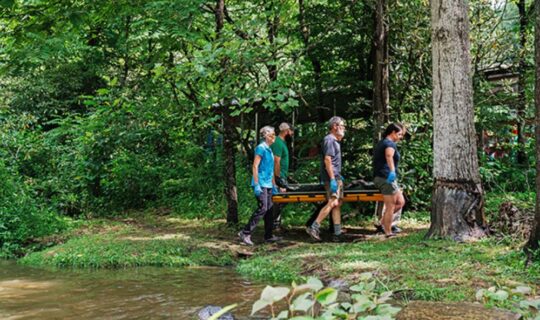
You know that thrill when you're about to step off the beaten path? That tiny rush that comes before hiking deep into the wild or gearing up to take on a new outdoor challenge? Yeah, adventures look amazing on Instagram—but the real stuff happens when you go off-grid and things get a little unpredictable.
Whether you're camping, backpacking, paddling, or heading out for a weekend under the stars, having the right outdoor adventure tips turns nerve-wracking into something you can handle. We're talking about practical moves you can make—survival strategies that don't need a scout badge, wilderness skills that keep you in one piece, and outdoor safety ideas you might wish someone told you sooner. Ready for smarter trips and better stories? Let's get to it.
How do you prepare for an outdoor adventure?
Preparation isn't just about throwing snacks and bug spray in your backpack. You want to think about where you're going, what you're doing, and what could go sideways. It all starts with research and a little honesty about your experience level.
- Know your map and route (GPS is great, old-school paper is backup)
- Check weather forecasts—twice
- Pack for emergencies, not just what you hope happens
- Tell someone where you’re going and when you’ll be back
- Test new gear at home first (tents, stoves, water filters—everything)
Why bother with all this? Because it's way easier to deal with a blown tent pole or sudden storm when you saw it coming. I've had rain turn a routine campout into a chilly mess, all because I didn't double check for a dry bag. Make your mess-ups happen before you leave, not in front of a bear.
What survival strategies actually work?
Forget the TV drama—real survival is less about wrestling bears and more about staying safe, fed, and dry. Good survival strategies focus on the basics:
- Find or build a shelter fast if the weather looks rough
- Stay dry and warm—hypothermia can sneak up quick
- Always carry a small, sharp knife and a lighter or waterproof matches
- Learn basic water purification (boil, filter, or use purification tablets)
- Signal for help if you get lost—whistle, bright color, or reflective object
Most people get into trouble when they panic. Stop, breathe, and remember: shelter, water, warmth, then food. Once, a friend of mine got turned around in the woods just before dark—her emergency blanket made all the difference. Not glamorous, but it saved her night.
Which wilderness skills are non-negotiable?
Wilderness skills aren't about building rafts from scratch or starting fires with rocks (unless you want to). These are the basics anyone should know:
- Map reading and using a compass
- Knowing plants—what's safe to touch or eat, and what's not
- Simple first aid (blisters, cuts, splints)
- Camp cooking over a fire or stove
- Knot tying for tents, tarps, and gear repair
Why do these matter? Nature doesn't care if you watched a YouTube how-to. Bad knots mean your shelter collapses. Not knowing poison ivy? Enjoy that itch. Learn these at home—it's nothing fancy, but you'll feel confident when it matters.
What outdoor safety steps do pros swear by?
Outdoor safety is less about avoiding danger and more about respecting how fast stuff changes. Even the most laid-back trip can get sketchy. Here’s what seasoned hikers, campers, and guides stick to every time:
- Always check in with local regulations and possible hazards (wildlife, closed trails)
- Never let your phone be your only navigation or light source
- Layer clothes—cotton kills in the cold, so go for wool or synthetics
- Keep a charged headlamp in reach, not buried in your pack
- Trust your gut—if something feels off, it probably is
I've seen too many trips go sideways because someone ignored a small problem and it grew into a big one. Bring an extra pair of socks. Hydrate more than you think you should. And don't let pride keep you from turning back.
What camping techniques make the biggest difference?
Camping is way more enjoyable when you know a few clever tricks. These camping techniques save you hassle and keep things running smooth:
- Set up camp before it gets dark—always
- Stick to flat, higher ground to avoid morning puddles
- Hang your food up and away from your tent (critters hate to ask nicely)
- Prep meals at home to save time and trash
- Keep your sleeping bag fluffy and dry—it’s your ticket to warmth
One summer, I once woke up floating after ignoring a gentle slope. Lesson learned: Small details matter. Do the basics well and the rest falls into place. Bring a repair kit—duct tape fixes a lot.
How do you pick the right adventure gear?
Picking adventure gear isn’t about biggest, newest, or most expensive. It’s about what fits you, helps you, and won’t quit when you need it most. Here’s what to consider:
- Comfort: Test boots and backpacks ahead of time
- Weight: Lighter isn’t always better, balance comfort with function
- Weatherproof: Tents, jackets, and boots should handle everything you expect
- Multi-use: Look for gear that can do double duty (spork, multitool, buff)
- Reliability: Read reviews, ask friends, then try it yourself
I once brought a super cheap headlamp on a night hike and it died after an hour. Never skimp on your “can’t do without” gear—like lights, shelter, or stove. If it’s essential, it has to work. Borrow before buying if you’re new. You don’t need a mountain of stuff, just the right few things.
Real-life mess-ups (and how to prevent them)
Here’s the truth: Even outdoor pros make mistakes. That's how you learn. The first time I packed for a week-long trip, I forgot toilet paper and packed three can openers instead. Rookie move. You’re going to mess up. The goal isn’t perfection—it’s being ready to handle a surprise and laugh about it later. Double-check gear at home, make friends with lists, and accept that nature always wins in the end.
FAQs
- What's the most important outdoor adventure tip for beginners?
Start small. Try a short hike or an overnight camp before going big. You'll figure out what works (and doesn't) early, so you can fix the small things before facing bigger challenges. Even experienced people forget basics sometimes. Starting simple helps you build the confidence you need. - How do you stay safe when you're solo in the wilderness?
Tell someone where you're going and when you expect to be back. Bring extra supplies and keep a charged phone or a whistle in easy reach. Stay on marked paths and listen to your instincts. Solo adventures are amazing but being prepared for small emergencies will make you less stressed if something goes wrong. - What survival gear should always be in my pack?
Always carry a sharp knife, some way to make fire, an emergency blanket, a water filter, and a small first aid kit. These five things cover most basic needs—shelter, warmth, water, and treating small injuries. Add a headlamp and backup batteries if you’ll be out after dark. - I'm new to camping. What mistake should I watch out for?
Don't wait until dark to set up your tent. Setting up in daylight gives you time to figure things out and see possible hazards (like rocks or roots). It also helps keep your stuff dry and safe. Practicing at home helps you avoid flustered late-night fumbling in the wild. - How do you pick the right hiking boots?
Make sure they fit well—no pinching, plenty of room for your toes, and good ankle support. Try boots on with the socks you'll use for hiking and walk around your house or yard. Break them in before your big trip. Blisters come from tight or badly-fitting boots more than anything else. - Can you camp safely in bad weather?
Yes, but you'll need to be prepared. Use gear that can handle rain and wind, choose your campsite carefully (avoid low spots), and test your tent at home. Bring dry clothes in a waterproof bag. If things get rough, don't be afraid to pack up and leave. Safety always beats stubbornness out there.
Whatever adventure you take on next, make it yours. Start with what you know, learn what you don’t, and don’t sweat the mistakes—they’re stories for later. Gear up, get outside, and remember that nature teaches better than any screen ever could.