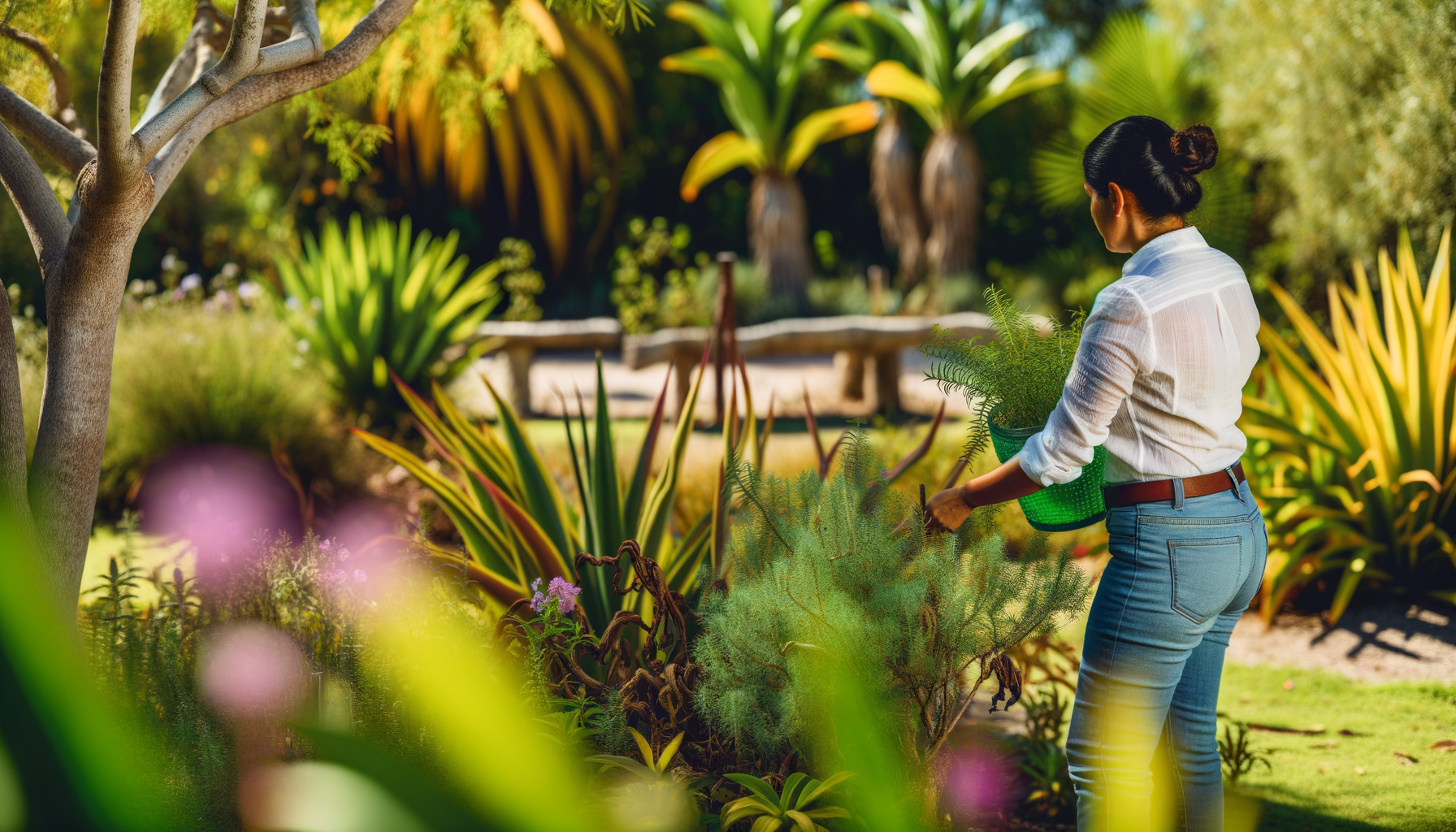
If you've ever daydreamed about a yard that's lower maintenance, buzzing with butterflies, and turns heads because it's full of lifenot just grassyou're not alone. Building a native plants garden ecosystem isn't hard, but it does take a little planning and the right know-how. The payoff: less watering, way more wildlife, and a garden that feels like it belongs right where you live. Today, you'll get the simple steps to create your own slice of wild, beautiful nature, using nothing but plants that already call your region home.
What Are Native Plants and Why Bother?
Native plants are the ones that have been growing in your area long before people started mowing lawns. Think about wildflowers, old local grasses, or ancient trees along your hiking trail. The cool thing? These plants are built for your weather, pests, and soil. They don't need much help from you.
- They need less water
- No fancy fertilizers required
- Bug-eating birds and butterflies love them
Trying to grow roses or tropical plants in a dry or cold area is like trying to wear flip-flops in a blizzard. They're out of place, they struggle, and you spend a fortune helping them surviveand even then, they're not happy. Native plant landscaping means every plant is right at home.
How Do Native Plant Gardens Help Wildlife?
Native gardens don't just look pretty. They're like a buffet for local animalsespecially pollinators and birds. Native flowers feed bees and butterflies. Grasses and shrubs give birds places to nest. Without these plants, local critters lose out.
- Butterflies and bees rely on native flowers for food for their whole life cycle
- Songbirds find shelter and insects to eat in these plants
- Frogs and turtles use small native ponds or wet areas as safe homes
The more native your space is, the wilder and friendlier to wildlife it becomes. It's one of the simplest ways to create wildlife friendly gardens without having to do anything extreme.
Can You Really Save Time and Money with Native Plants?
Short answer: yes. Native plants are used to your local climate. That means they'll shrug off droughts, handle frosts, and mostly ignore pests. You'll water less, and you won't spend weekends fighting weeds or bugs. No truckloads of fertilizers or sprays.
- Once natives are settled, they need way less care than lawns or exotics
- Native plants crowd out weeds naturally
- Forget about paying for big bags of chemicals
This is sustainable gardening at its simplest: grow what works, not what doesn't. Plus, you'll spend lessand get time back to actually enjoy your yard.
Planning Your Own Native Plants Garden Ecosystem
Okay, let's get practical. First, check what region you're in. Your local plant nursery or extension office can list all the plants that grow wild near you. Pick a mixsome for shade, some for sun, some tall, some short. Think about the seasons. You want color and cover all year, so choose a mix that blooms at different times.
- Sketch your yard on paper, marking sun and shade
- List a few shrubs, groundcovers, and wildflowers for each area
- Pick a small patch to startdon't try to overhaul everything at once
- Add logs or rocks as hiding spots for wildlife
- If you have space, dig a tiny pond (frogs and dragonflies will move in fast)
Native plant landscaping doesn't need to happen overnight. Swap out a patch of boring lawn for a group of native flowers this year. Add a berry bush the next. Over time, you'll see more birds, more butterflies, and probably some curious neighbors asking questions.
Dealing with Common Problems (And How to Avoid Them)
Alright, it's not all sunshine and daisies. Some native plants spread fast. Others might look dead in winter (they're just sleeping). You might also get new insectsor weeds that sneak in, especially at the start.
- Start with small groups of new plants to see how they behave
- Research which native plants play nice together
- Mulch around young plants to hold moisture and block weeds
- Lean on your local garden group for advicesomeone nearby has done this before
- Be patient! Native gardens look a little wild, especially at first
It's easy to make mistakeslike planting too close or picking a species that's super aggressive. If a plant is taking over, just dig some up and gift it to someone. Wildlife will adapt, and so will your new garden.
What Happens to Biodiversity in Gardens with Native Plants?
Here's the magic part: every time you add a native plant, you boost your garden's web of life. That's what biodiversity in gardens is all about. More kinds of flowers or shrubs means more insects. That draws birds, which bring in other wildlife or help keep bugs in check.
- More native species mean more kinds of birds and bugs
- Gardens get healthier and less prone to outbreaksnature balances itself
- Wildlife has a safe haven, even if the rest of the neighborhood is all lawns
This isn't just about looking pretty (although it totally does). You're helping your whole area stay wilder and stronger, starting in your own backyard.
Tips for a Thriving, Low-Maintenance Native Garden
Want to keep things simple? Choose plants already thriving at a local park or roadside (that's proof they're tough). Plant denselybare ground attracts weeds. Keep an eye out for trouble, but don't panic about every chewed leaf; that's wildlife, not a crisis.
- Water new plants well their first few weeks, then back off
- Skip the pruning and let seed heads stand for birds
- Relax about perfectiona wild look means more wildlife
- Every season, add one or two new native species
You'll be surprised how easy a native plants garden ecosystem is once things establish. Most people end up wondering why they didn't start sooner.
FAQ: Native Plants Garden Ecosystems
- What makes a plant 'native' for my area? A plant is native if it grew in your region before humans brought in species from other places. Check with your local garden center or use online guides for your zip codethey list true locals that will do well in your yard.
- Can I mix native plants with my favorite non-native flowers? Yes, but you'll get the best results for wildlife and low care if you stick mostly with plants from your area. A few non-natives are fine, just make sure they're not invasive or heavy feeders.
- How do I pick the best native plants for sun or shade? Pay attention to where each plant naturally grows nearby. Sunny wildflowers don't do well in shade, and woodland natives won't love full sun. Local plant lists often mention the best spots for each speciesuse that as a cheat sheet.
- Do native plant gardens attract more bugs and pests? At first, you might see more insects, but that's usually a good thing. You're creating a food chain for birds and other wildlife. Most pests get eaten naturally, so you don't have to worry about sprays or bug problems like with fussy plants.
- How do I stop weeds from taking over my new native garden? Mulch helps a tonspread a couple inches around new plants. Plant densely so there's less bare soil. In the first season, pull weeds by hand, but after that, your natives will crowd most of them out.
- Will a native plants garden look messy? Some people think so at first, but that's just because we're used to tidy lawns. A native garden is a bit wilder, but also way more interesting. Add paths or rocks if you want structure, and you'll find your garden still looks great.
Ready to try something new? Swap out one corner of your yard for native plants this year. Let the wild come back, watch the butterflies and bird show up, and take pride in a space that's easier to care for and truly alive. It's your gardenmake it fit where you live, not the other way around.