Ever plant something in your garden, only to watch it fizzle out and give you nothing but a wilted leaf and regret? Youre definitely not alone. Plenty of gardeners toss money and hope into the dirt, dreaming of rainbow beds and jaw-dropping blooms, but end up getting stuck with plants that never settle in. Heres the real trick no one brags about in glossy magazines: native plants for gardens can put those fancy imports to shame. And you dont need a degree in botany or a fussy schedule to make it happen.
What are Native Plants and Why Should You Care?
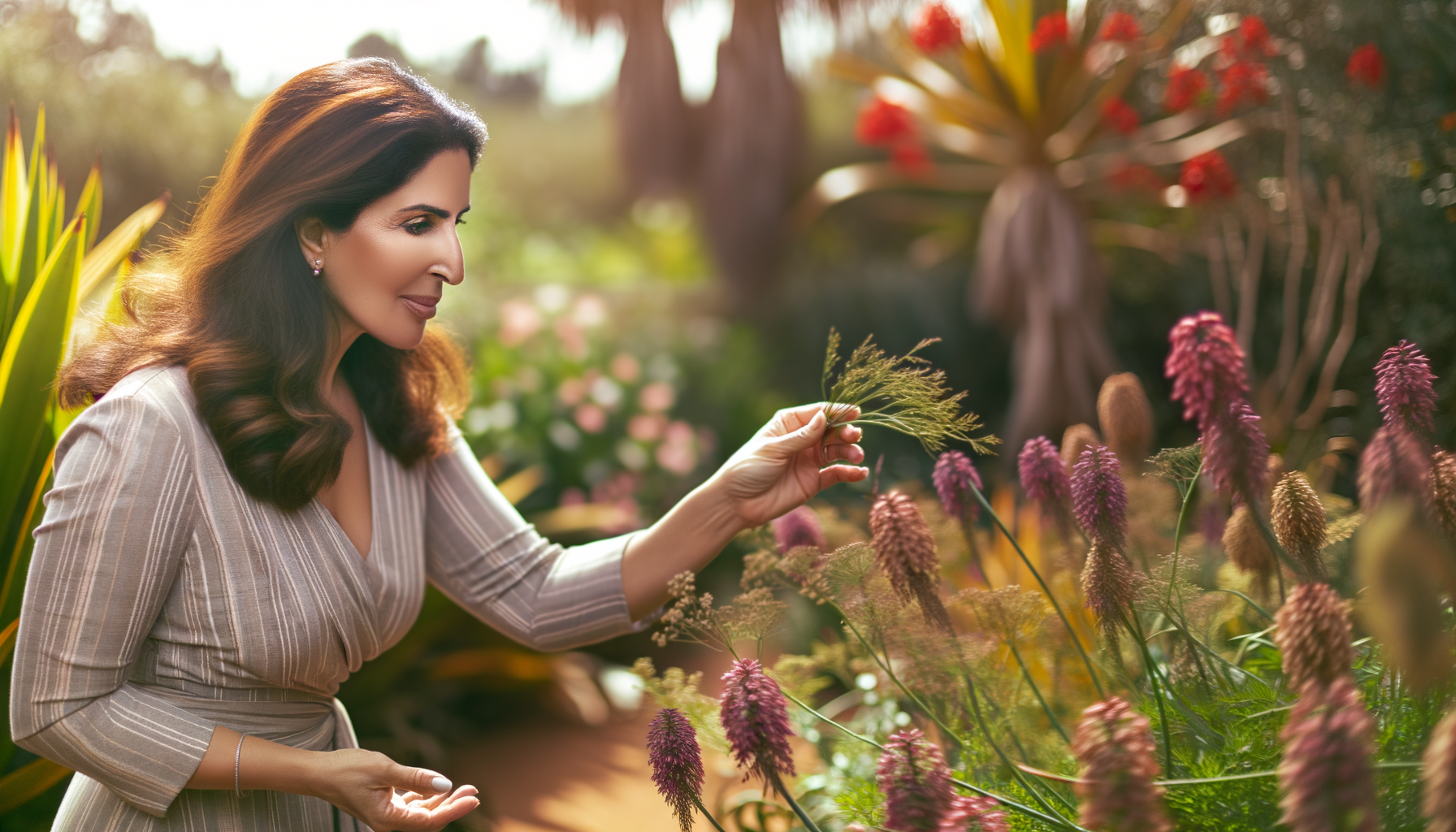
Native plants grew up in your area, long before anyone started planting roses from somewhere else. They're basically localsborn and raised to handle your weather, your rain (or lack of it), and your local bugs. No diva drama.
- Less work: They already know how to survive your yards wild mood swings.
- More blooms: The best native plants for blooms deliver color you didnt even expect.
- Wildlife love: Bees, butterflies, and birds flock to these plants like regulars at a favorite diner.
If youre tired of plants that need special food, constant attention, and coddling, native flowering plants are your new best friends.
How Do You Pick the Right Native Plants for Your Garden?
First, dont panic. You dont have to memorize every Latin name or read a 400-page gardening book. Local garden centers almost always have a section for native flowering plants. Ask your neighbor with the pretty yard what they use, or check your states ag website for lists.
- Look for plants labeled "native" or check with local gardening clubs.
- Start with a few no one said you had to redo your whole yard at once.
- Pick plants built for your sun (or shade) situation.
Growing native plants usually means less fuss, but theyre still plants. Water them until they settle in, then cut way back.
Great Native Flowering Plants That Always Impress
- Purple Coneflower (Echinacea): Tough, super colorful, and butterflies love them.
- Black-eyed Susan: Big yellow blooms, zero attitude.
- Bee Balm: Red, pink, or lavender flowers and smells good after a rain.
- Milkweed: Monarch butterflies basically camp on this one.
- Wild Columbine: Red and yellow flowers, can grow where its kinda shady.
Dont overthink it. Try a couple, and see what happens. Even one or two new plants can get things looking (and smelling) totally different.
Do Native Gardens Look Wild and Messy?
This is the big myth. People think native equals "let it all grow crazy." It doesnt have to. You can use all the native garden ideas you want and still have things look tidy.
- Group flowers together big, colorful chunks look awesome.
- Use mulch (wood chips, pine needles, whatever you like) to keep things neat.
- Edge your beds with stones or bricks to give it a finished look.
Your neighbors might even ask who you hired (you can laugh a little here).
What Could Go Wrong When Growing Native Plants?
The biggest surprise? Sometimes, they almost thrive too well. A few will spread out fast. That can be greatmore color, less weedingbut if you want a tight look, pick plants that dont run wild, or just pull what you dont want. Some other common issues:
- Buying the wrong "native": Not every plant labeled "native" fits your region. Double-check where it grows best.
- Poor soil prep: Yes, these plants are tough, but hard clay or nothing but sand? Mix in some compost to help them start strong.
- Giving up too soon: New native plants may take a year or more to really strut their stuff. Theyre playing the long game.
Theyre not miracle workers, but theyre definitely the best shortcut to color without headaches.
Will Native Plants Work Even If Im a Beginner?
Absolutely. The cool thing about growing native plants is theyre made for your climate. Thats built-in insurance for new gardeners. Forget the fancy apps, the daily watering, or chasing off weird bugs. Give them sun, a little water (at first), and walk away. When the weather gets rough, they roll with it.
If you mess something up, you likely wont kill an entire bed, and youll learn what thrives in your yard. Thats what makes native garden ideas so goodtheyre forgiving.
Pro Tips: How to Get the Best Blooms with Native Plants
- Choose a mix of early, mid, and late bloomers: Instant, season-long color.
- Dont overwater: Most are drought tough once roots are set, skip the sprinklers.
- Let flowers go to seed: Next years garden cost = $0. Also, birds snack on the seeds.
- Avoid fertilizers: These plants want regular, not rich, soil. Let them do their thing.
Start small with a corner test. Try a couple plants. If you love it, add more next year. Theres no rush to have the most perfect native garden in town.
Native Plants for Gardens: A Quick-Start Checklist
- Pick 2-3 native flowering plants for your sun or shade.
- Prep the spot loosen soil, add some compost.
- Plant in early spring or fall (less heat = less stress).
- Water for the first month, then get lazy less is more.
- Skip the chemicals let bugs visit, birds will thank you.
And remember, your garden doesnt have to look like anyone elses. Do what makes you smile.
FAQs About Native Plants for Gardens
- What are the easiest native flowering plants to start with?
Purple coneflower, black-eyed Susan, and bee balm are great for beginners. They grow fast, bloom all summer, and dont need much care. Just plant and water until they settle in. - Can native plants really survive without lots of watering?
Yes. Once native plants get their roots down, they handle dry weather way better than most imported flowers. During extreme heat, you might still need to water, but not as often as regular garden plants. - Whats the best time of year to plant native plants for gardens?
Plant in early spring or fall. The soil is cooler, and the plants have time to settle in before summer heat or winter cold. That way, theyll come back even stronger next year. - How do I stop native plants from taking over my yard?
Stick with native plants that grow in tidy clumps rather than ones known to spread. If a plant is taking up too much space, dig some up and move it or share it with friends. Its easy to control what you dont want. - Will native plants still attract plenty of pollinators?
Definitely! Butterflies, bees, and even hummingbirds love native blooms. The flowers have the right kind of pollen and nectar, so youll get more visitors than you might with regular garden plants. Its good for wildlife and fun to watch. - Do I need special soil to grow native plants?
Nope. Most native flowering plants handle regular garden soil just fine. If youve got super hard dirt or lots of sand, mix in a little compost when you plant. Thats usually enough to help them start strong.
Try out a few native plants in your garden. Youll get better blooms, do less work, and help the birds and beesall with less fuss.