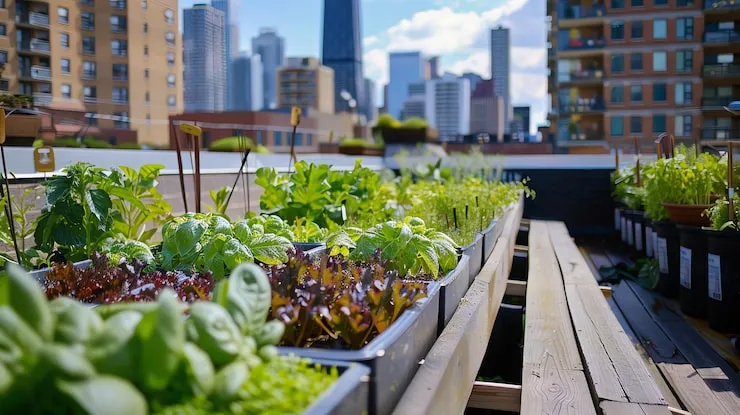
In today's fast-paced world, where urbanization is rapidly expanding, the concept of urban gardening has gained immense popularity.
More people are embracing the idea of growing their own food and creating green spaces within the hustle and bustle of city life. Whether you're living in a tiny apartment or have access to a small balcony, urban gardening offers a simple and fulfilling way to connect with nature while also promoting sustainability.
Urban gardening not only beautifies your living space but also allows you to grow fresh herbs, vegetables, and flowers right at home. In this blog, we’ll explore what urban gardening is, its benefits, and some practical tips to get started—even if you don’t have a backyard!
What Is Urban Gardening?
Urban gardening refers to growing plants, vegetables, herbs, and flowers within city spaces. This can include small apartment balconies, rooftops, windowsills, and even indoor areas. The key to urban gardening is making the most of limited space and using creative methods to grow your plants.
Urban gardens can range from small containers on a windowsill to more extensive rooftop gardens or community garden plots. The ultimate goal is to bring nature back into the city, promote sustainability, and create a personal green oasis in the middle of urban life.
Why Urban Gardening Is So Popular
There are plenty of reasons why urban gardening has become so popular in recent years:
1. Access to Fresh, Homegrown Produce
One of the biggest benefits of urban gardening is the ability to grow your own food. Growing your own herbs, vegetables, and fruits can be both rewarding and cost-effective. You’ll have access to fresh, organic produce right at your fingertips, reducing the need for trips to the grocery store.
2. Environmental Benefits
Urban gardening promotes sustainability and helps reduce your carbon footprint. By growing your own food, you cut down on food miles (the distance food travels from farm to plate). You also contribute to reducing air pollution and improving air quality by adding more plants to your environment.
3. Stress Relief and Improved Mental Health
Gardening is known to have therapeutic effects. Spending time with nature, even in a small urban setting, can help reduce stress, increase happiness, and improve mental clarity. Urban gardening provides a peaceful escape from the hustle of city life and allows you to disconnect from digital distractions.
4. Maximizing Small Spaces
In cities, space is often limited. Urban gardening allows you to make the most of the space you have, whether that’s a small balcony, a windowsill, or a rooftop. You can still create a lush garden, even in the smallest urban living environments.
5. Community Engagement
Urban gardening fosters community involvement, especially through shared spaces like community gardens. By participating in local gardening projects, you can meet like-minded people and promote environmental awareness within your neighborhood.
Types of Urban Gardening
Urban gardening can take many forms, depending on the available space and your gardening goals. Here are some popular types of urban gardening you can consider:
1. Container Gardening
Container gardening is one of the easiest ways to get started with urban gardening, especially if you live in an apartment with limited outdoor space. You can use various containers—like pots, window boxes, or even repurposed items like buckets and old jars—to grow plants.
What you can grow:
-
Herbs (basil, mint, parsley)
-
Small vegetables (tomatoes, lettuce, peppers)
-
Flowers (geraniums, marigolds, pansies)
Benefits of container gardening:
-
Requires minimal space
-
Easy to move around
-
Suitable for beginners
2. Vertical Gardening
Vertical gardening is a clever way to maximize space by growing plants upwards instead of outwards. You can install wall planters, use shelves, or create trellises to grow climbing plants and vegetables. Vertical gardening is perfect for small balconies or walls that get plenty of sunlight.
What you can grow:
-
Climbing beans
-
Peas
-
Tomatoes
-
Vining flowers (like sweet peas or morning glories)
Benefits of vertical gardening:
-
Maximizes limited space
-
Reduces the need for large containers
-
Adds visual interest to walls and fences
3. Hydroponic Gardening
Hydroponics is a method of growing plants without soil, using nutrient-rich water to nourish the plants. It’s ideal for those with limited space or who live in areas where soil quality is poor. Hydroponic systems can be set up indoors or outdoors and are often used to grow leafy greens, herbs, and other fast-growing plants.
What you can grow:
-
Lettuce
-
Spinach
-
Basil
-
Strawberries
Benefits of hydroponic gardening:
-
Uses less water than traditional gardening
-
Plants grow faster in hydroponic systems
-
Can be set up indoors or on balconies
4. Rooftop Gardens
If you have access to a rooftop, you can create an urban garden high above the city streets. Rooftop gardens are gaining popularity in urban areas due to the abundance of sunlight and the extra space available. A rooftop garden can support a variety of plants, from flowers to vegetables.
What you can grow:
-
Vegetables (tomatoes, cucumbers, kale)
-
Herbs (thyme, rosemary, oregano)
-
Flowers (lavender, sunflowers, tulips)
Benefits of rooftop gardening:
-
Reduces urban heat island effect
-
Provides a private outdoor space
-
Offers panoramic city views
5. Community Gardens
If you don’t have the space to garden at home, consider joining a community garden. Many urban areas have plots of land where individuals can rent space to grow their own plants. Community gardens are a great way to meet people, share knowledge, and have access to more growing space than what’s available at home.
What you can grow:
-
Almost anything! (Vegetables, fruits, flowers, herbs)
Benefits of community gardens:
-
Larger growing area
-
Opportunities for socializing
-
Access to shared tools and resources
Getting Started with Urban Gardening: Tips for Beginners
Starting an urban garden doesn’t have to be difficult. Here are a few simple tips to help you get going:
1. Assess Your Space
Take a good look at the space you have available. Is it sunny or shaded? How much room do you have? Understanding your space will help you choose the right plants and gardening method.
2. Choose the Right Plants
Start with easy-to-grow plants that are well-suited for urban environments. Herbs like basil, mint, and parsley are great for beginners, as are small vegetables like lettuce and radishes.
3. Use Quality Soil
Even if you’re using containers or hydroponic systems, good quality soil or growing medium is essential for healthy plants. Make sure you use soil with the right nutrients and drainage properties.
4. Watering and Maintenance
Keep a consistent watering schedule, but avoid over-watering your plants. Many plants in urban gardens prefer to dry out a bit between waterings. Also, remove dead leaves and spent flowers to encourage new growth.
5. Start Small
If you’re new to gardening, don’t overwhelm yourself by starting with too many plants. Start small and gradually expand your garden as you gain experience and confidence.
Conclusion: Bringing Nature to the City
Urban gardening is more than just a trend—it’s a way to connect with nature, reduce your environmental impact, and enjoy the rewards of homegrown food.
Whether you’re growing herbs on a windowsill, setting up a hydroponic system in your apartment, or starting a community garden, urban gardening can be a fulfilling and sustainable way to bring the outdoors into your urban life.
With the right tools, some creative thinking, and a little patience, you can transform any space into a thriving garden. So, why not get started today and see how gardening can make your urban lifestyle greener, healthier, and more enjoyable?